What This Document Is
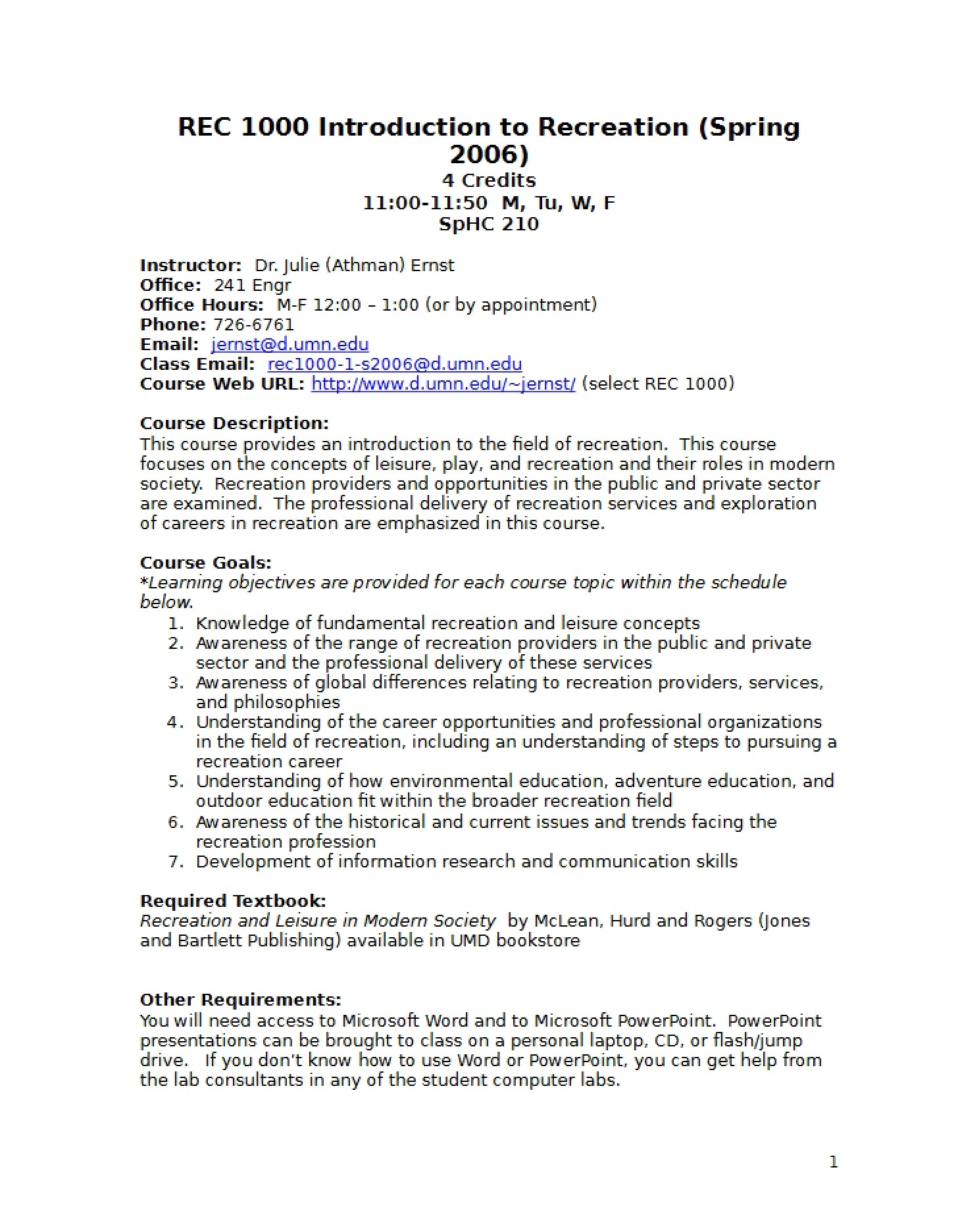
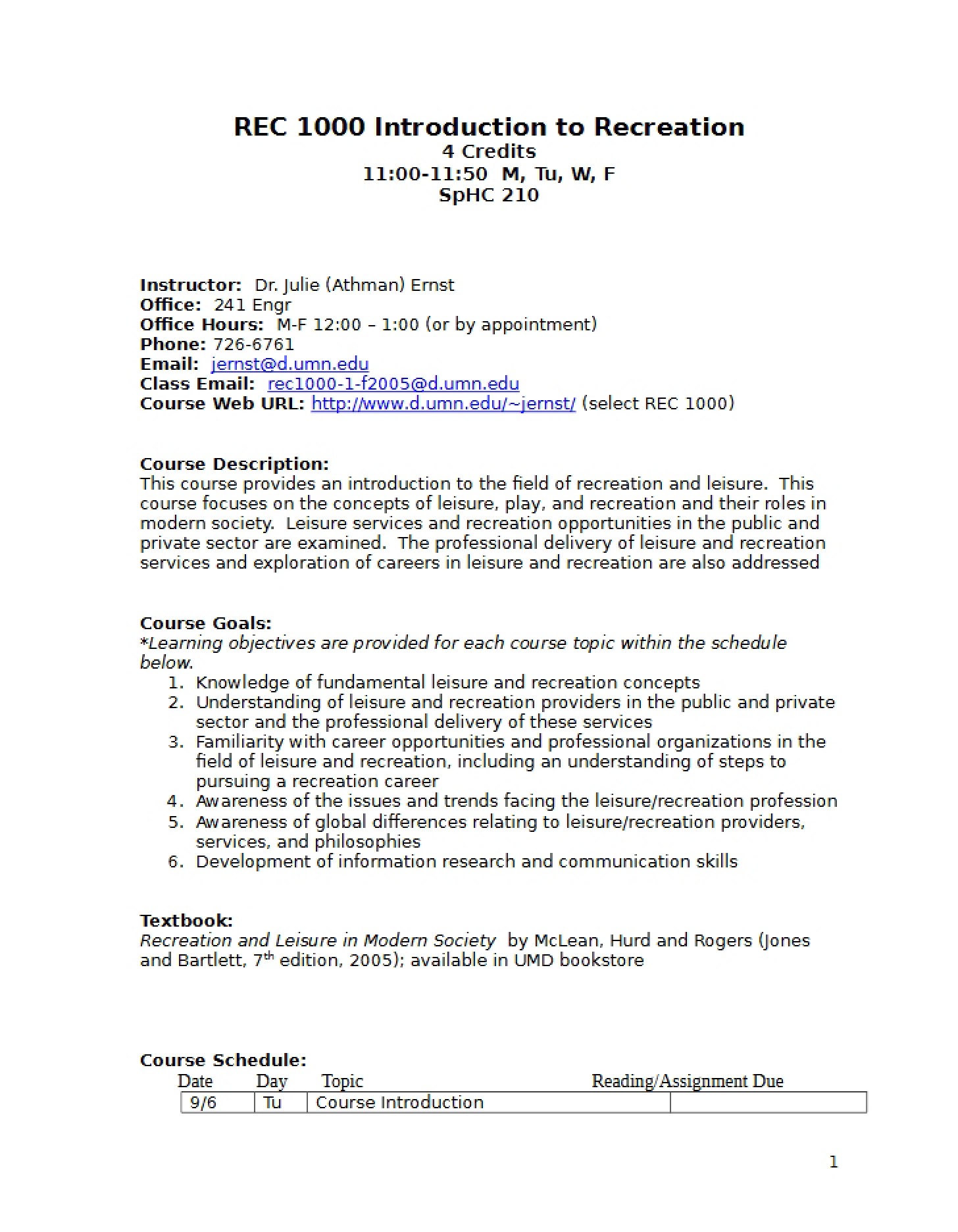
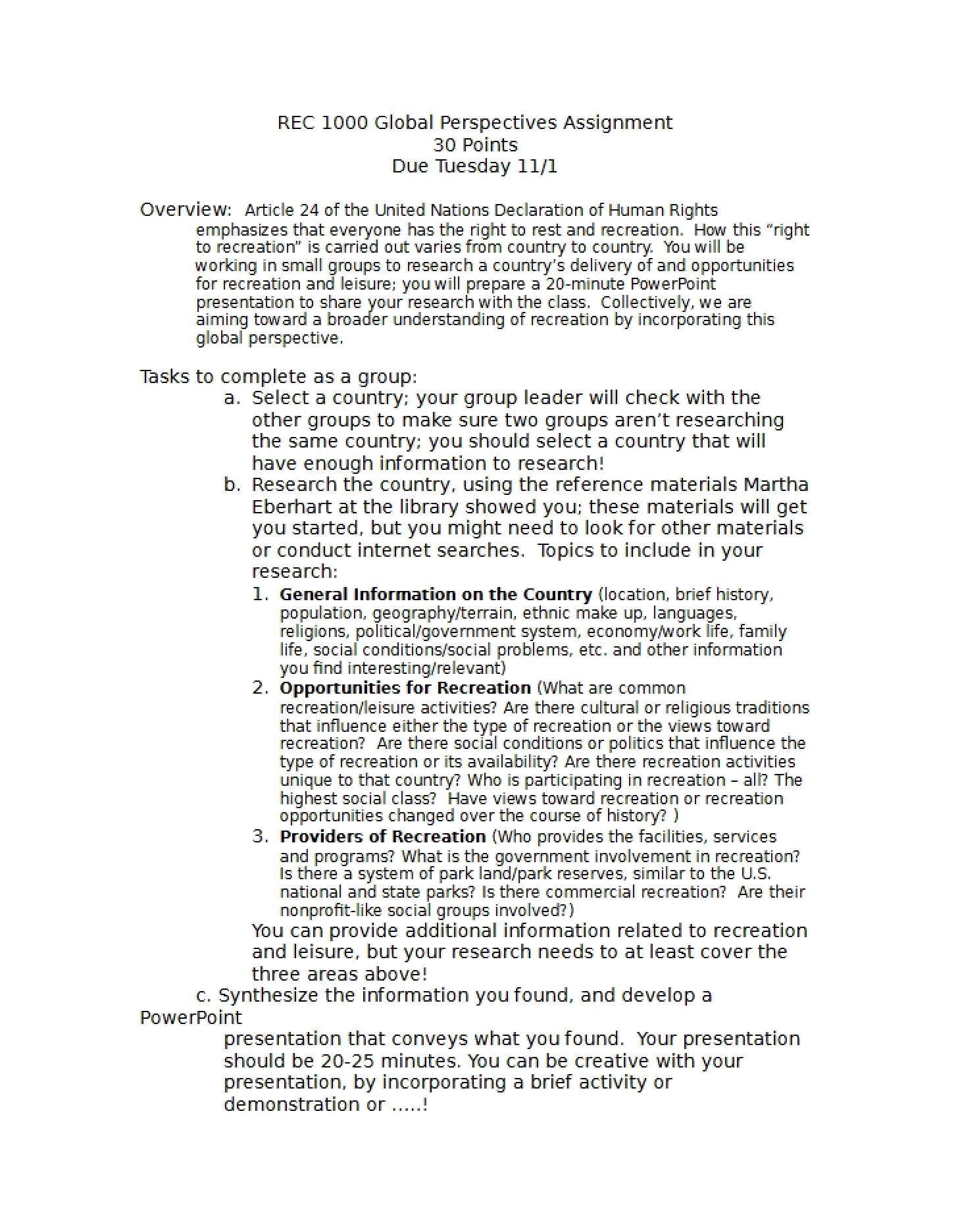
This document presents a personal exploration of recreation philosophy, crafted as a student assignment for an introductory recreation course (REC 1000) at the University of Minnesota Twin Cities. It delves into the individual’s understanding of what recreation *is*, its inherent values, and its potential impact on personal growth and community well-being. It’s a reflective piece, examining the connection between personal experiences and broader theoretical concepts within the field of recreation. The work considers the ethical responsibilities tied to providing recreational services and the importance of resource management.
Why This Document Matters
This exploration is particularly valuable for students new to the field of recreation and leisure studies. It serves as an excellent example of how to articulate a personal philosophy, a foundational skill for professionals in this area. Anyone grappling with defining their own approach to recreation, or seeking inspiration for developing a professional ethos, will find this insightful. It’s especially useful when beginning coursework focused on the theoretical underpinnings of recreation, program planning, or leadership in recreational settings. Understanding diverse perspectives on recreation’s purpose is crucial for success in the field.
Common Limitations or Challenges
This document represents *one* individual’s perspective. It does not offer a comprehensive overview of all recreation philosophies, nor does it present a definitive “correct” answer. It’s a starting point for thought, not a complete textbook. It focuses on personal reflection and doesn’t include detailed research or empirical data. It also doesn’t provide practical “how-to” guides for implementing recreational programs or managing facilities.
What This Document Provides
* A personal narrative connecting early experiences to the development of a recreation philosophy.
* Consideration of core values relevant to the recreation field, such as preservation, freedom of choice, and personal growth.
* Reflection on the ethical responsibilities of recreation professionals.
* Thoughts on the importance of inclusivity and positive relationships within recreation organizations.
* An exploration of preferred target demographics for recreation service delivery.