What This Document Is
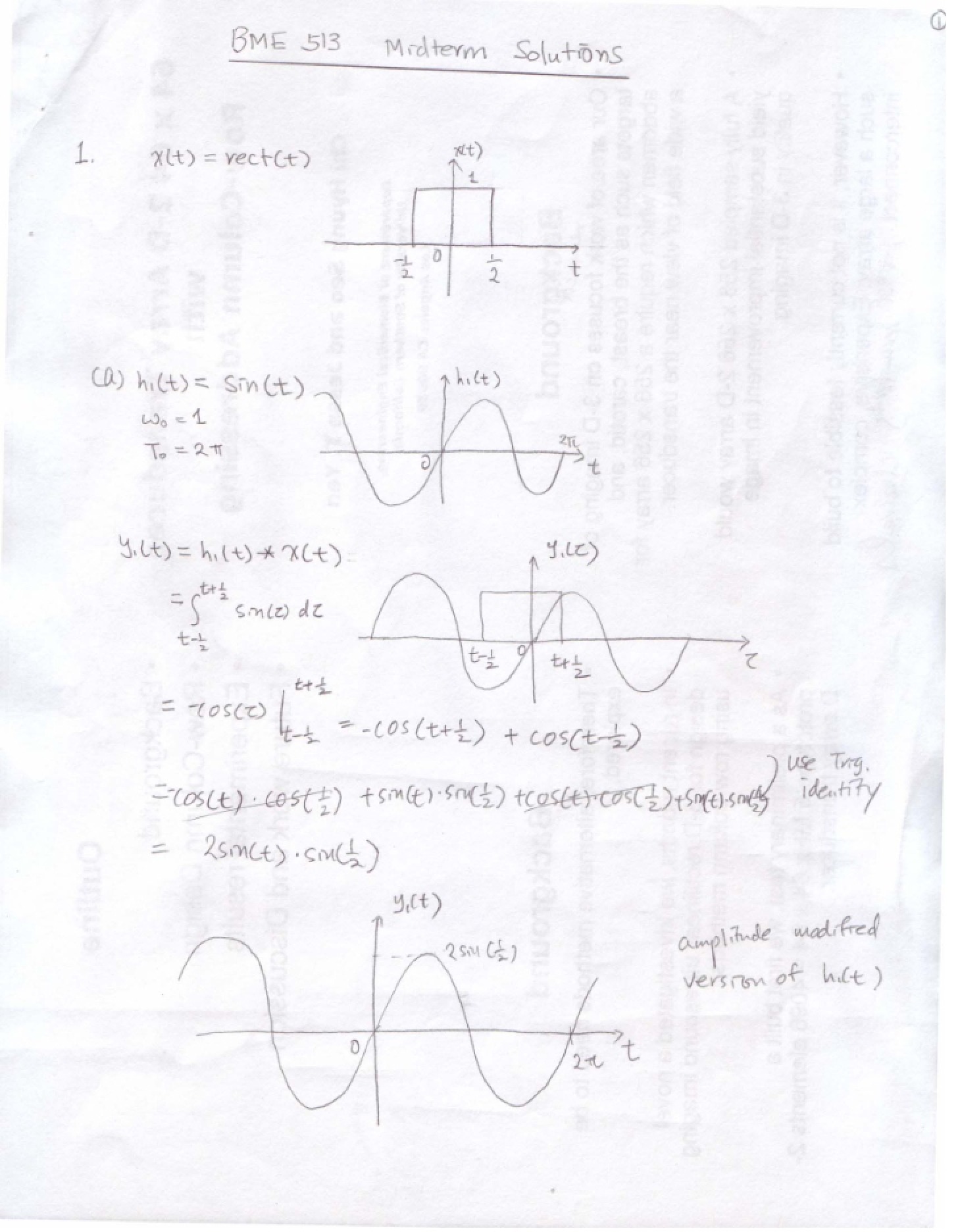
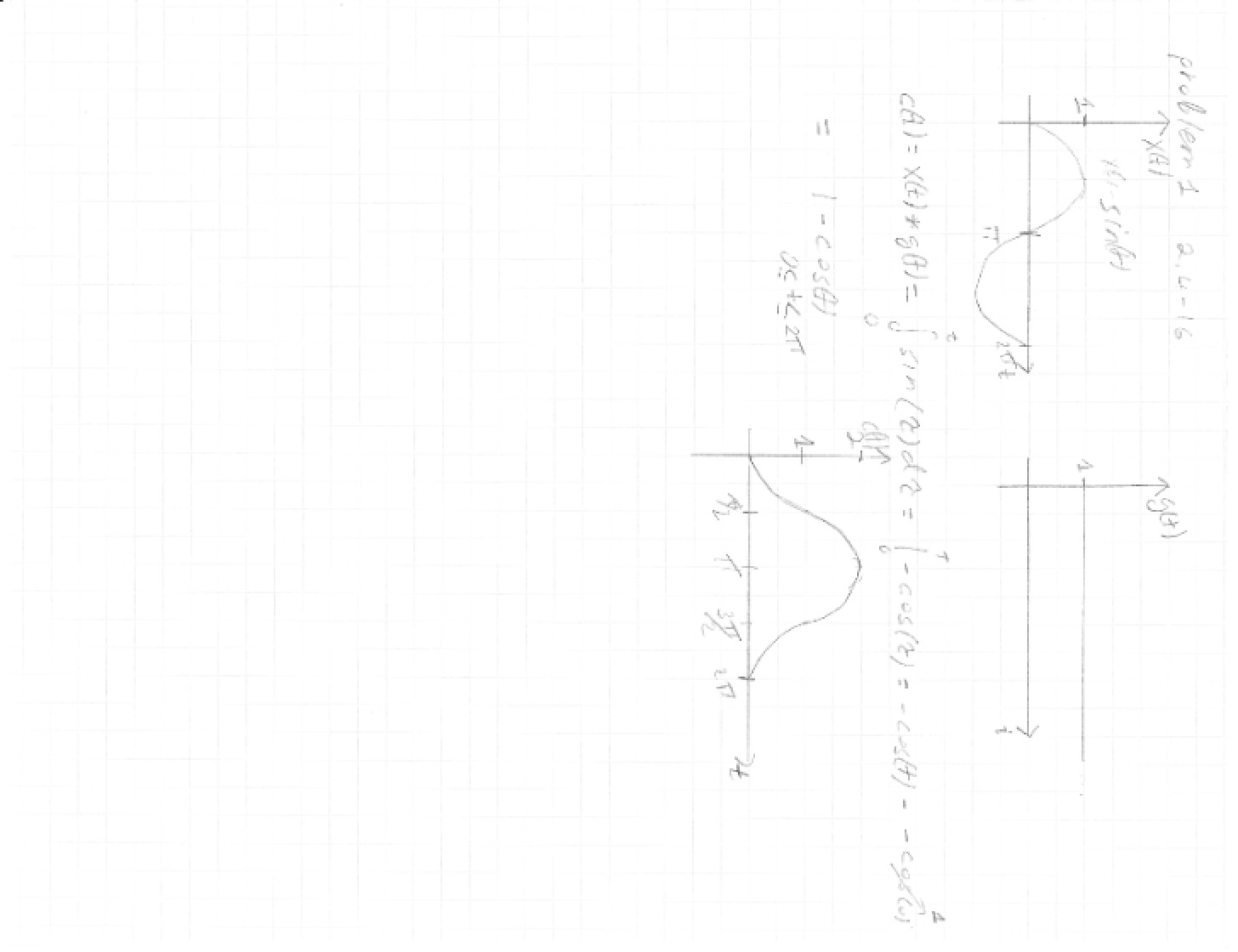
This study guide provides detailed worked solutions for the first homework assignment in BME 513: Signal and Systems Analysis at the University of Southern California. It focuses on foundational concepts within the course, specifically exploring the mathematical representation and properties of signals and linear time-invariant (LTI) systems. The material builds upon introductory signal theory and delves into techniques for analyzing system responses.
Why This Document Matters
This resource is invaluable for students enrolled in BME 513 who are seeking to solidify their understanding of core signal and systems principles. It’s particularly helpful when reviewing challenging problems after independent work, identifying areas of weakness, and confirming the correct application of theoretical concepts. Students preparing for quizzes or exams covering these foundational topics will also find this a useful study aid. It’s best utilized *after* a genuine attempt has been made to solve the problems independently, as passively reviewing solutions without prior effort can hinder learning.
Common Limitations or Challenges
This guide focuses *exclusively* on the solutions to Homework One. It does not offer comprehensive explanations of the underlying theory, nor does it cover topics beyond those addressed in the assignment. It assumes a baseline understanding of signal and system definitions as presented in lectures and the course textbook. Furthermore, while the solutions demonstrate correct methodologies, they do not provide alternative approaches or detailed derivations of every step – the intention is to clarify the solution process, not to replace active problem-solving.
What This Document Provides
* Detailed step-by-step solutions for each problem on Homework One.
* Illustrative examples demonstrating the application of signal manipulation techniques.
* Clarification of concepts related to time-domain analysis of LTI systems.
* Worked examples involving system response to various input signals.
* Insights into common pitfalls and areas where students often encounter difficulties.
* Application of concepts like time shifting and system linearity.