What This Document Is
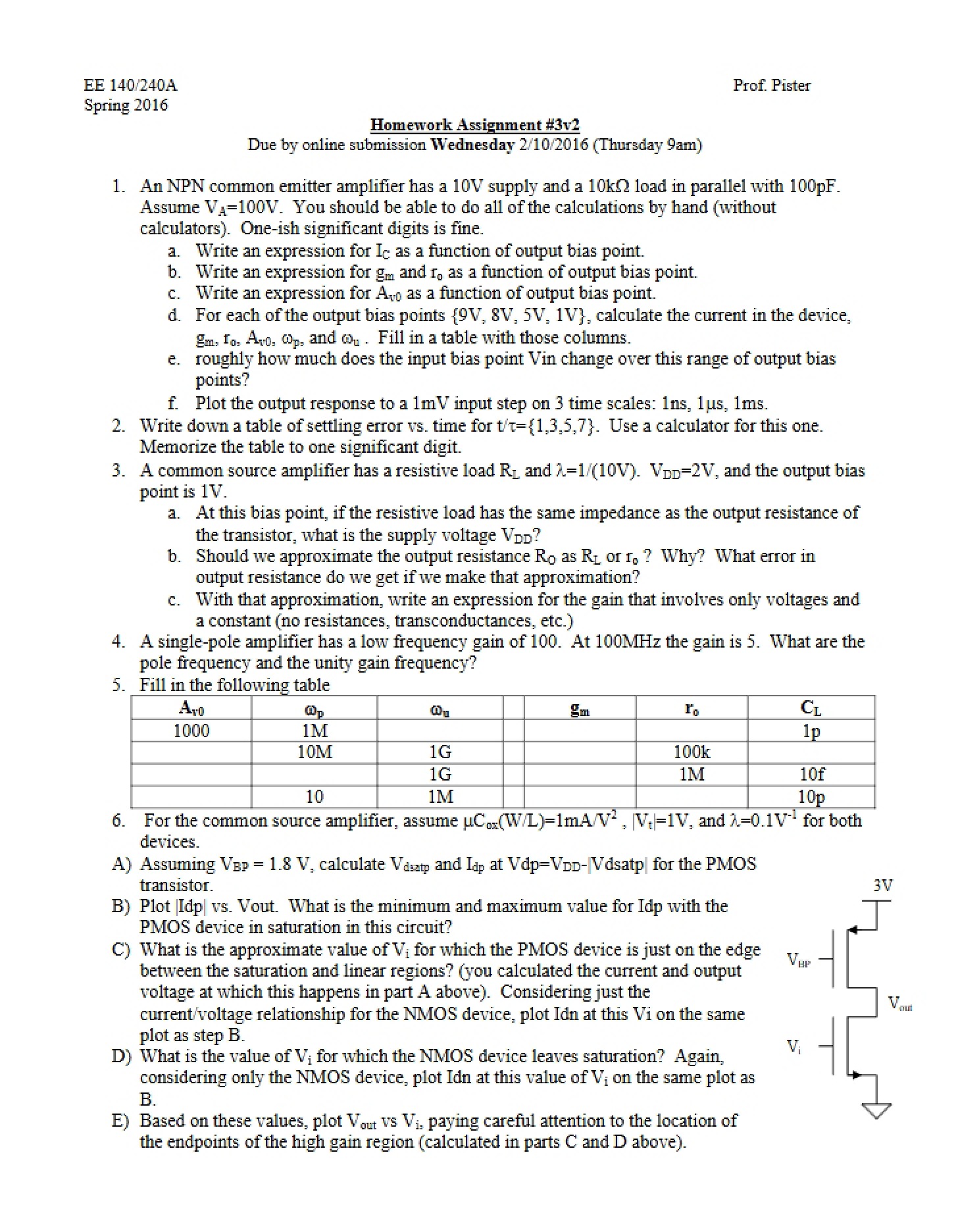
This is a homework task for EE 140, Analog Integrated Circuits, at the University of California, Berkeley. It centers around the practical application and analysis of operational amplifiers (op-amps), specifically focusing on a commonly used integrated circuit family. The assignment requires a detailed understanding of op-amp characteristics and their behavior within circuits. It appears to involve calculations and potentially circuit design considerations related to single and dual supply configurations.
Why This Document Matters
This assignment is crucial for students enrolled in an analog circuit design course. Successfully completing this task will reinforce your understanding of fundamental op-amp principles and prepare you for more advanced circuit analysis and design challenges. It’s particularly valuable when you’re beginning to translate theoretical knowledge into practical circuit implementations, and for solidifying your ability to interpret datasheets and apply component specifications. This will be beneficial during lab sessions and future coursework.
Topics Covered
* Operational Amplifier (Op-Amp) Fundamentals
* Single and Split Supply Operation
* Op-Amp Parameter Analysis (e.g., gain, input bias current)
* Circuit Analysis Techniques
* Component Selection and Application
* Understanding Integrated Circuit Datasheets
* Transistor-level considerations within Op-Amps
What This Document Provides
* Detailed specifications for a specific family of operational amplifiers.
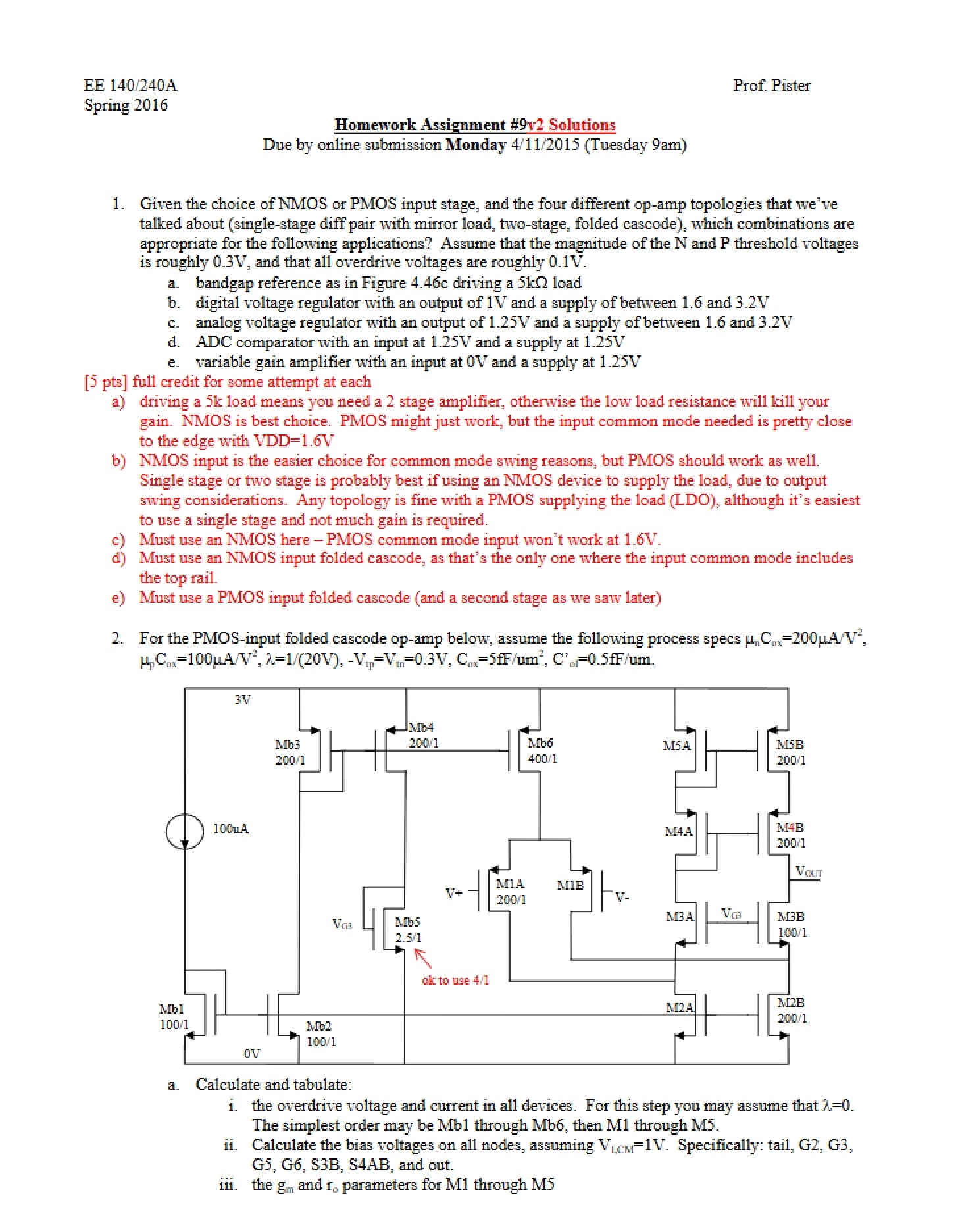
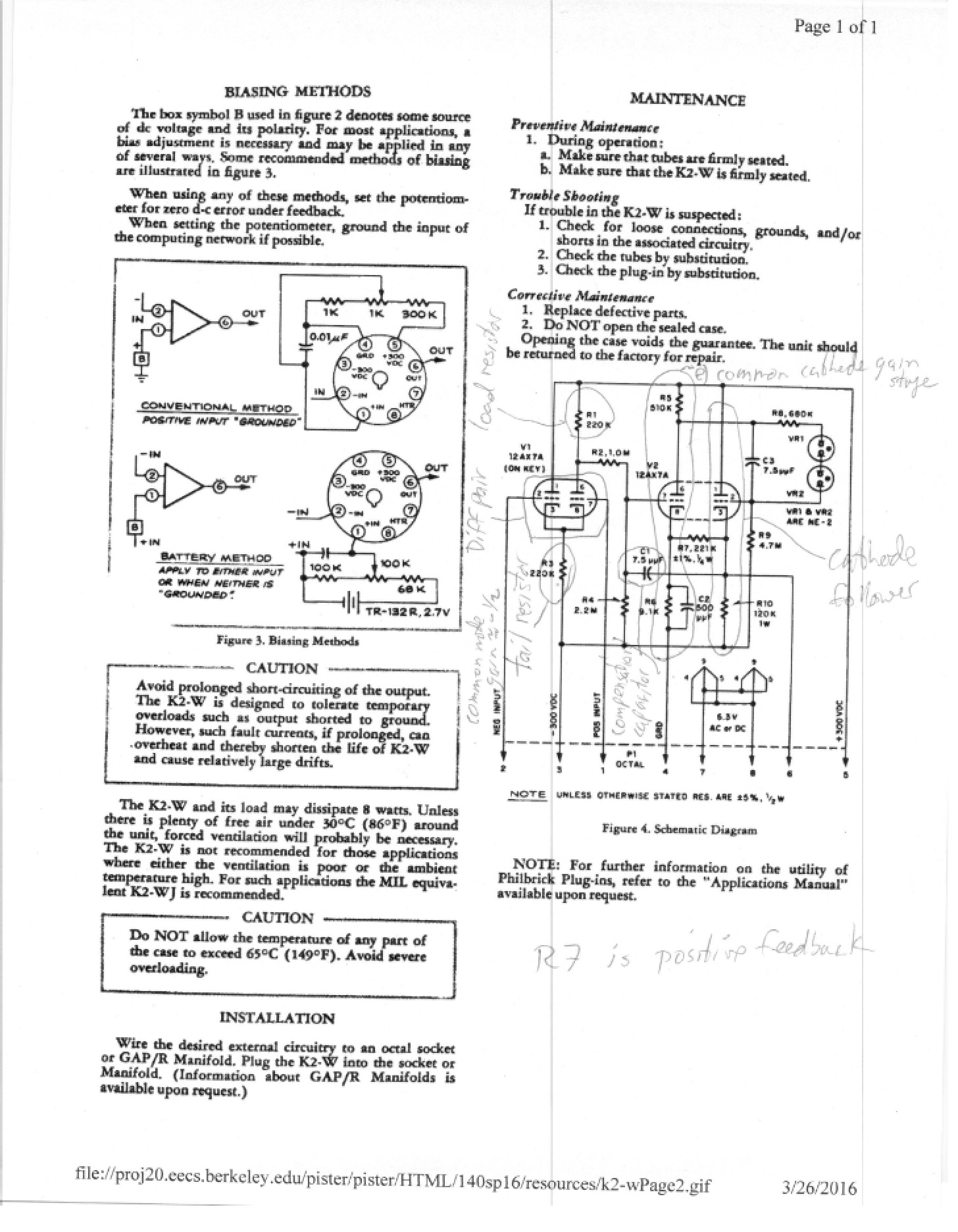
* A functional block diagram illustrating the internal structure of the op-amp.
* Key parameters and characteristics relevant to circuit design.
* References to related product documentation.
* A foundation for applying theoretical concepts to real-world circuit problems.
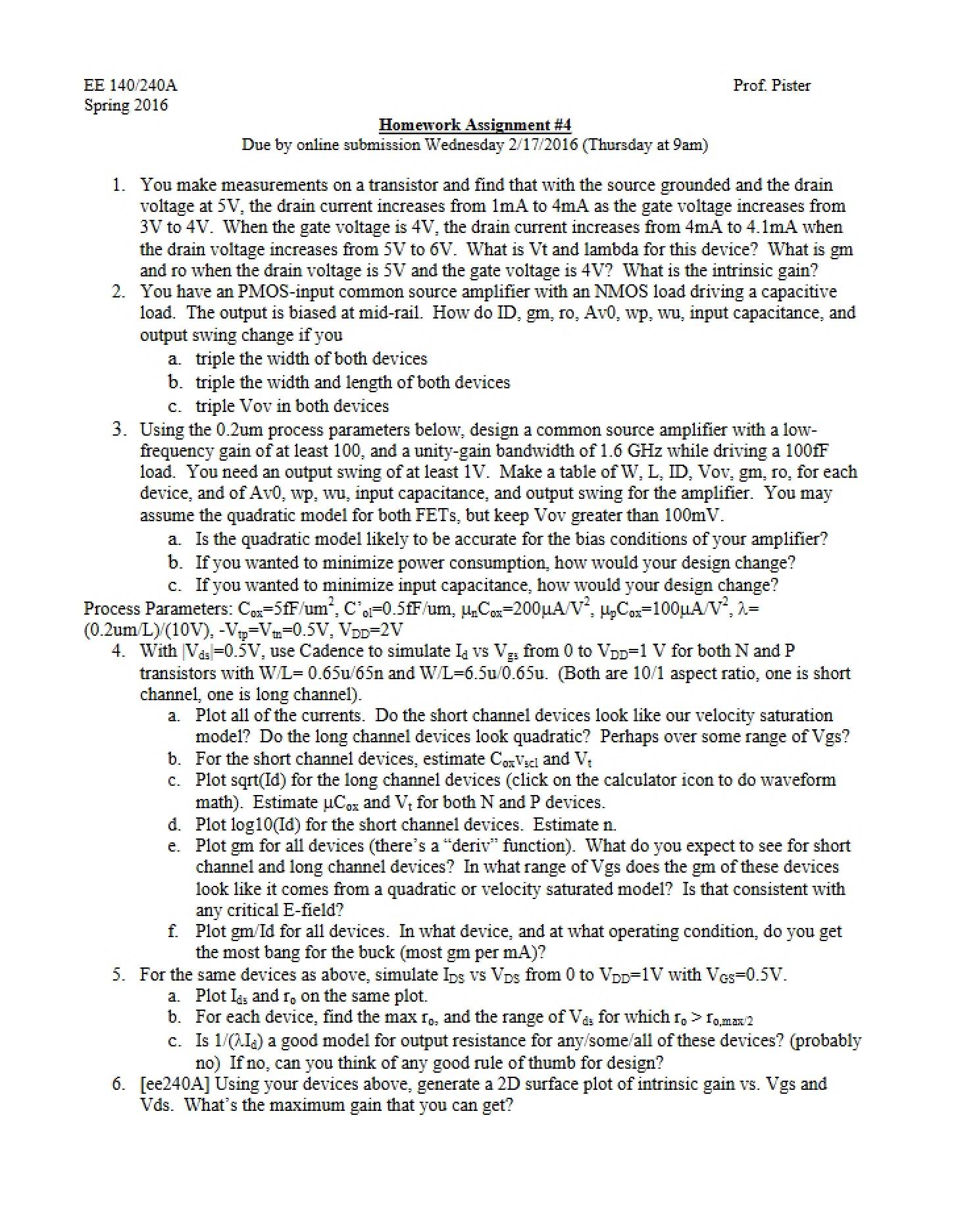
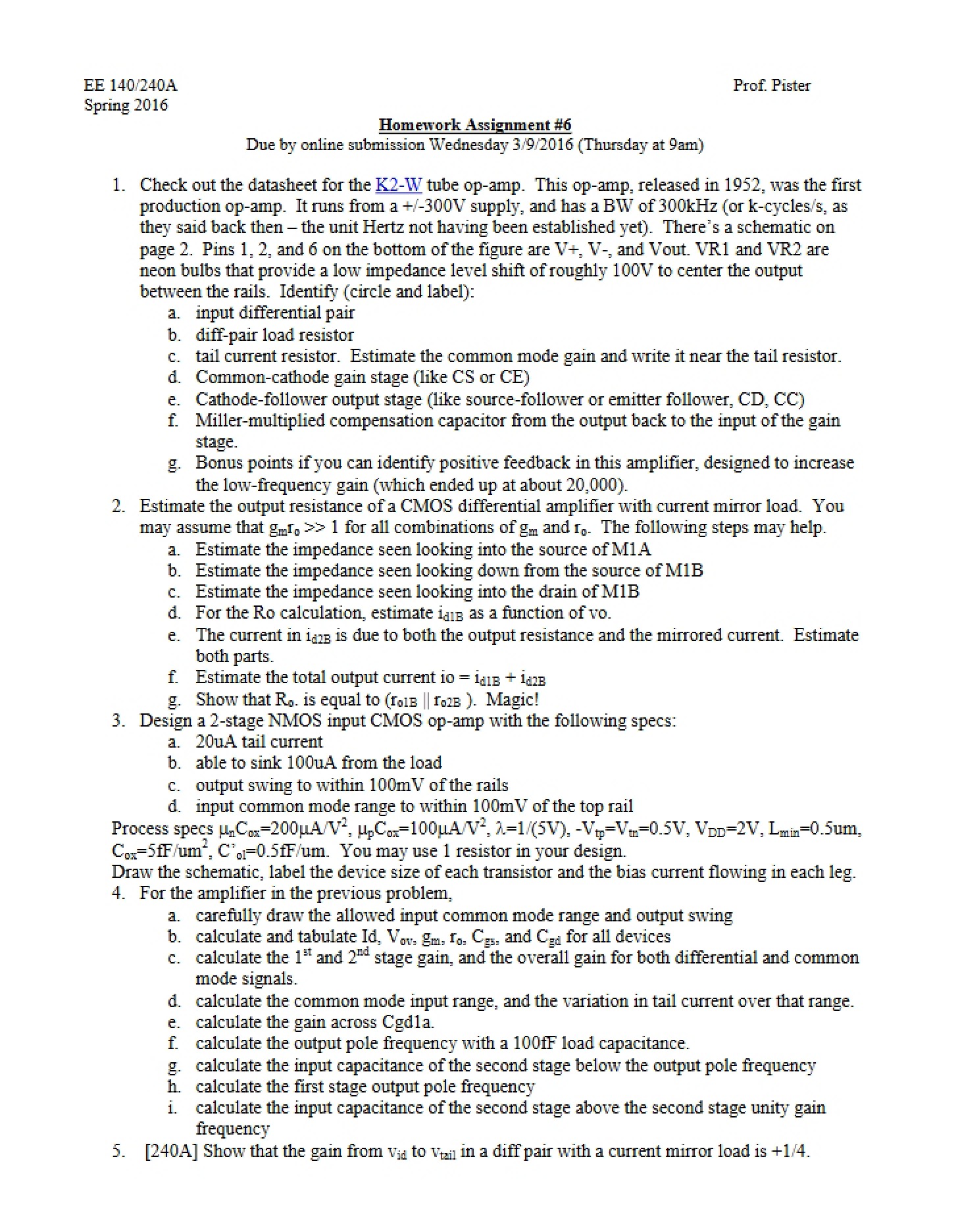
* A set of challenges designed to test your understanding of op-amp behavior.