What This Document Is
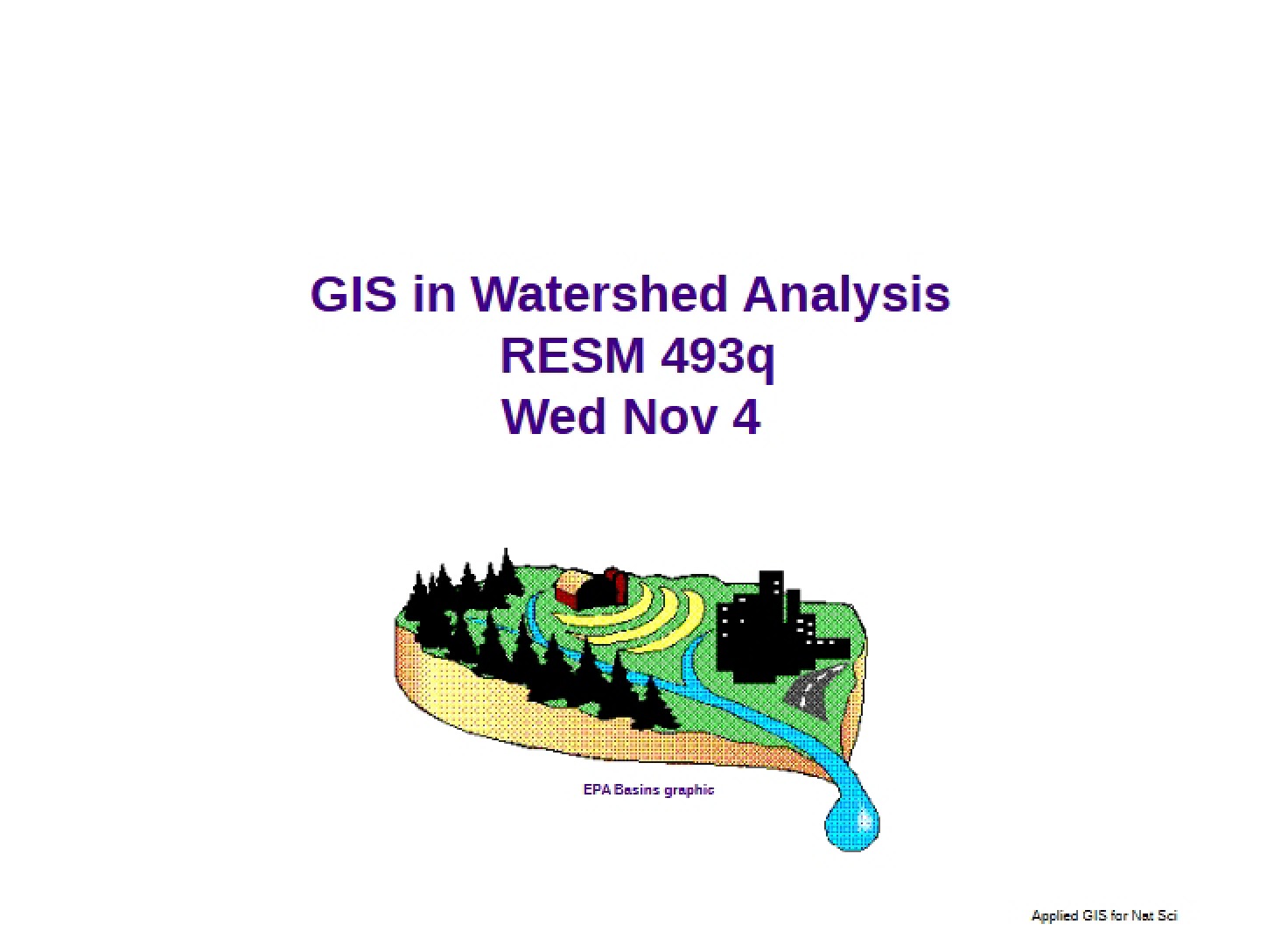
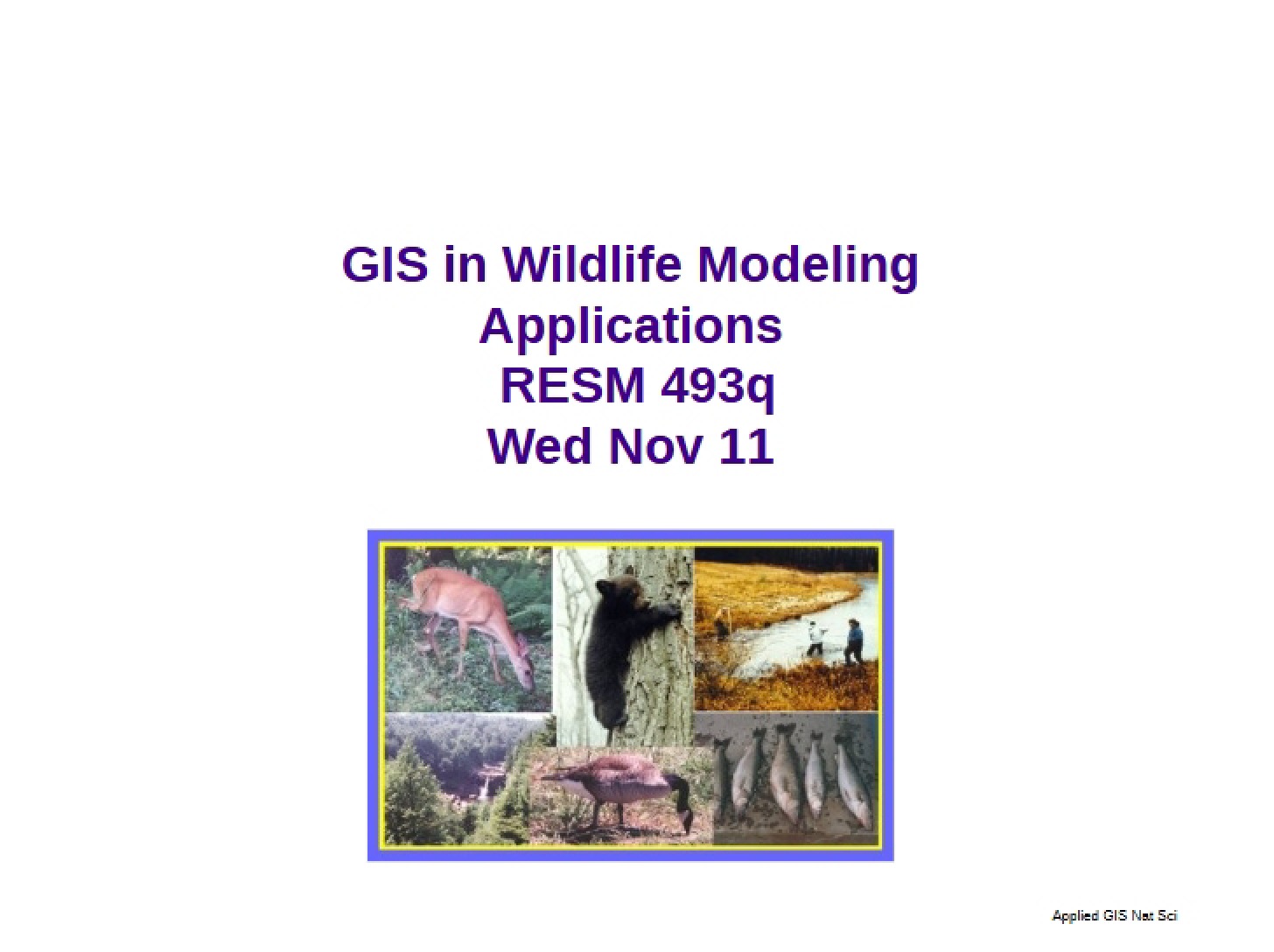
This resource is a set of lecture materials exploring the intersection of Landscape Ecology and Geographic Information Systems (GIS). It delves into how GIS technologies are applied to understand ecological patterns and processes across various landscapes. The content appears to be geared towards advanced undergraduate or graduate-level study, likely within a natural resources, environmental science, or geography program. It focuses on the conceptual underpinnings of landscape ecology and the practical application of GIS tools for regional-scale environmental assessments.
Why This Document Matters
Students enrolled in courses focused on landscape ecology, GIS applications in environmental science, or spatial ecology will find this material particularly valuable. It’s also beneficial for anyone preparing to conduct research involving landscape-level ecological analysis or regional environmental monitoring. Professionals in fields like conservation planning, land management, and environmental consulting could use this to refresh their understanding of core concepts and methodologies. This resource is most helpful when you need a solid foundation in applying spatial analysis to ecological questions.
Common Limitations or Challenges
This material presents concepts and frameworks; it does *not* offer step-by-step tutorials for specific GIS software packages. While it references real-world examples of landscape assessments, it doesn’t provide the raw data or detailed methodologies used in those studies. It’s designed to build understanding, not to provide immediately replicable results. Furthermore, it focuses on theoretical and conceptual aspects and doesn’t include hands-on exercises or practice datasets.
What This Document Provides
* An overview of the core principles of landscape ecology.
* Discussion of how landscapes are defined and characterized from an ecological perspective.
* Exploration of the role of spatial patterns in influencing ecological processes.
* Examination of key ecological concepts like keystone and umbrella species within a landscape context.
* Insight into regional assessment techniques and the use of landscape atlases.
* Consideration of factors impacting landscape health, such as invasive species and resource extraction.