What This Document Is
These notes delve into the practical application of signal and systems analysis techniques specifically within the context of Magnetic Resonance Imaging (MRI). This resource focuses on the mathematical foundations underpinning MRI image formation, exploring how signals are processed to create visual representations of internal structures. It appears to be a hands-on exploration, likely based on a computational assignment, utilizing code to demonstrate key concepts. The material centers around the Fourier transform and its role in understanding spatial frequencies within MRI data.
Why This Document Matters
This material is invaluable for Biomedical Engineering (BME) students, particularly those enrolled in a Signal and Systems Analysis course (like USC’s BME 513). It’s designed for students seeking to bridge the gap between theoretical concepts and real-world applications. Those struggling to visualize how Fourier transforms relate to image reconstruction, or needing a concrete example of signal processing in a medical imaging modality, will find this particularly helpful. It’s best used as a supplement to lectures and textbooks, offering a practical perspective on the principles discussed in class.
Common Limitations or Challenges
This resource does *not* provide a comprehensive introduction to MRI physics or clinical applications. It assumes a foundational understanding of signal processing, Fourier transforms, and basic programming concepts (likely MATLAB). It doesn’t cover the intricacies of pulse sequence design, contrast mechanisms, or image artifacts. Furthermore, it focuses on a specific computational exercise and doesn’t represent a complete overview of all MRI reconstruction techniques. It is not a substitute for a full textbook or course on medical imaging.
What This Document Provides
* Exploration of MRI image data representation.
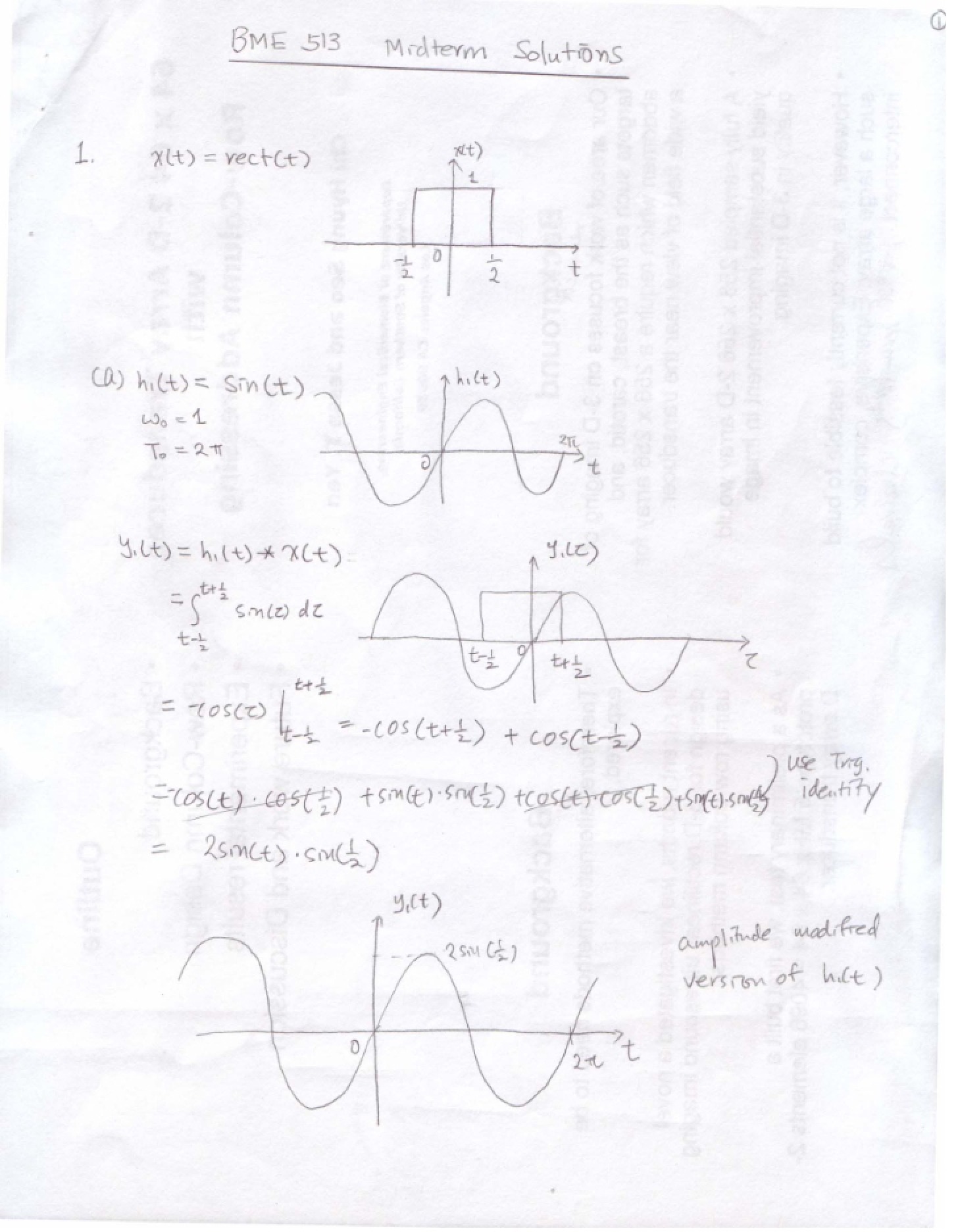
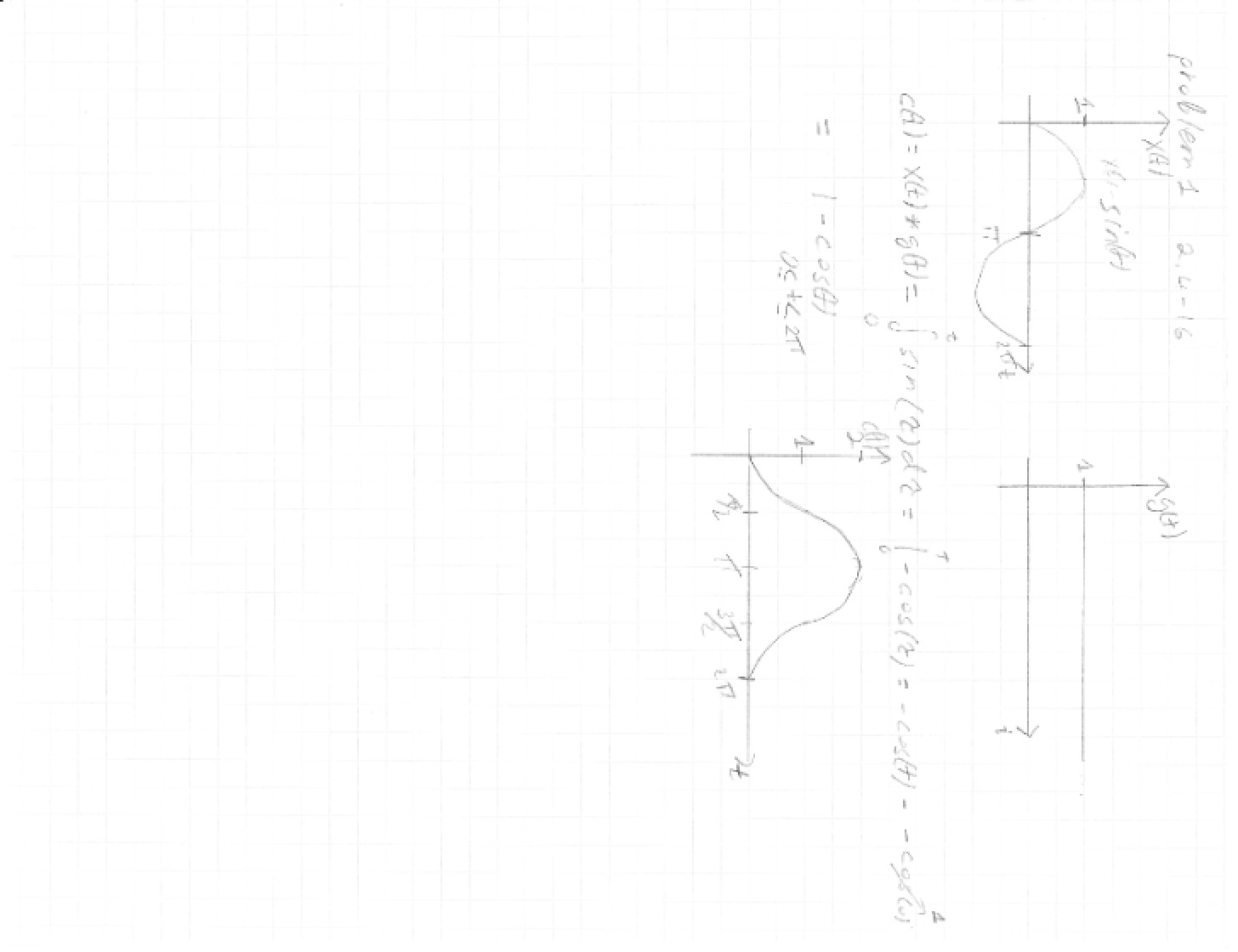
* Implementation of the Fourier Transform and its inverse in the context of MRI.
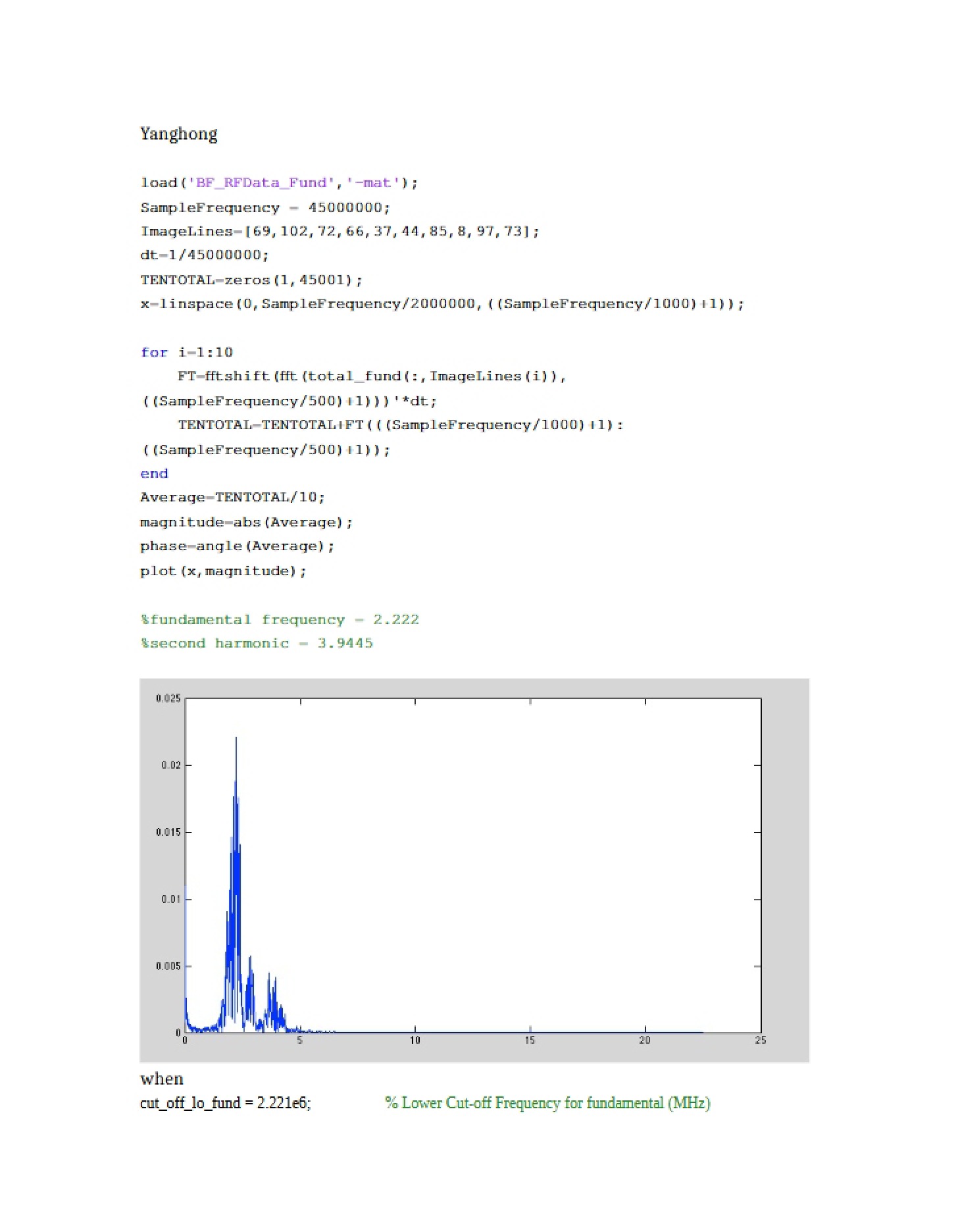
* Analysis of spatial frequency components within MRI images.
* Demonstration of techniques for manipulating and filtering data in the frequency domain.
* Visualizations illustrating the effects of different processing steps on image characteristics.
* Code examples relating to signal processing in two dimensions.
* Investigations into the impact of specific frequency components on image reconstruction.