What This Document Is
This study guide provides a broad overview of several core subfields within the discipline of Psychology, as explored in an introductory-level course. It delves into the key areas of focus within Industrial-Organizational Psychology, Social Psychology, Personality Psychology, and Quantitative Psychology, alongside explorations into specialized areas like Environmental Psychology. This material is designed to complement lectures and textbook readings, offering a structured look at the diverse landscape of psychological study.
Why This Document Matters
This resource is particularly valuable for students in an introductory Psychology course—like PSYC 100 at the University of Illinois at Urbana-Champaign—who are seeking a consolidated understanding of the major perspectives within the field. It’s ideal for use during week three of the course, as it appears to cover material introduced around that time. Students preparing for quizzes or exams, or those needing to review foundational concepts, will find this guide a helpful tool. It’s also beneficial for anyone wanting to grasp the breadth of psychological inquiry before committing to a specific area of specialization.
Common Limitations or Challenges
This guide is intended as a supplementary resource and does *not* replace the need for attending lectures, completing assigned readings, or engaging with the full course curriculum. It offers a high-level overview and does not provide in-depth analysis, detailed research findings, or specific experimental methodologies. It also doesn’t include practice questions or assessments to test your understanding. Access to the full material is required for a complete grasp of the concepts.
What This Document Provides
* An exploration of the core focuses within Industrial-Organizational Psychology.
* An outline of the different levels of analysis used in Social Psychology.
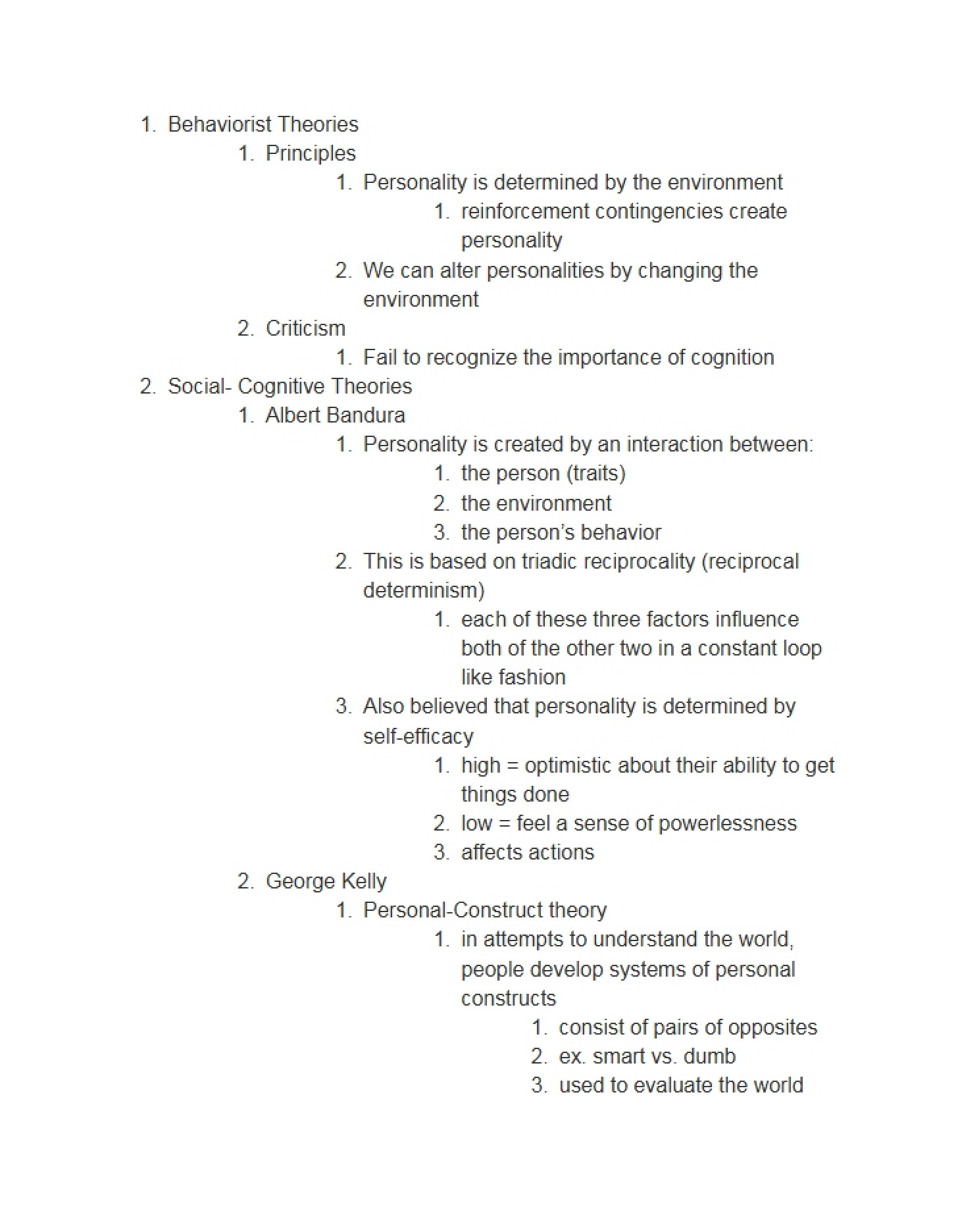
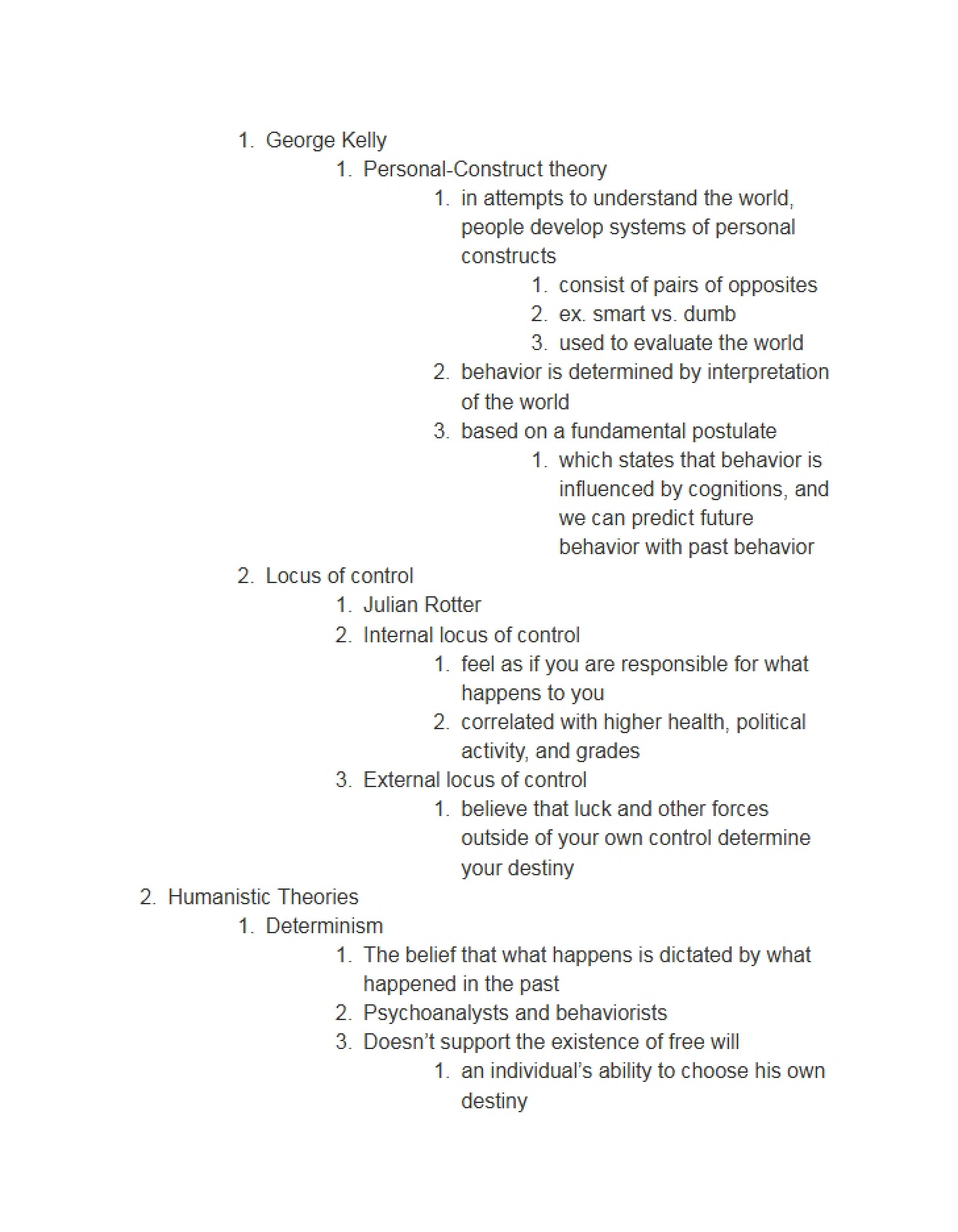
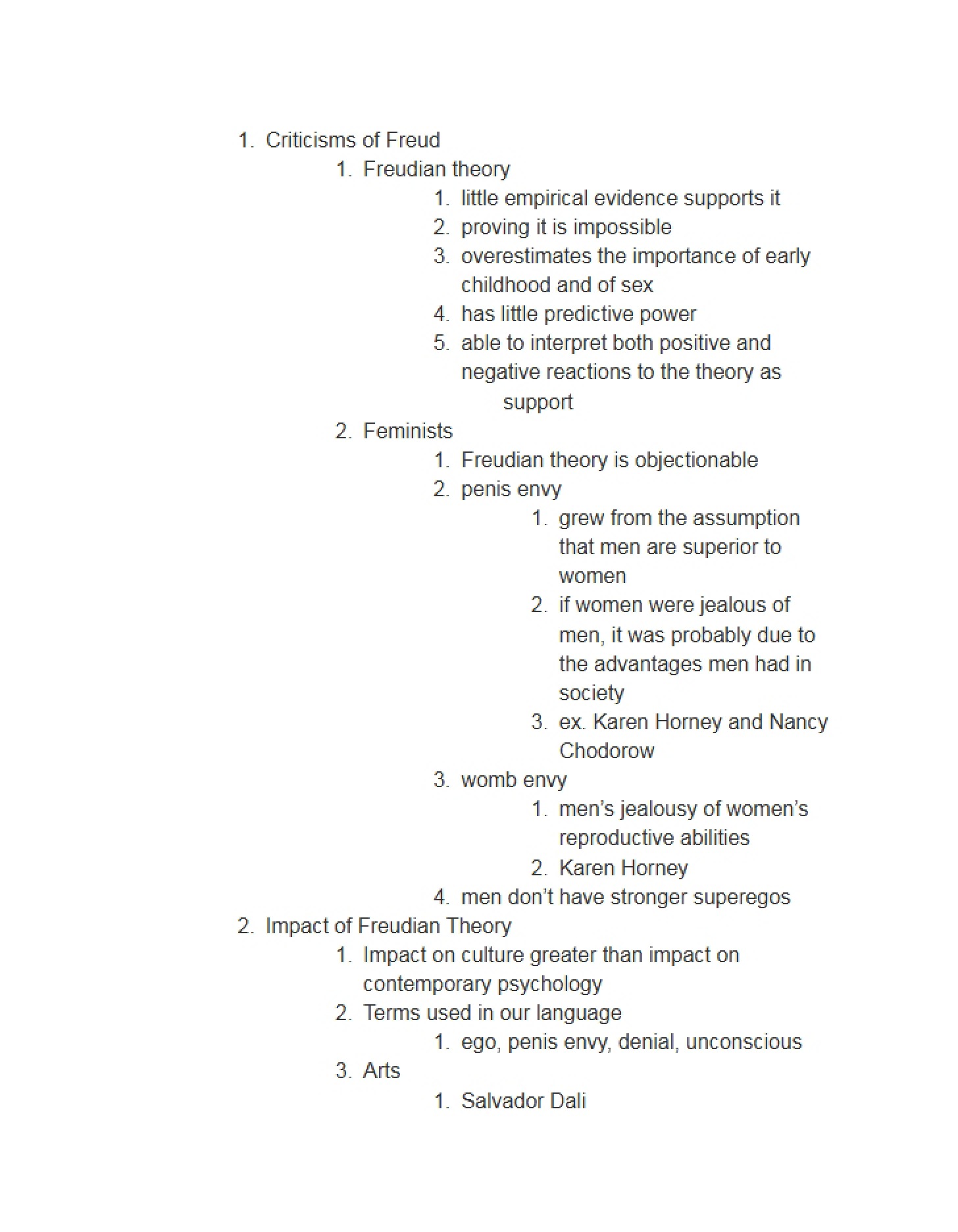
* A discussion of the central themes in Personality Psychology.
* An overview of the two main branches of Quantitative Psychology.
* An introduction to the scope of Environmental Psychology and its applications.
* Considerations of how psychological principles apply to various real-world contexts.