What This Document Is
This study guide provides detailed worked solutions to a problem set for Thermodynamics (ME 300) at the University of Illinois at Urbana-Champaign. Specifically, it focuses on the first set of assigned problems, offering a comprehensive breakdown of the approaches used to tackle various engineering calculations. The material centers around foundational concepts in unit conversions, properties of substances, and applying fundamental principles like Newton’s Second Law.
Why This Document Matters
This resource is invaluable for students enrolled in a rigorous Thermodynamics course. It’s particularly helpful when you’re looking to solidify your understanding of problem-solving methodologies, check your own work, or gain insight into how to approach complex engineering problems. It’s best used *after* you’ve attempted the problems yourself, as a tool to compare your approach and identify areas where you might be struggling. Students preparing for quizzes or exams on these core concepts will find this especially beneficial.
Common Limitations or Challenges
This guide focuses *solely* on the solutions to the specified problem set. It does not provide a re-explanation of the core thermodynamic principles themselves, nor does it cover background theory. It assumes you have a foundational understanding of the course material and are seeking assistance with applying those concepts. It also doesn’t offer alternative solution methods – it presents one detailed approach for each problem.
What This Document Provides
* Detailed step-by-step breakdowns of problem-solving strategies.
* Applications of unit conversion techniques across various systems.
* Illustrations of how to determine mass and molecular quantities from given data.
* Examples of applying Newton’s Second Law in engineering contexts.
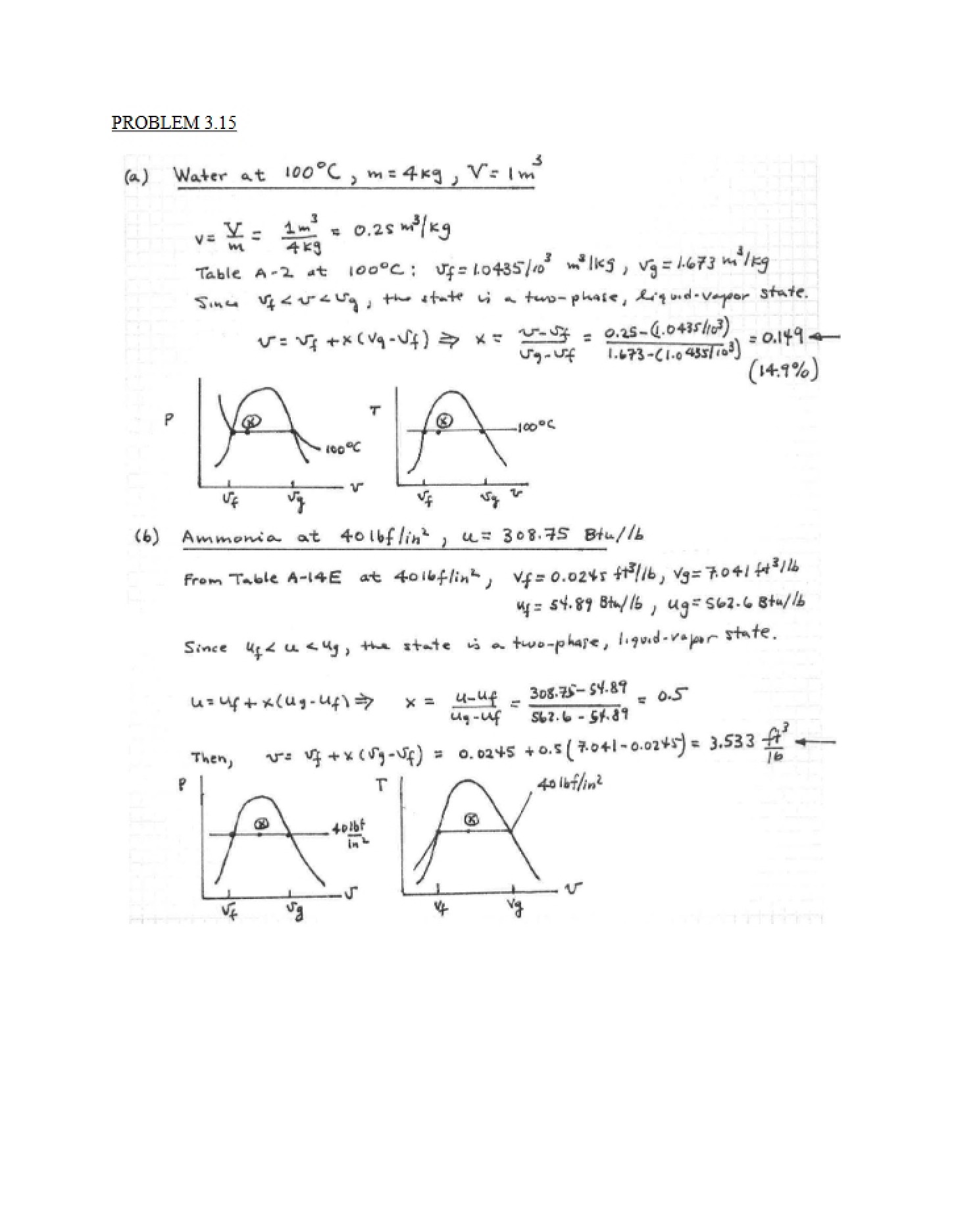
* Worked examples involving properties of different substances (air, water vapor, Freon).
* Problem setups involving gravitational force and weight calculations.