What This Document Is
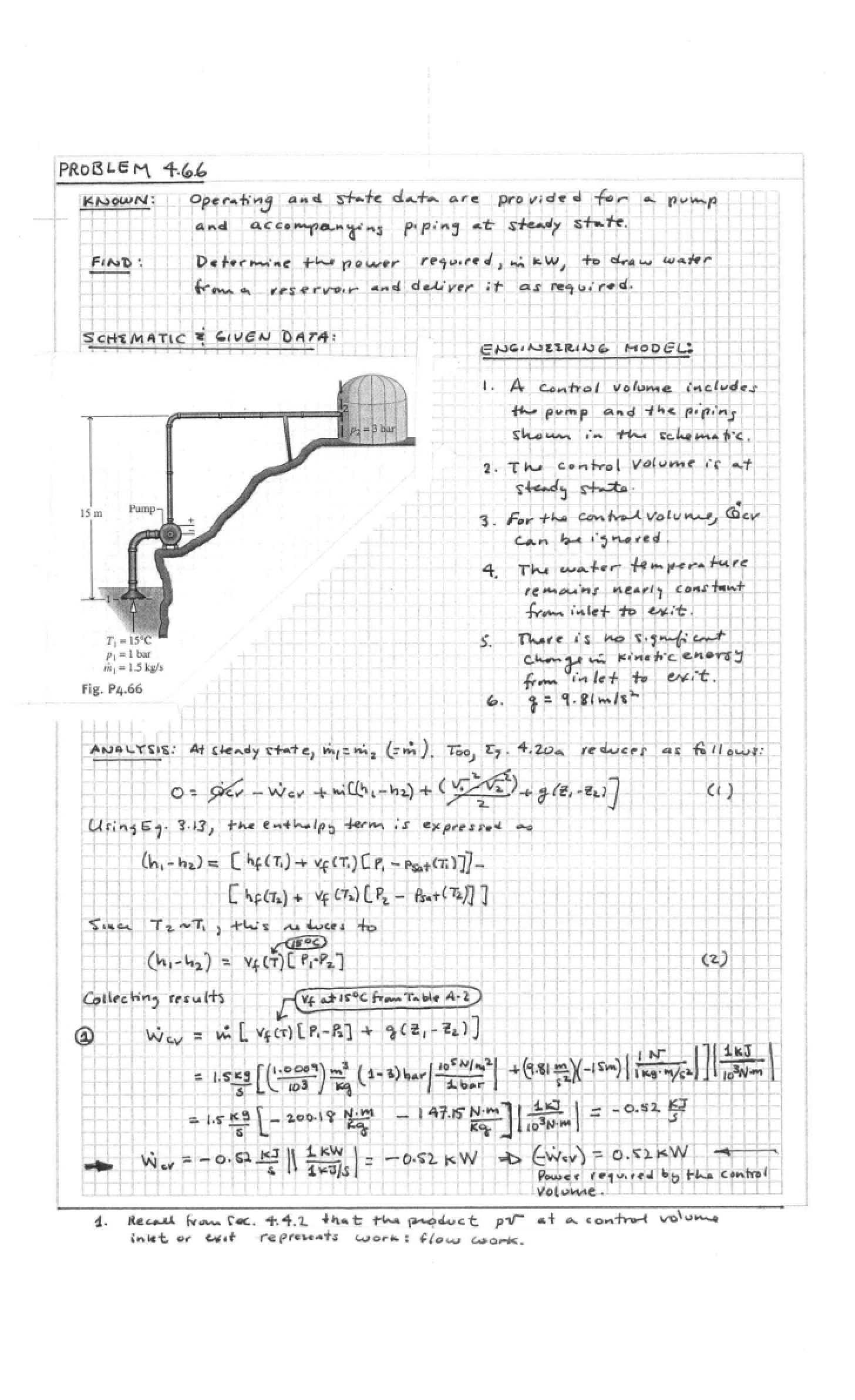
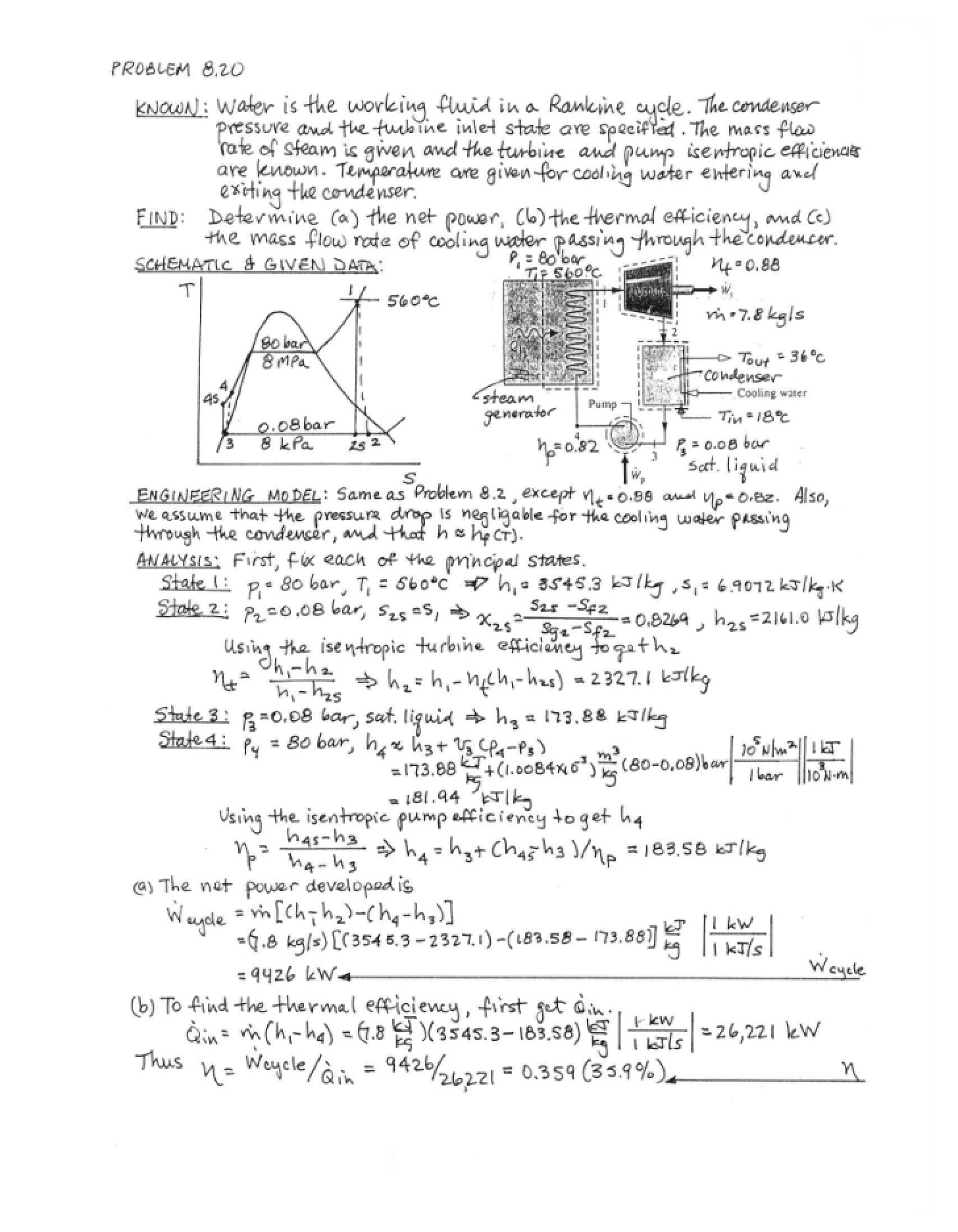
This study guide provides detailed worked solutions to a selection of problems from Thermodynamics (ME 300) at the University of Illinois at Urbana-Champaign. Specifically, it focuses on problem sets related to the application of thermodynamic principles to various substances and processes. The material covered builds upon core concepts presented in the course, offering a deeper understanding through practical application. It’s designed to complement textbook learning and lecture notes.
Why This Document Matters
This resource is invaluable for students enrolled in a thermodynamics course, particularly those seeking to solidify their understanding of problem-solving techniques. It’s most beneficial when used *after* attempting the problems independently, as a means of checking your work and identifying areas where your approach may differ. Students preparing for exams or quizzes will find it particularly helpful to review these solutions and understand the methodologies employed. It’s also a useful tool for reinforcing concepts related to property calculations, phase changes, and work done in thermodynamic systems.
Common Limitations or Challenges
This document does *not* provide a comprehensive re-teaching of the underlying thermodynamic principles. It assumes a foundational understanding of concepts like specific volume, enthalpy, internal energy, and the ideal gas law. It also doesn’t offer alternative solution methods – it presents one specific approach to each problem. Furthermore, it covers a *selection* of problems, not the entirety of the course material, and doesn’t include explanations of concepts not directly related to the solved problems.
What This Document Provides
* Detailed solutions to selected problems involving the analysis of water and other substances (like ammonia and R-134a) undergoing various thermodynamic processes.
* Applications of property tables (like Table A-14E, A-3E, and A-4E) to determine key thermodynamic properties.
* Illustrations of how to apply equations for calculating work done during constant pressure processes.
* Examples of determining the state of a substance (superheated vapor, two-phase mixture, etc.) based on given conditions.
* Problem breakdowns involving calculations of specific volume, internal energy, and enthalpy.