What This Document Is
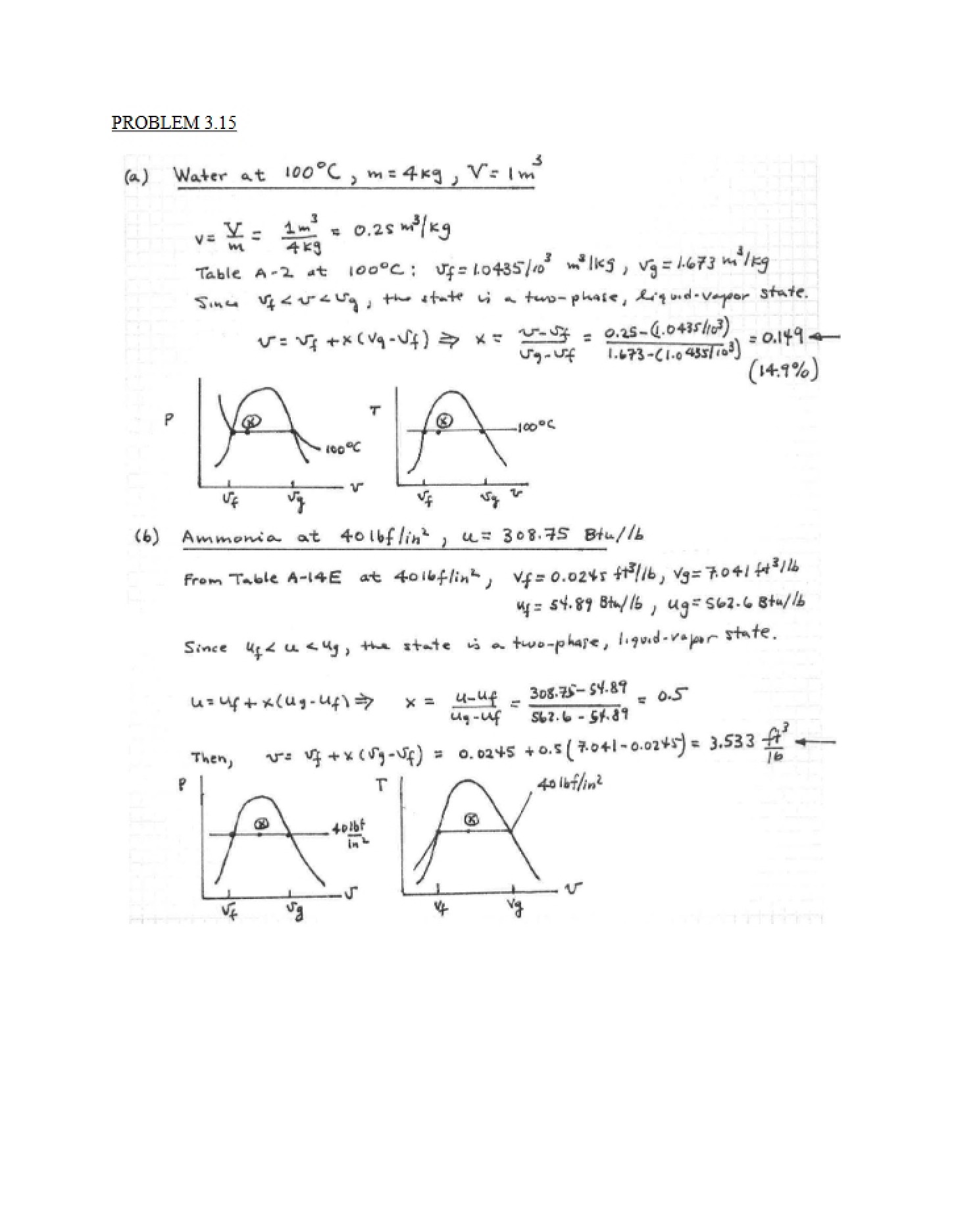
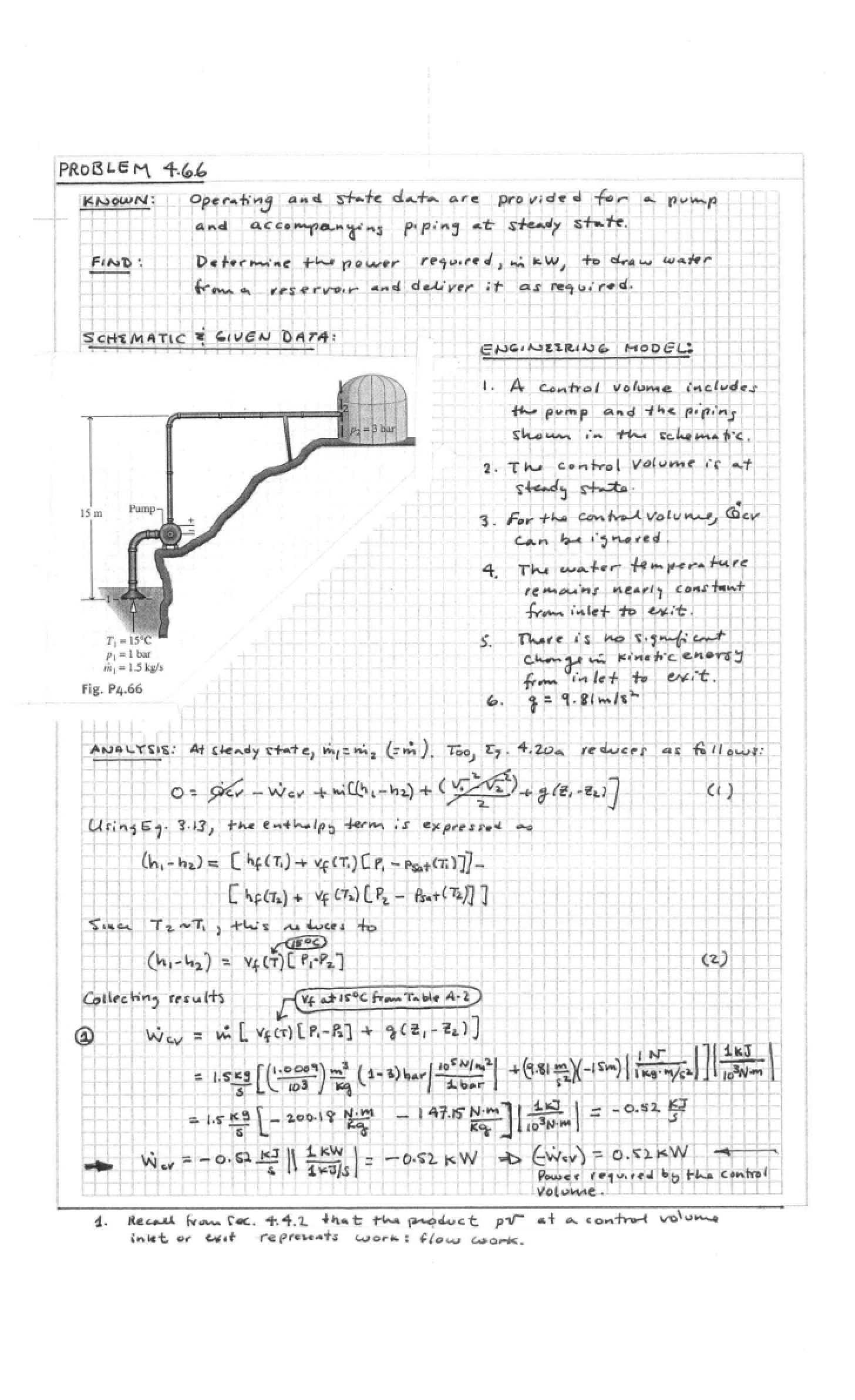
This study guide provides detailed worked solutions to a selection of problems from Thermodynamics (ME 300) at the University of Illinois at Urbana-Champaign. Specifically, it focuses on problem sets related to the behavior of substances – like water, ammonia, and refrigerants – under varying conditions of pressure and temperature. It’s designed to complement your coursework and textbook, offering a deeper understanding of applying thermodynamic principles. The material centers around phase analysis, property determination, and volume calculations for various substances.
Why This Document Matters
This resource is invaluable for students enrolled in a thermodynamics course, particularly those who benefit from seeing problems solved step-by-step. It’s especially helpful when you’re tackling challenging assignments or preparing for exams. If you find yourself struggling to apply theoretical concepts to practical scenarios, or need to verify your own problem-solving approach, this guide can provide clarity and reinforce your understanding. It’s best used *after* attempting the problems yourself, as a way to check your work and identify areas where you may need further review.
Common Limitations or Challenges
This guide does *not* provide a comprehensive re-teaching of thermodynamic principles. It assumes you have a foundational understanding of the course material and focuses solely on demonstrating the application of those principles to specific problems. It will not cover all possible problem types encountered in the course, nor does it offer alternative solution methods beyond those presented. It also doesn’t include explanations of the underlying thermodynamic theory itself – that remains the focus of your lectures and textbook.
What This Document Provides
* Detailed solutions to selected problems involving phase determination (solid, liquid, vapor).
* Applications of property tables (like those for water and refrigerants) to find specific volumes and other thermodynamic properties.
* Illustrations of how to calculate changes in volume under different pressure conditions.
* Examples demonstrating the use of quality (x) in mixed-phase systems.
* Problem-solving approaches for real gases, including the use of compressibility factors.
* Worked examples relating to ideal gas law applications and assessing its limitations.