What This Document Is
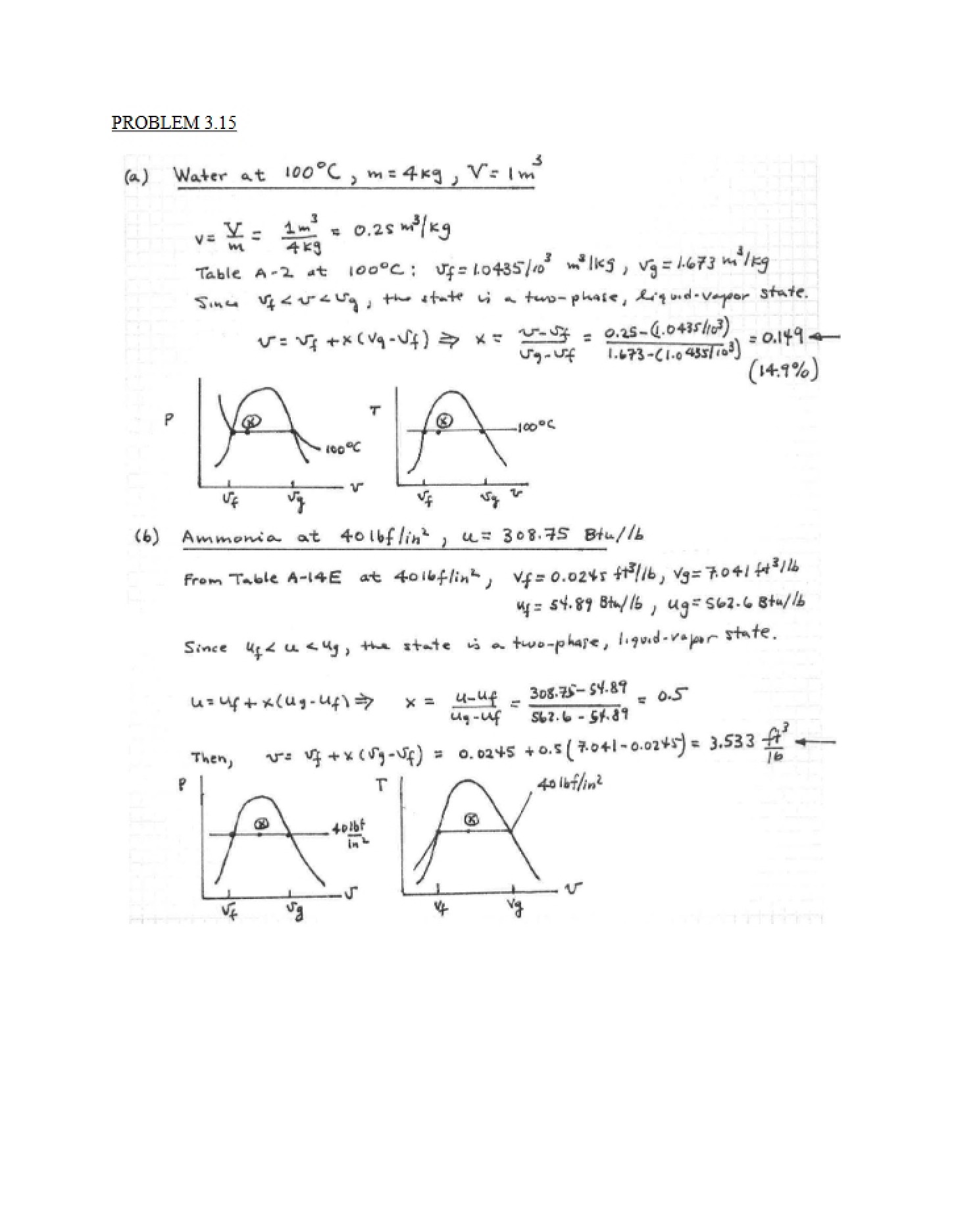
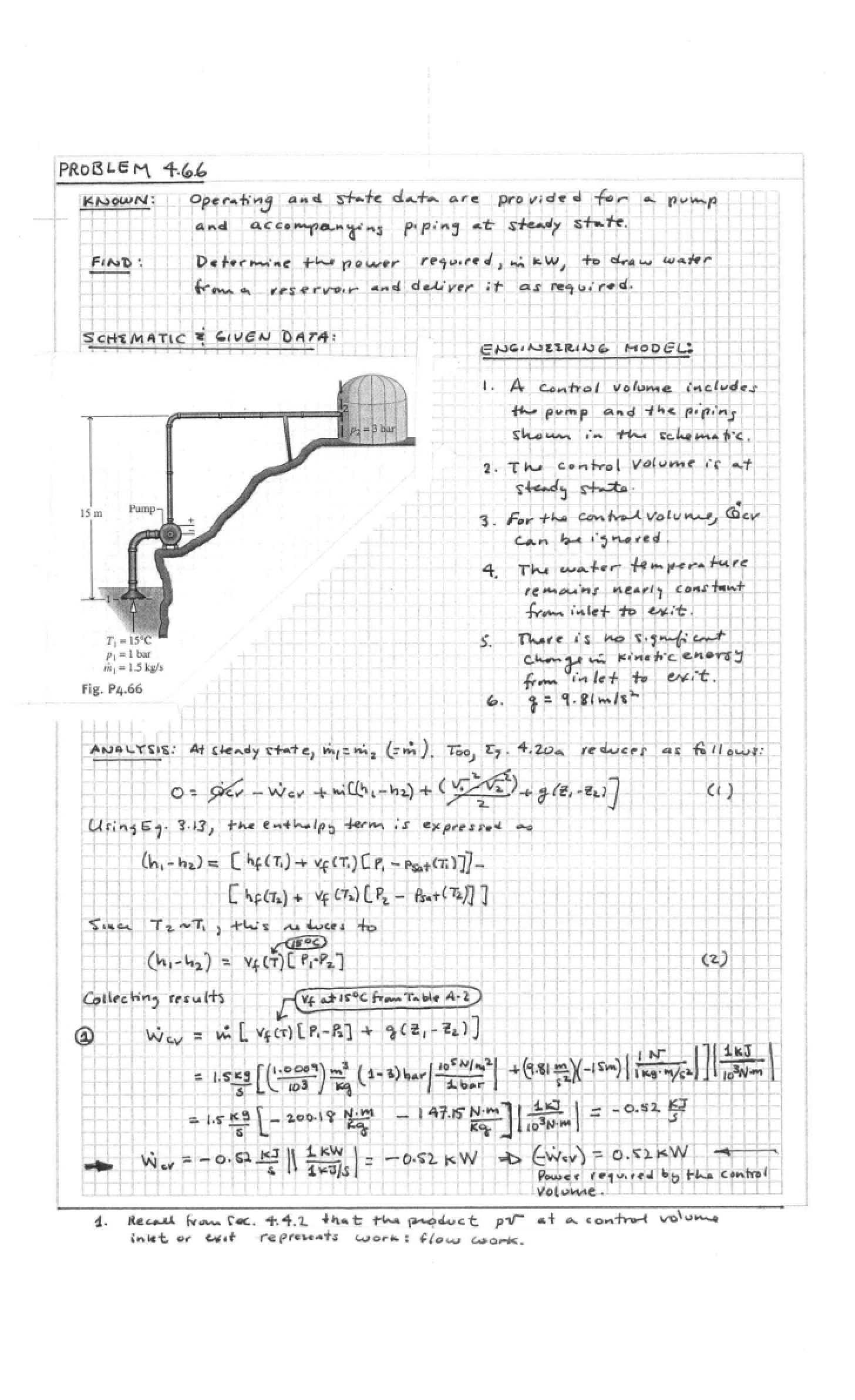
This is a detailed solutions manual accompanying problem sets for Thermodynamics (ME 300) at the University of Illinois at Urbana-Champaign. Specifically, it focuses on the solutions to problem sets designated as "Solutions 05," indicating it covers material from a specific section of the course. The document tackles a range of thermodynamics applications, likely involving energy balances, fluid properties, and system analysis. It’s structured around clearly defined problems, each with known information, desired findings, schematic diagrams, and an engineering model used for analysis.
Why This Document Matters
This resource is invaluable for students enrolled in a thermodynamics course, particularly those using the University of Illinois at Urbana-Champaign’s ME 300 materials. It’s best utilized *after* attempting the associated problem set independently. Reviewing these solutions can solidify understanding of core concepts, reveal common problem-solving approaches, and highlight areas where your own work may differ – prompting further investigation. It’s especially helpful when you’re stuck on a particular problem and need to see a complete, reasoned approach to reach a solution.
Common Limitations or Challenges
This document provides completed solutions; it does *not* offer step-by-step tutorials or explanations of fundamental thermodynamic principles. It assumes a foundational understanding of the course material. It won’t teach you the underlying concepts – it demonstrates their application. Furthermore, it focuses solely on the specific problems presented within “Solutions 05” and won’t cover broader theoretical discussions or alternative problem-solving methods. Accessing the full document is required to view the detailed calculations and reasoning.
What This Document Provides
* Detailed analyses of thermodynamics problems involving various systems and processes.
* Schematic diagrams illustrating the control volumes and flow conditions for each problem.
* Clearly stated known information and desired findings for each problem.
* Application of engineering models to solve complex thermodynamic scenarios.
* Examples dealing with topics like ideal gases, turbines, diffusers, and energy transfer.
* Problem sets covering topics such as mass and energy balances, property evaluation, and flow analysis.