What This Document Is
This study guide contains detailed, worked solutions to a selection of problems from Thermodynamics (ME 300) at the University of Illinois at Urbana-Champaign. Specifically, it focuses on problem sets related to the Second Law of Thermodynamics and its applications to various systems – including gases, steam, and closed systems undergoing different processes. It’s designed to complement your textbook and lecture notes, offering a deeper understanding of how to apply thermodynamic principles to practical engineering scenarios.
Why This Document Matters
This resource is invaluable for students enrolled in a thermodynamics course, particularly those who benefit from seeing problems solved step-by-step. It’s especially helpful when you’re struggling to apply theoretical concepts to quantitative problems, or when you want to verify your own solutions. Use this guide while working through assigned homework, preparing for quizzes, or reviewing for exams. It’s a powerful tool for solidifying your understanding of energy balances, entropy calculations, and process analysis.
Common Limitations or Challenges
This document does *not* provide a comprehensive review of thermodynamic fundamentals. It assumes you have a foundational understanding of concepts like enthalpy, entropy, and the ideal gas law. It also doesn’t offer alternative solution methods; each problem is addressed with a specific approach. Furthermore, it doesn’t include explanations of *why* certain assumptions are made – that’s best learned through your course materials. It focuses solely on problem solutions, not on developing the underlying theory.
What This Document Provides
* Detailed solutions to selected problems covering topics like adiabatic processes, heat transfer, and mixing of gases.
* Application of thermodynamic principles to closed systems undergoing various processes.
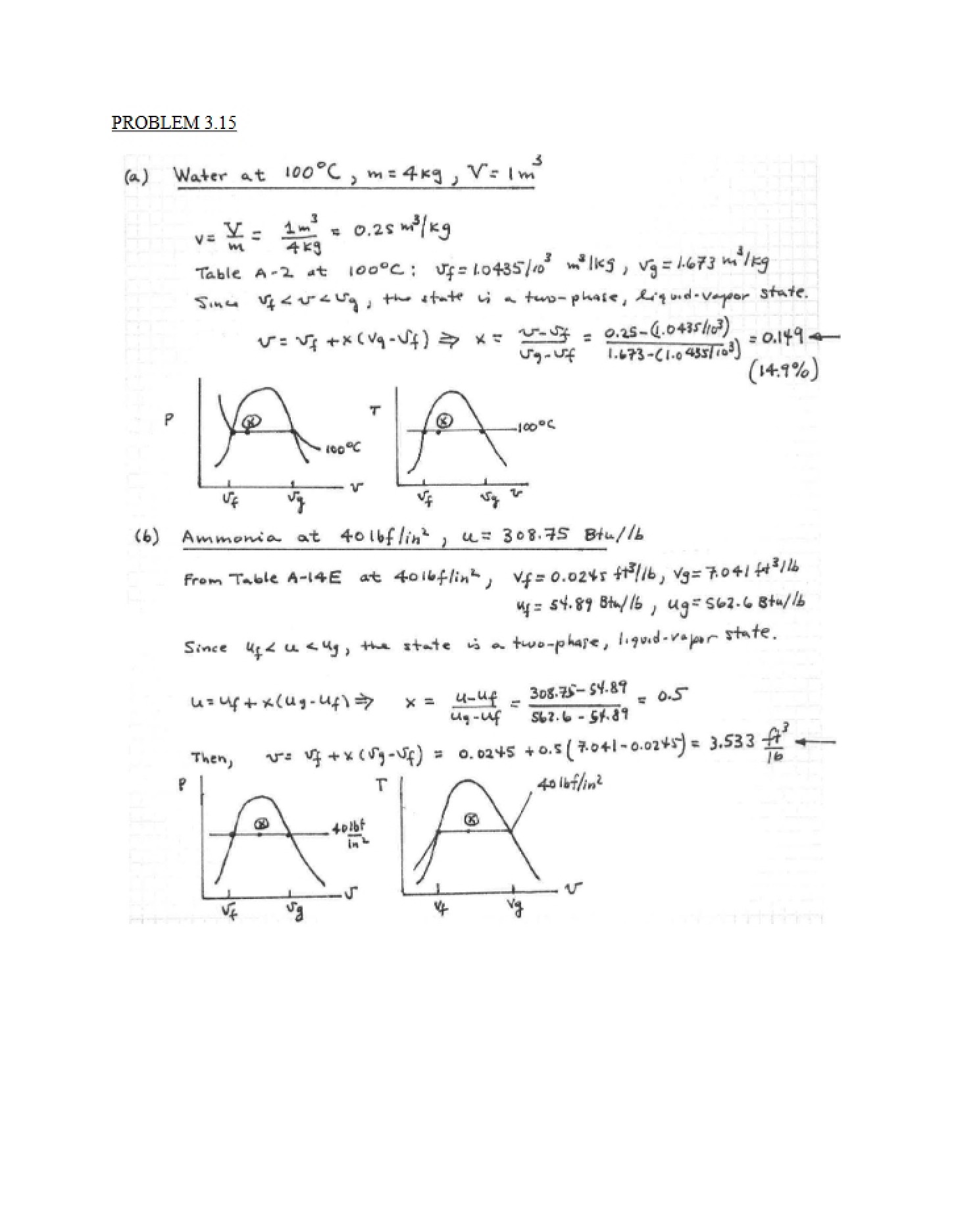
* Illustrations of how to utilize property tables (like those for steam and air) in problem-solving.
* Examples demonstrating the use of the Second Law of Thermodynamics to determine process feasibility and entropy generation.
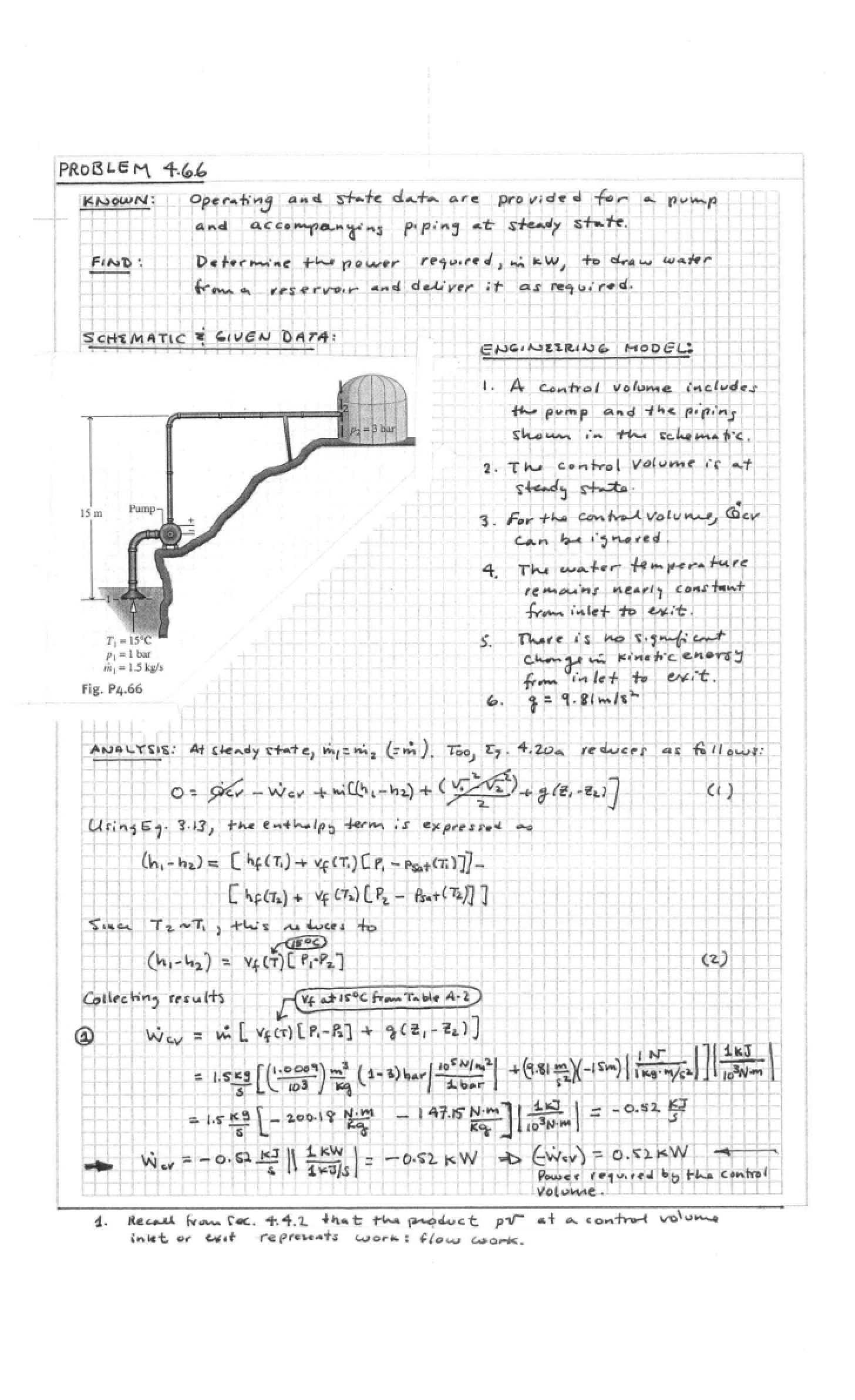
* Problem breakdowns focusing on energy and entropy balances.