What This Document Is
This study guide provides detailed worked solutions to a set of problems focused on the application of thermodynamic principles to power cycles. Specifically, it delves into the analysis of the Rankine cycle – both ideal and Carnot variations – utilizing water as the working fluid. It’s designed to accompany coursework in a Thermodynamics course (ME 300) at the University of Illinois at Urbana-Champaign. The material builds upon foundational concepts related to steam properties, heat transfer, and cycle efficiency.
Why This Document Matters
This resource is invaluable for students seeking to solidify their understanding of how to *apply* theoretical thermodynamic concepts to practical power generation systems. It’s particularly helpful when working through assigned problem sets, preparing for exams, or needing to review complex calculations. Students who struggle with translating equations into concrete problem-solving steps, or who want to verify their own work, will find this guide exceptionally useful. It’s best utilized *after* attempting the problems independently, as a means of checking understanding and identifying areas for improvement.
Common Limitations or Challenges
This guide focuses exclusively on providing detailed solutions to specific problem sets. It does *not* offer comprehensive explanations of the underlying thermodynamic principles themselves. It assumes a foundational understanding of concepts like enthalpy, entropy, and the Rankine cycle. Furthermore, it does not provide alternative solution methods or explore the impact of varying input parameters beyond those presented in the original problems. It is a solution manual, not a textbook or lecture replacement.
What This Document Provides
* Step-by-step breakdowns of problem-solving approaches for Rankine cycle analysis.
* Detailed calculations for determining heat transfer rates in boiler and condenser components.
* Analysis of thermal efficiency calculations for both ideal and Carnot Rankine cycles.
* Worked examples demonstrating the impact of superheating on cycle performance.
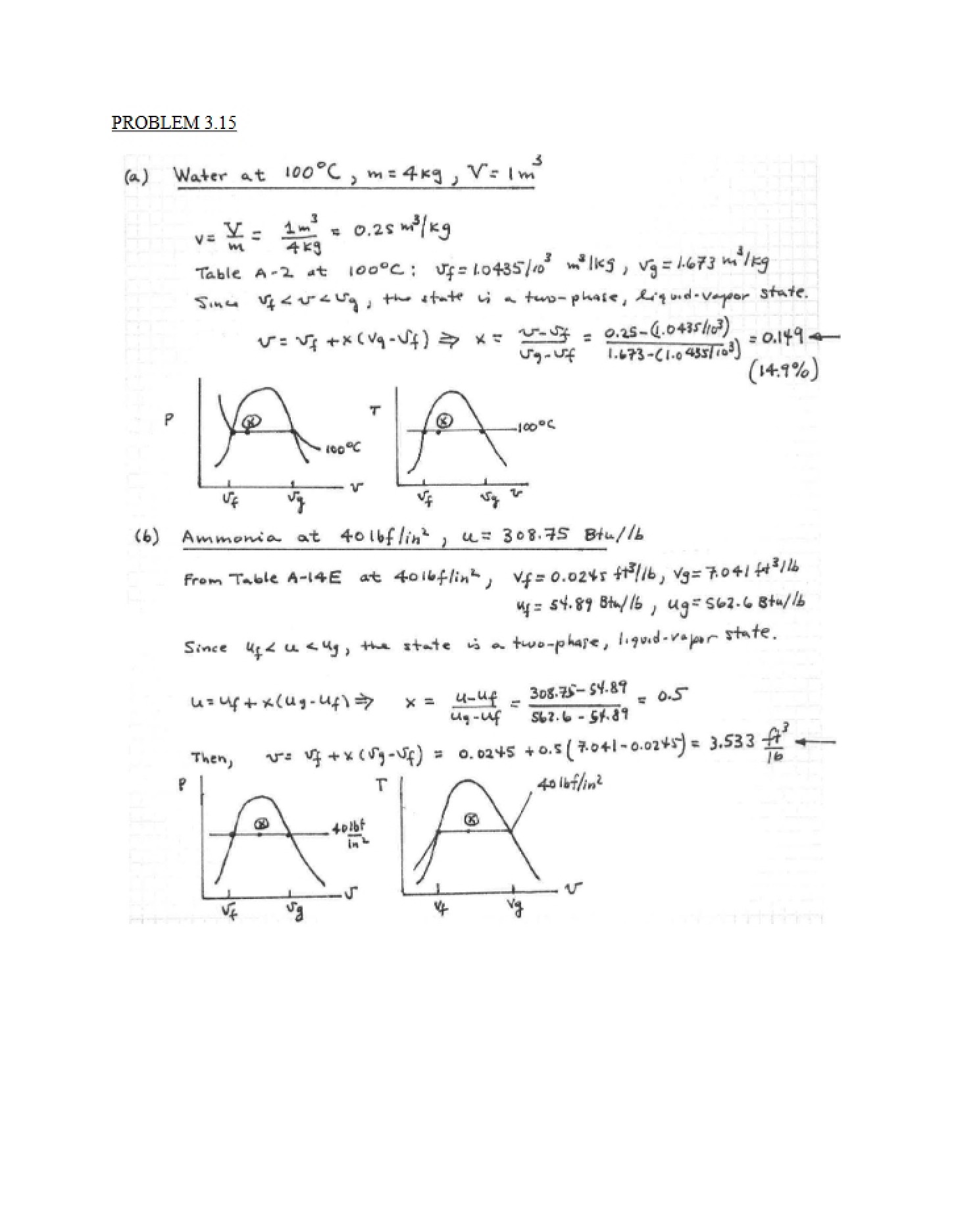
* Solutions involving property determination using steam tables and related thermodynamic data.
* Calculations for back work ratio and net power developed in vapor power cycles.
* Problem sets utilizing both US customary and SI units.