What This Document Is
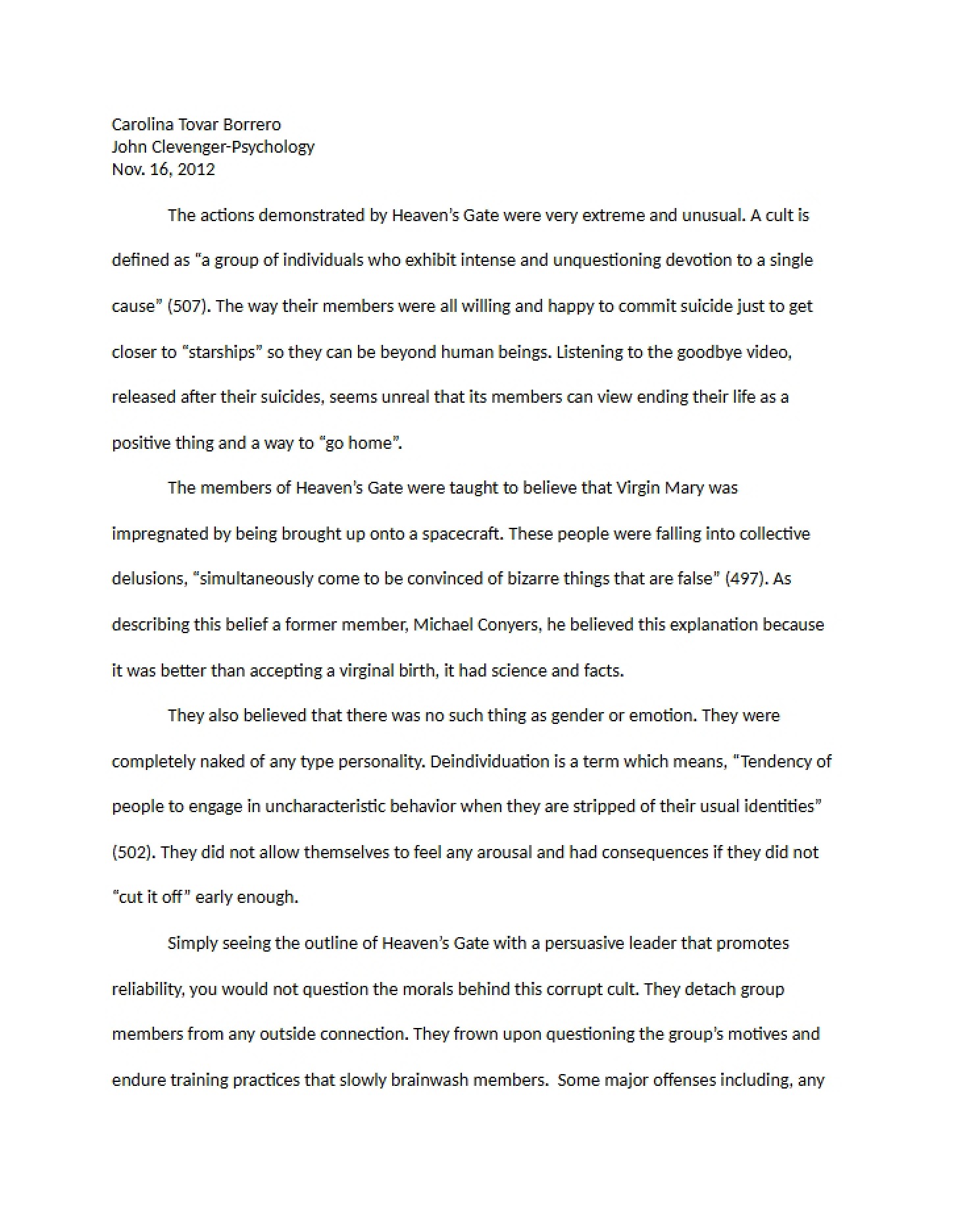
This is a student’s reflective written assignment for PSYC 100 at the University of Illinois at Urbana-Champaign, responding to a lecture given by researcher Lori Santo. The assignment centers around applying core psychological principles discussed in the course to observations made regarding Dr. Santo’s research on capuchin monkey behavior – specifically, their decision-making processes within an experimental economic framework. It demonstrates critical thinking skills by connecting research findings to established psychological theories and concepts.
Why This Document Matters
This assignment is valuable for students currently enrolled in Introduction to Psychology, particularly those seeking to understand how theoretical frameworks translate to real-world (and real-animal!) research. It’s especially helpful when grappling with concepts related to behavioral economics, comparative psychology, and the foundations of learning. Reviewing this work can offer insight into effective strategies for synthesizing lecture material with assigned readings and formulating well-supported arguments. It’s best used *after* engaging with the relevant course chapters and the Santo lecture itself, as a model for approaching similar assignments.
Common Limitations or Challenges
Please note that this is a single student’s interpretation and analysis. It does not represent a comprehensive summary of Dr. Santo’s research, nor does it provide definitive answers or a complete overview of the psychological theories discussed. It’s a specific response to a specific prompt and should not be used as a substitute for independent study or direct engagement with course materials. Accessing the full assignment will not provide the lecture content itself, or the textbook readings.
What This Document Provides
* An example of applying psychological theories to observed behavior.
* A demonstration of connecting research findings to established concepts from the course.
* Insight into a student’s thought process when analyzing complex information.
* A framework for understanding how comparative psychology can illuminate human behavior.
* A perspective on the challenges and nuances of interpreting experimental results.