What This Document Is
This study guide provides a comprehensive overview of the complex topic of leadership within the field of individual differences. Specifically, it delves into the psychological theories surrounding leadership – how it emerges, what makes it effective, and the ongoing debate of nature versus nurture in determining leadership qualities. It explores various approaches to understanding leadership, moving beyond simple trait identification to consider situational factors and behavioral patterns. This material is designed for students in an introductory psychology course focusing on individual differences.
Why This Document Matters
Students enrolled in PSY 3135 at the University of Minnesota Twin Cities will find this resource particularly valuable when preparing for coursework and assessments related to leadership theories. It’s ideal for those seeking a deeper understanding of the psychological underpinnings of influence, motivation, and group dynamics. Use this guide to supplement lectures, clarify complex concepts, and build a strong foundation for further study in social psychology, organizational behavior, or related fields. It’s best utilized *before* tackling assignments or exams to ensure a solid grasp of the core principles.
Common Limitations or Challenges
This guide focuses on theoretical frameworks and research findings related to leadership. It does not offer practical advice on *how* to become a leader, nor does it provide case studies or real-world applications of the concepts discussed. It also doesn’t cover every single leadership theory ever proposed; rather, it concentrates on key perspectives within the field of individual differences. Access to the full material is required for a complete understanding of the nuances and supporting evidence for each concept.
What This Document Provides
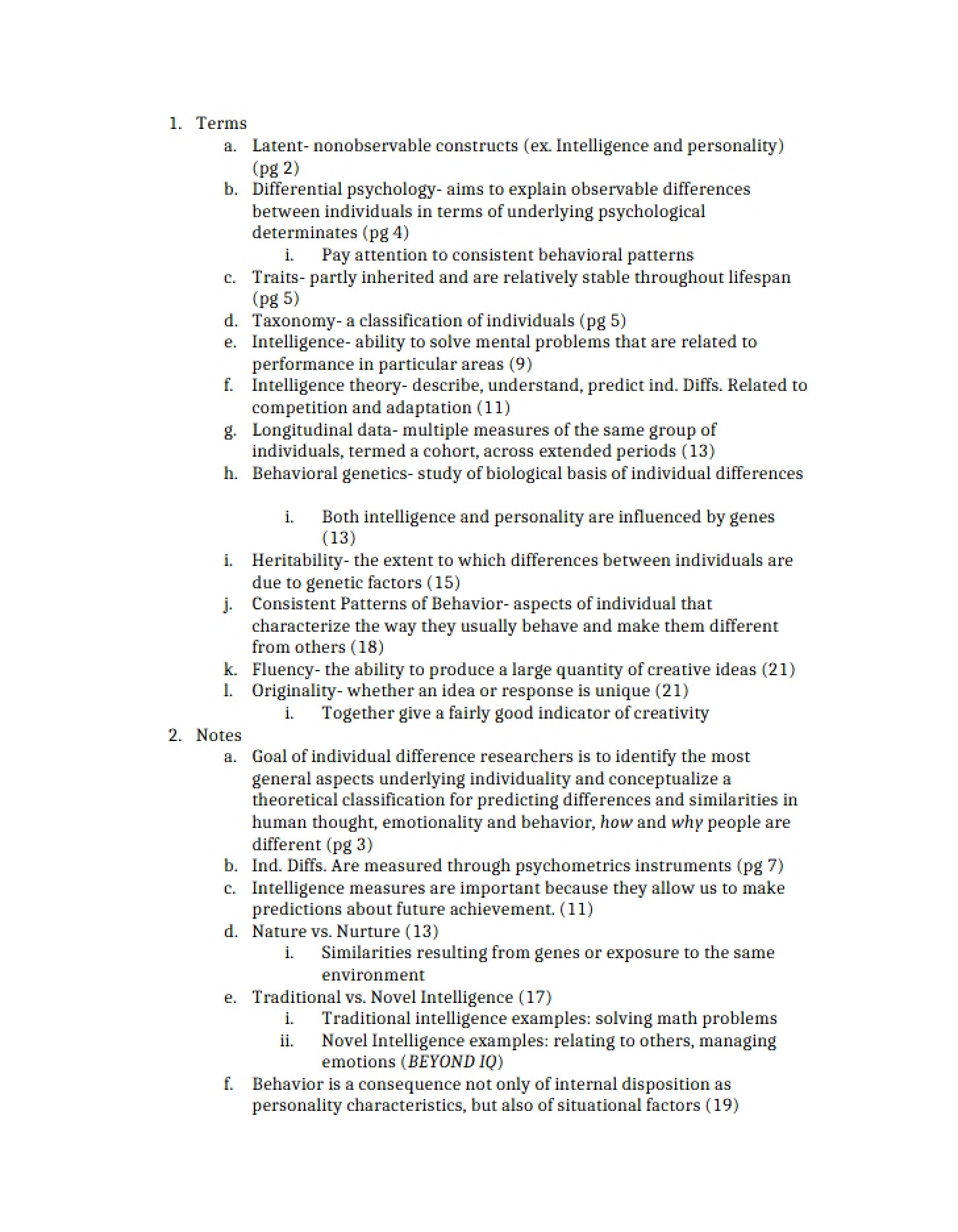
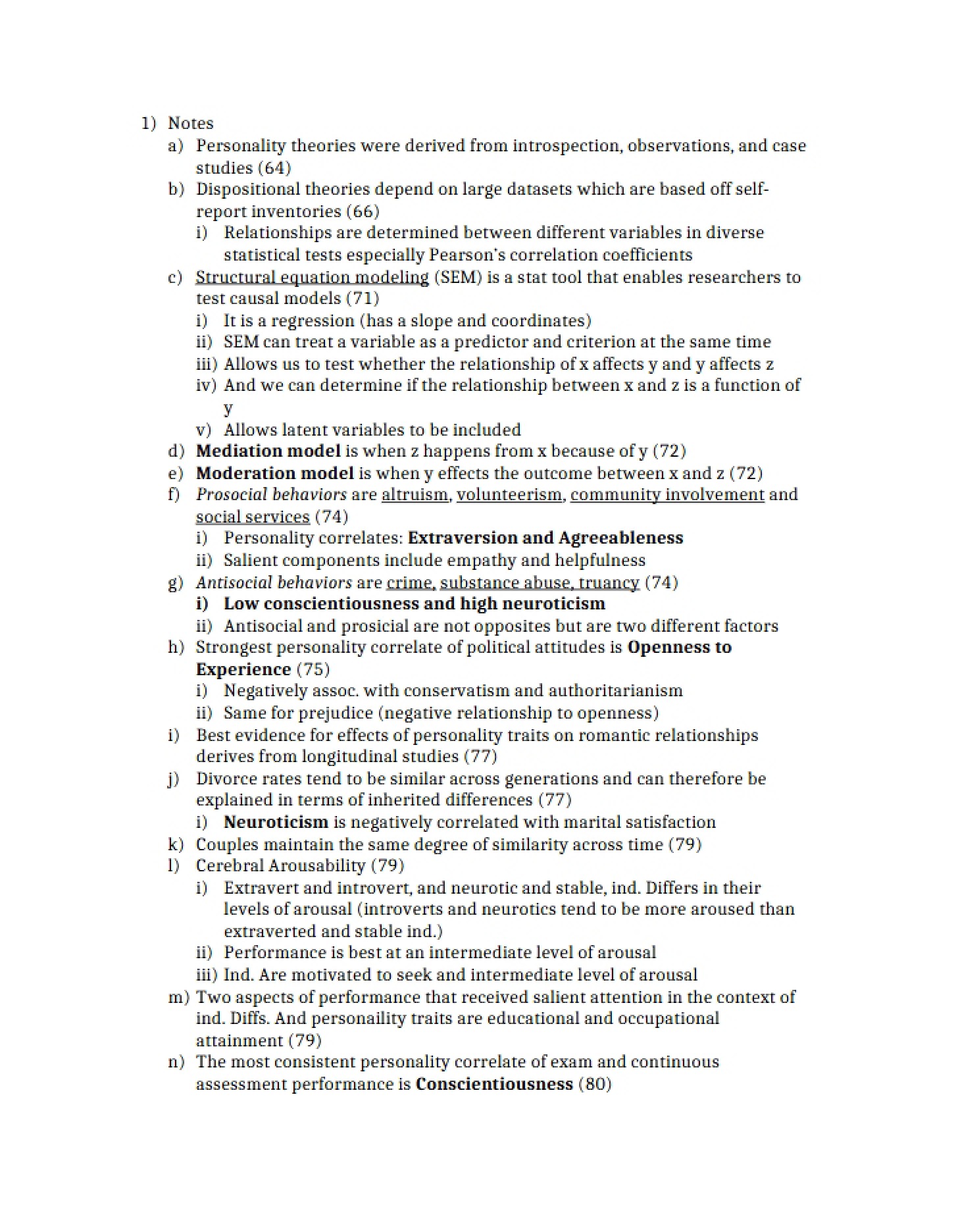
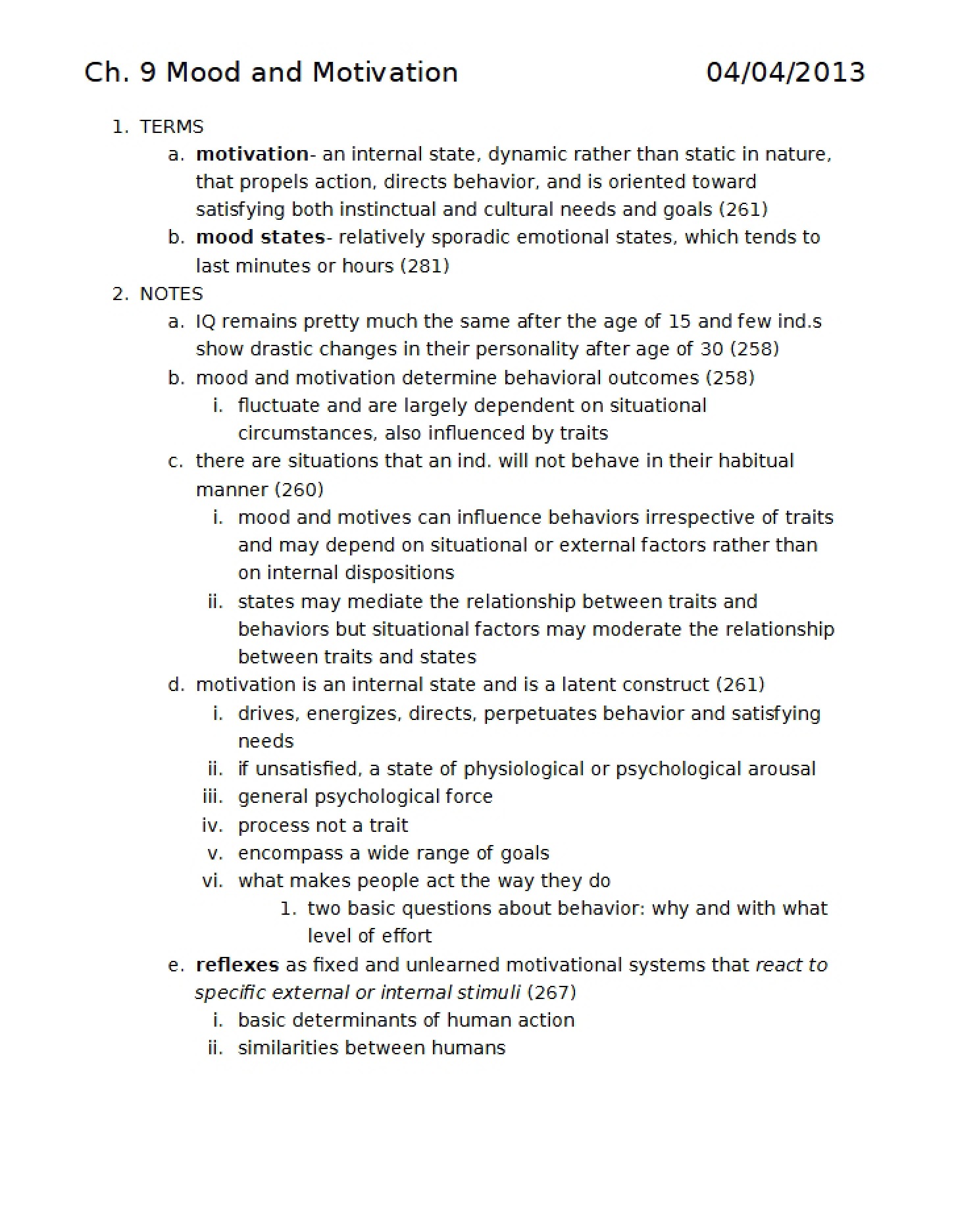
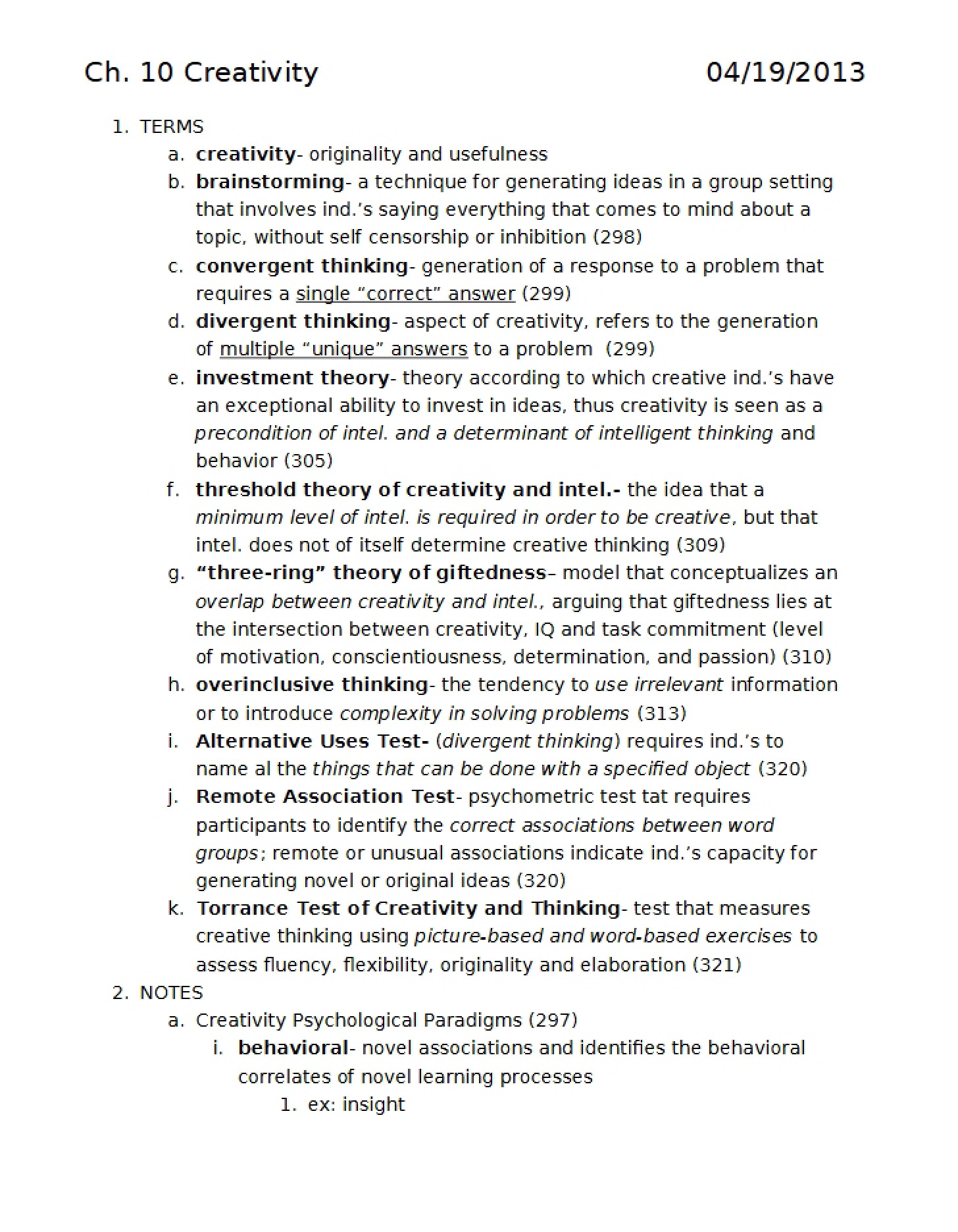
* A detailed outline of key terms related to leadership studies.
* An exploration of different perspectives on leadership – trait-based, situational, and behavioral.
* Discussion of the historical development of leadership theories.
* Insights into the relationship between personality traits and leadership potential.
* An overview of the factors influencing the perception of leadership.
* Consideration of the psychological factors that contribute to influence and follower behavior.