What This Document Is
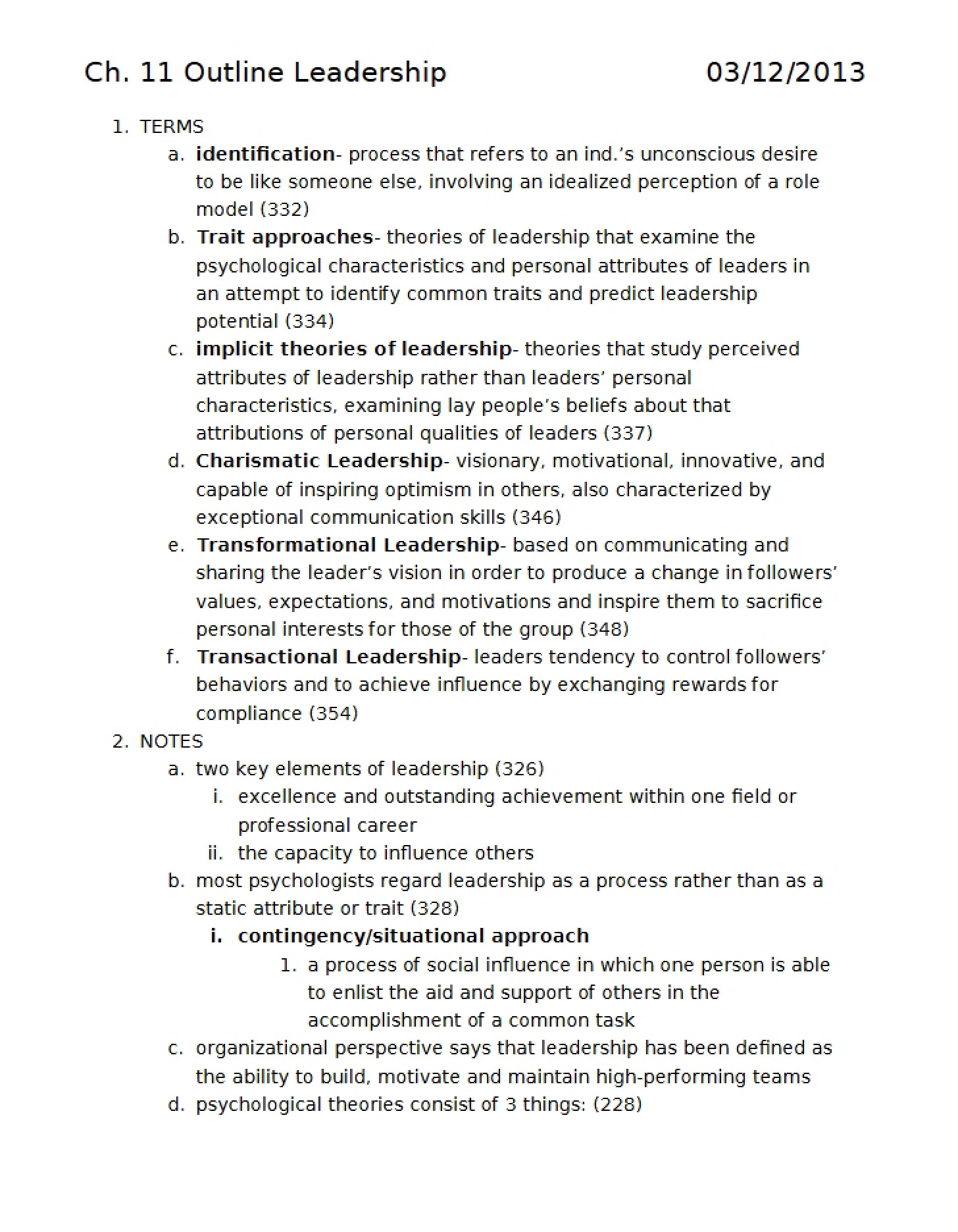
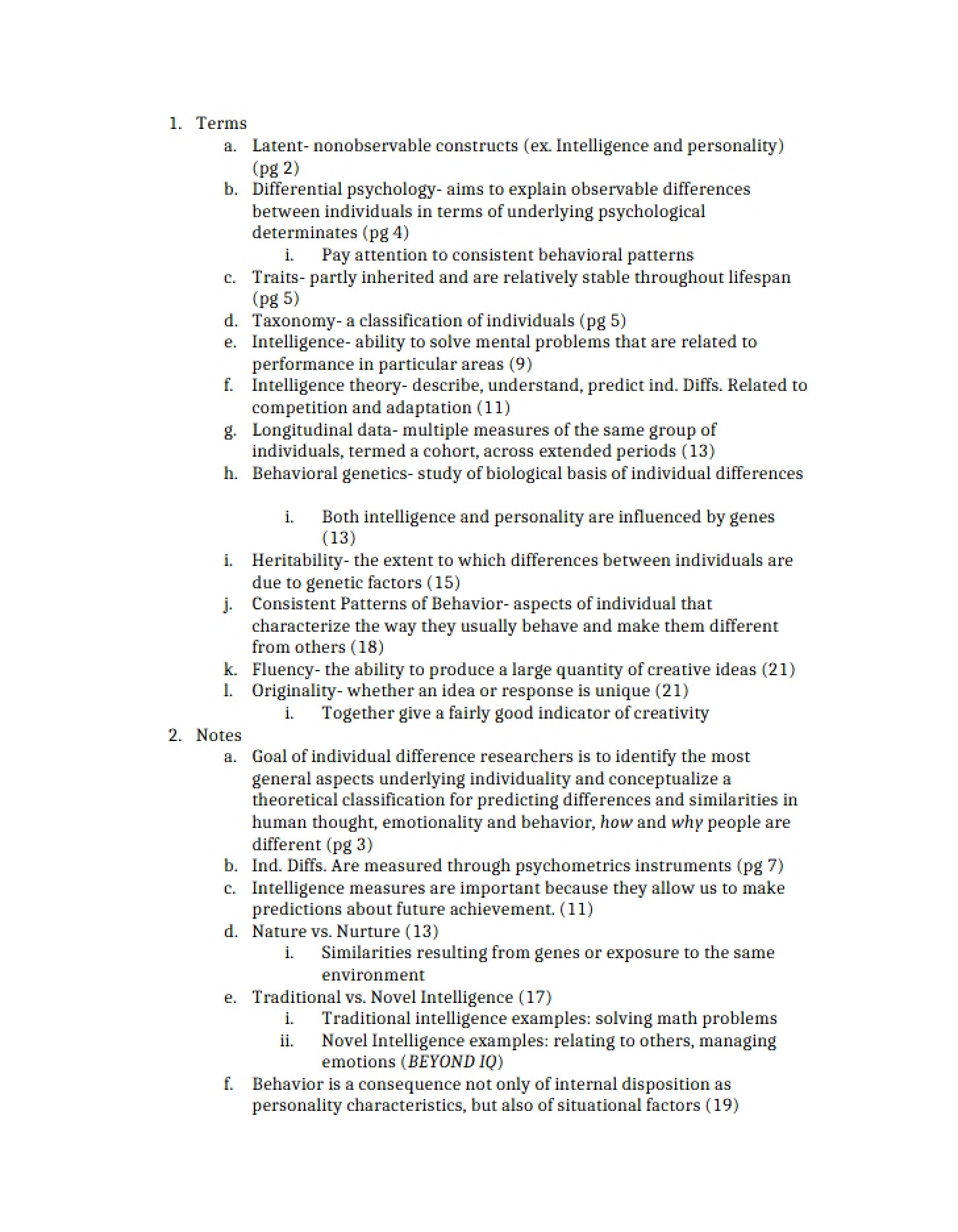
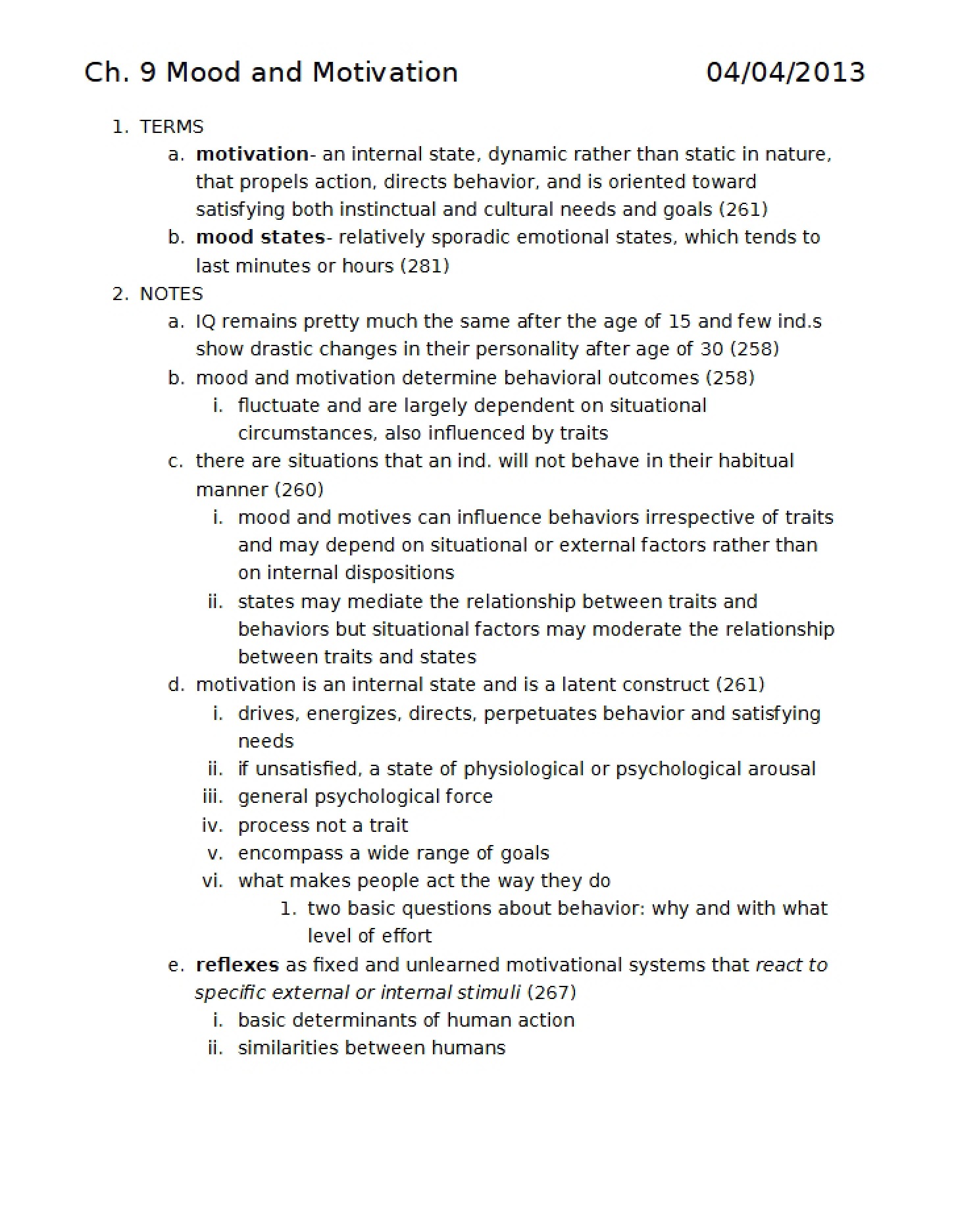
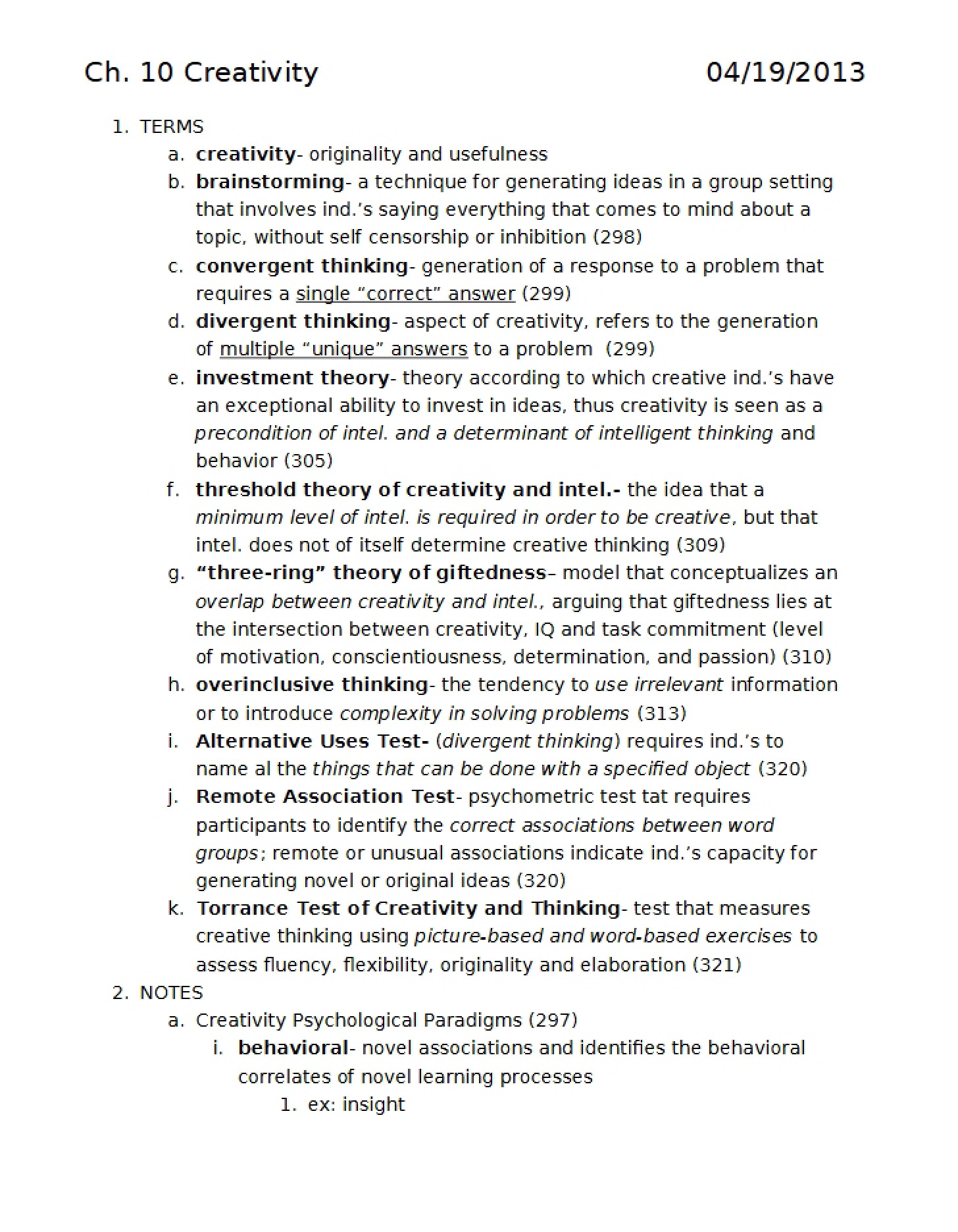
These are comprehensive class notes from PSY 3135, Introduction to Individual Differences, at the University of Minnesota Twin Cities. This resource delves into the core principles of understanding what makes people unique, exploring the theoretical foundations and empirical research behind personality and individual variations in behavior. It covers a broad range of topics within the field, from foundational theories to practical applications in areas like relationships, work, and health.
Why This Document Matters
This study guide is invaluable for students enrolled in introductory courses on personality psychology or individual differences. It’s particularly helpful for those seeking a consolidated and organized overview of key concepts, research findings, and statistical approaches used in the field. Use these notes to supplement lectures, prepare for exams, and build a strong foundation for more advanced coursework. Students who struggle with synthesizing information from multiple sources or prefer a detailed note-taking style will find this resource especially beneficial.
Common Limitations or Challenges
While these notes aim to be thorough, they are designed as a *supplement* to course materials – they do not replace the need for active class participation, textbook readings, or independent research. The notes represent a specific interpretation of the course content and may not encompass every nuance discussed in lectures. Furthermore, this resource focuses on summarizing core ideas and does not provide in-depth practice problems or application exercises.
What This Document Provides
* An overview of major theoretical perspectives in personality psychology.
* Explanations of research methodologies used to study individual differences, including statistical techniques.
* Insights into the personality correlates of various life outcomes, such as prosocial and antisocial behaviors.
* A discussion of the relationship between personality traits and attitudes, including political views and prejudice.
* Exploration of the link between personality and interpersonal relationships.
* Coverage of the biological underpinnings of personality, including the concept of cerebral arousability.
* An examination of personality’s influence on educational and occupational success.
* A review of the connection between personality and both physical and mental health.