What This Document Is
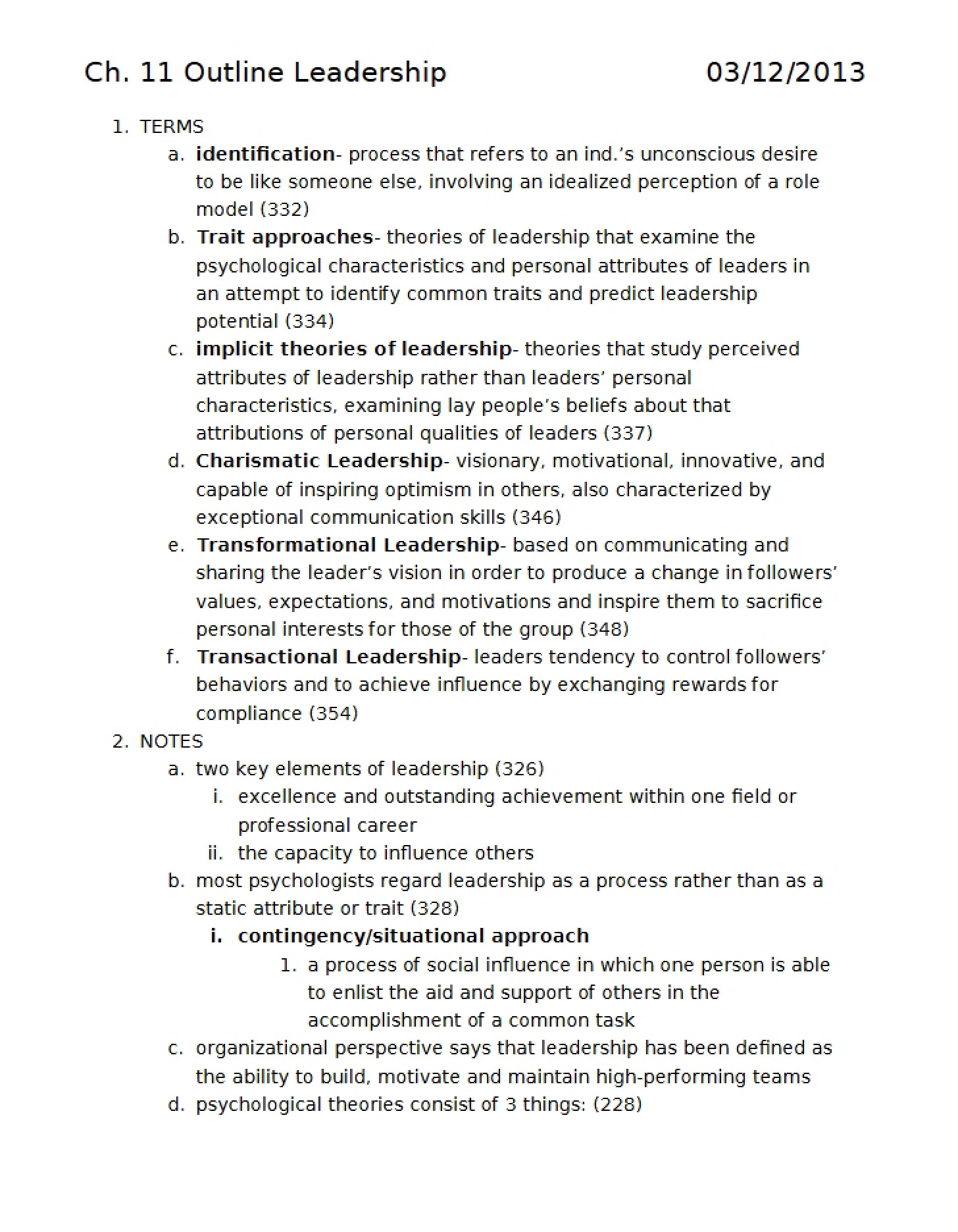
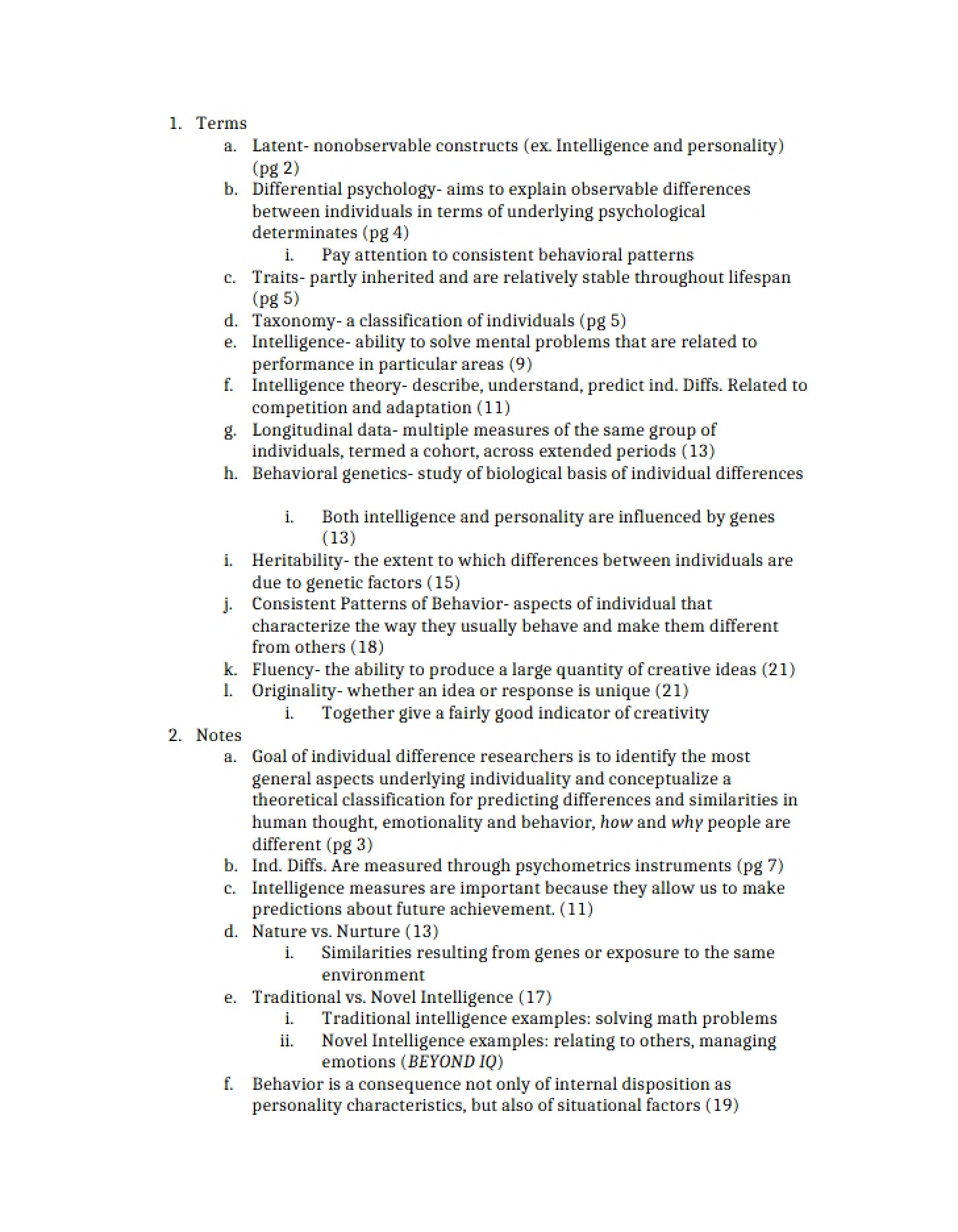
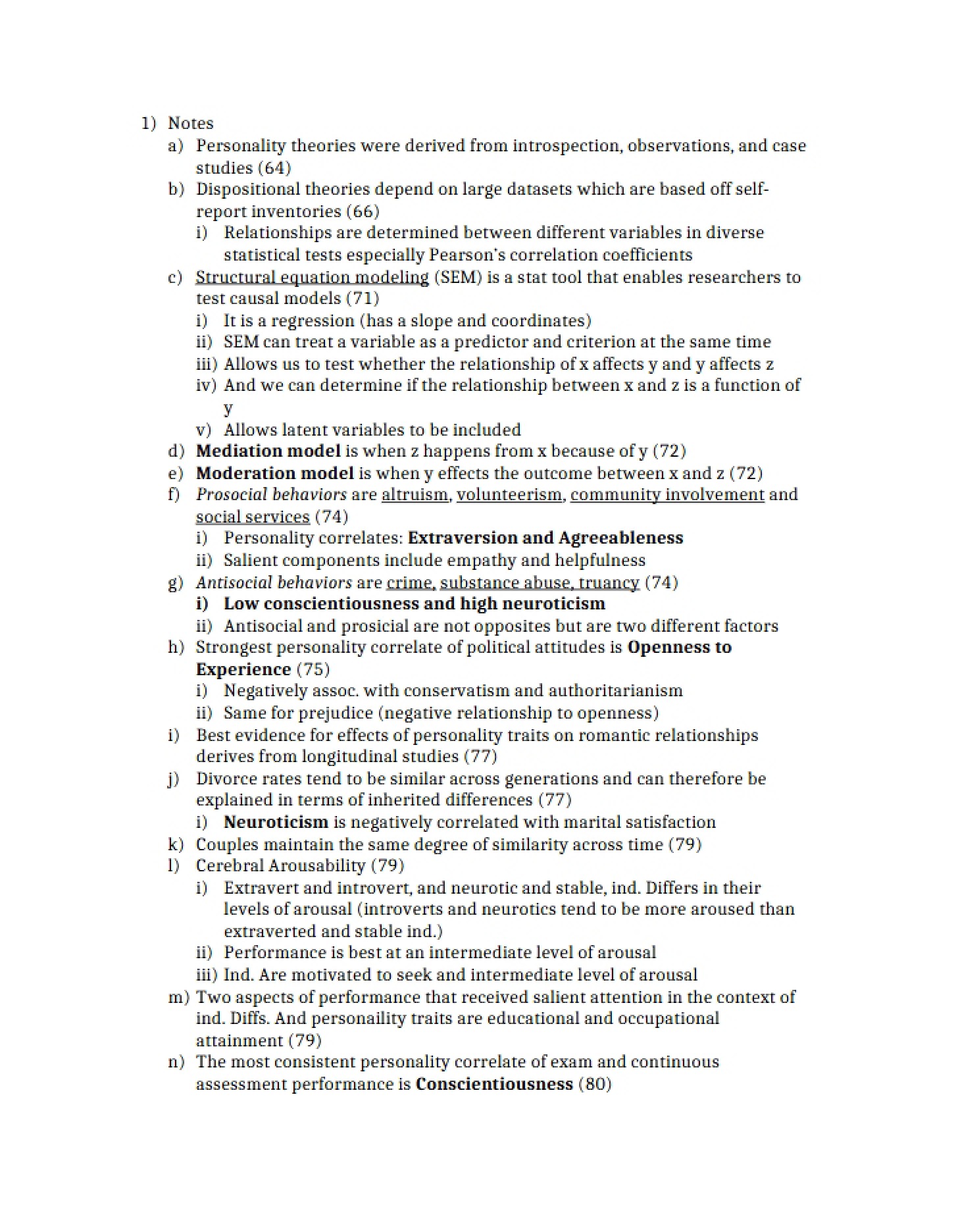
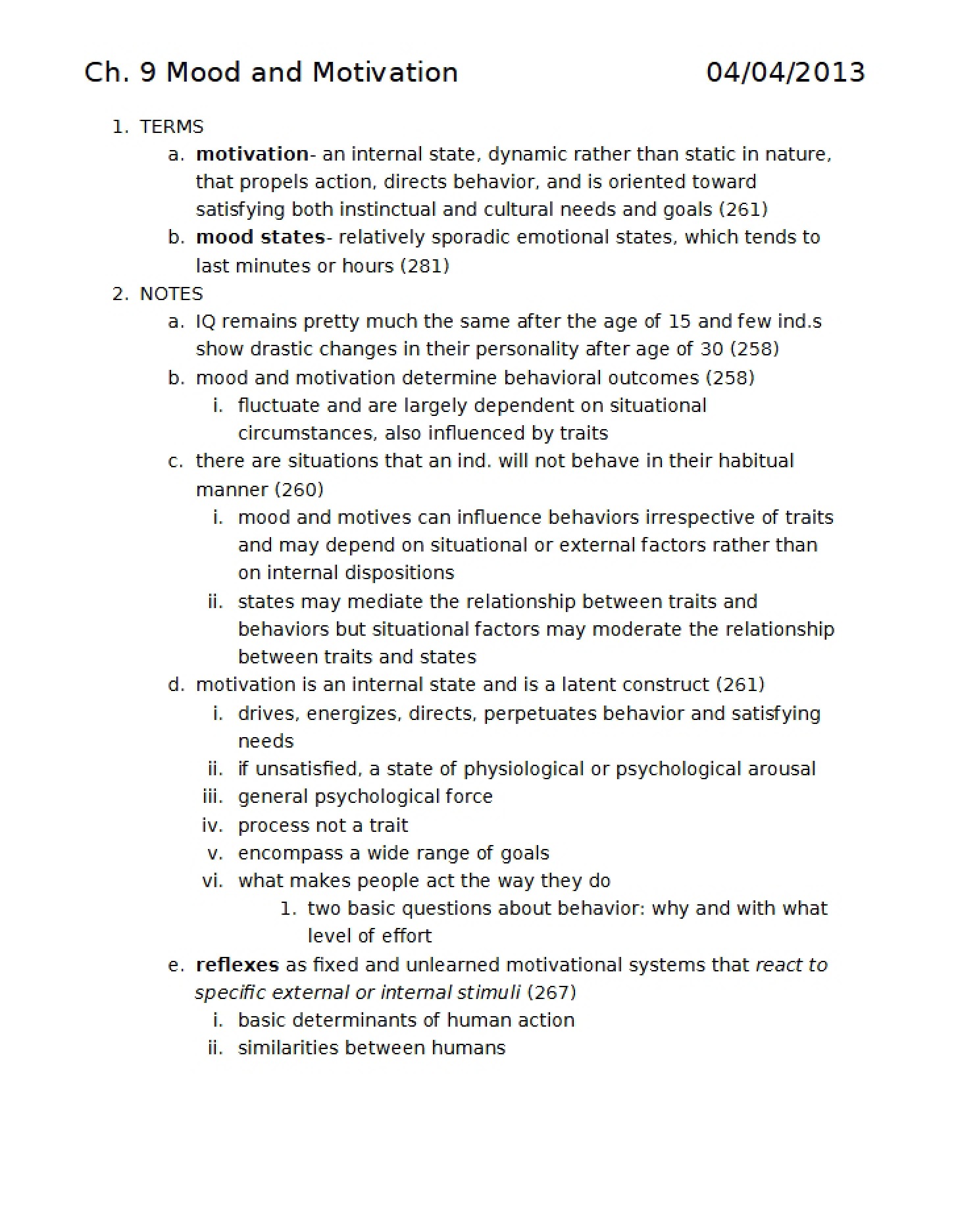
This resource is a curated compilation of essential terminology related to the fascinating field of individual differences. Specifically designed for students in an introductory psychology course (PSY 3135 at the University of Minnesota Twin Cities), it serves as a foundational glossary for understanding core concepts within personality psychology and related areas. It delves into the theoretical underpinnings of how and why people differ, exploring various perspectives on the nature of personality itself.
Why This Document Matters
If you're grappling with the complex ideas presented in your individual differences course, this key terms resource will be invaluable. It’s particularly helpful for students who are new to the subject and want a quick, accessible reference to clarify definitions and relationships between concepts. Use it while reading assigned chapters, preparing for discussions, or beginning to formulate your understanding of the core debates in the field. It’s a great starting point for building a strong conceptual foundation.
Common Limitations or Challenges
This document focuses *solely* on defining and outlining key terms. It does not offer in-depth explanations of research studies, detailed theoretical critiques, or practical applications of these concepts. It’s designed to be a companion to your course materials – a tool to aid comprehension – and won’t replace the need for thorough reading and active engagement with the full curriculum. It also doesn’t provide examples or case studies to illustrate the concepts.
What This Document Provides
* A comprehensive list of terms central to understanding different approaches to studying individual differences.
* Clarification of foundational paradigms, such as nomothetic and idiographic perspectives.
* Definitions related to the historical roots of personality theory.
* Key terminology surrounding the measurement of psychological constructs.
* An overview of concepts related to the interplay between biological factors and psychological characteristics.
* Distinctions between different schools of thought regarding the consistency of personality.