What This Document Is
This study guide provides a focused exploration of creativity, a core topic within the field of individual differences. Specifically designed for students in PSY 3135 at the University of Minnesota Twin Cities, it delves into the psychological understanding of what drives original thought and innovative problem-solving. It’s a concentrated resource intended to supplement lectures and textbook readings on this complex subject.
Why This Document Matters
This guide is invaluable for students seeking a deeper grasp of the theories and research surrounding creativity. It’s particularly helpful when preparing for exams, writing research papers, or simply wanting to expand your understanding of the factors that contribute to individual creative potential. Students who are interested in fields like psychology, education, or innovation will find this material especially relevant. Use this as a focused study aid to solidify your understanding of key concepts *before* diving into more detailed analyses.
Common Limitations or Challenges
This guide is not a substitute for attending lectures or completing assigned readings. It offers a synthesized overview, but doesn’t present the full scope of research on creativity. It also doesn’t provide practical exercises or techniques for *becoming* more creative – it focuses on the *understanding* of creativity as a psychological construct. It won’t offer definitive answers or a simple formula for unlocking creative potential, as the topic is inherently nuanced.
What This Document Provides
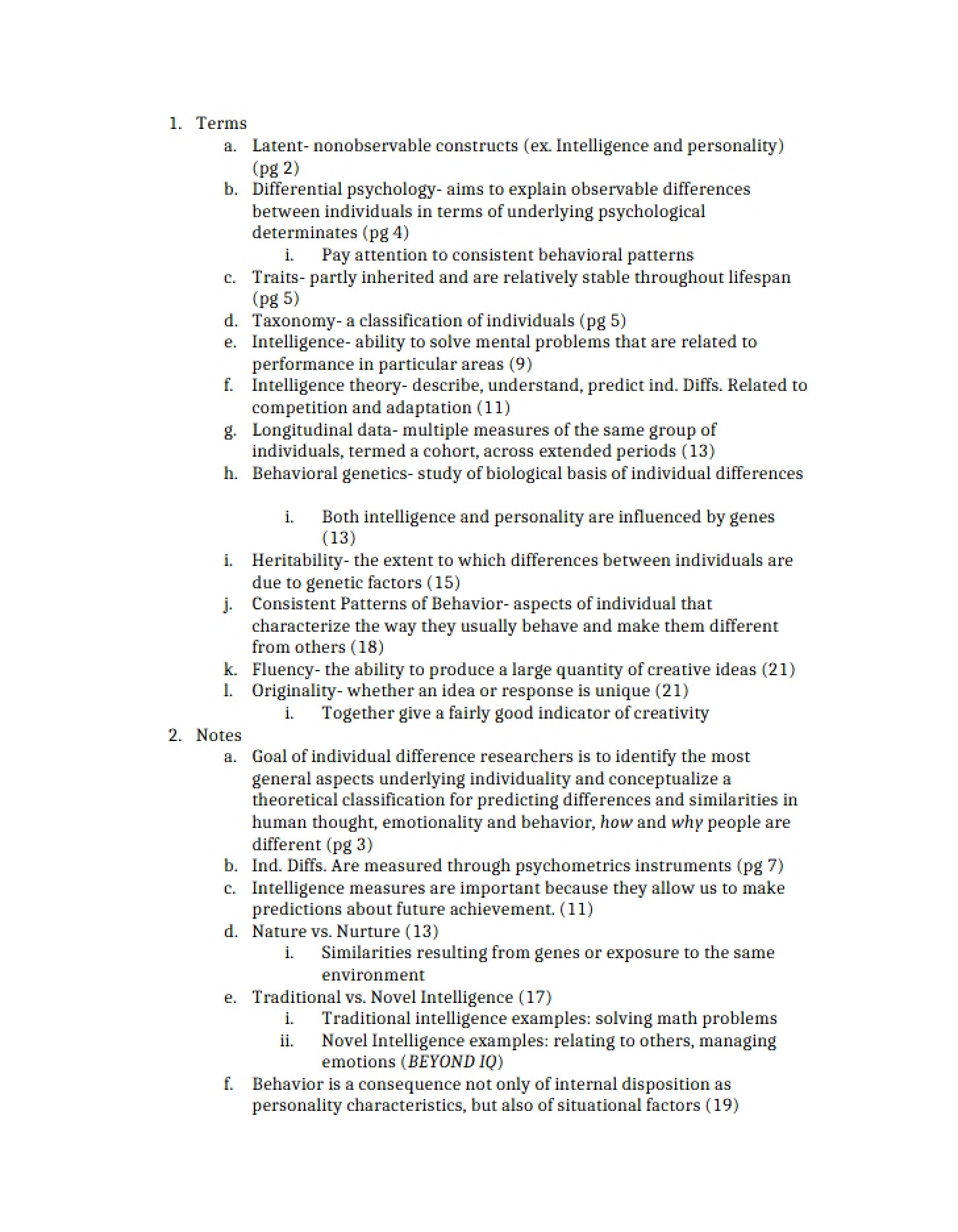
* A compilation of key terms related to the study of creativity, including definitions of concepts like divergent thinking and brainstorming.
* An overview of different psychological paradigms used to study creativity – behavioral, biological, clinical, cognitive, developmental, and educational.
* A discussion of the relationship between creativity and intelligence, exploring various theoretical perspectives.
* An outline of different approaches to studying creativity – focusing on the person, process, product, and environmental “press.”
* Definitions of specific assessment tools used to measure creative thinking.