What This Document Is
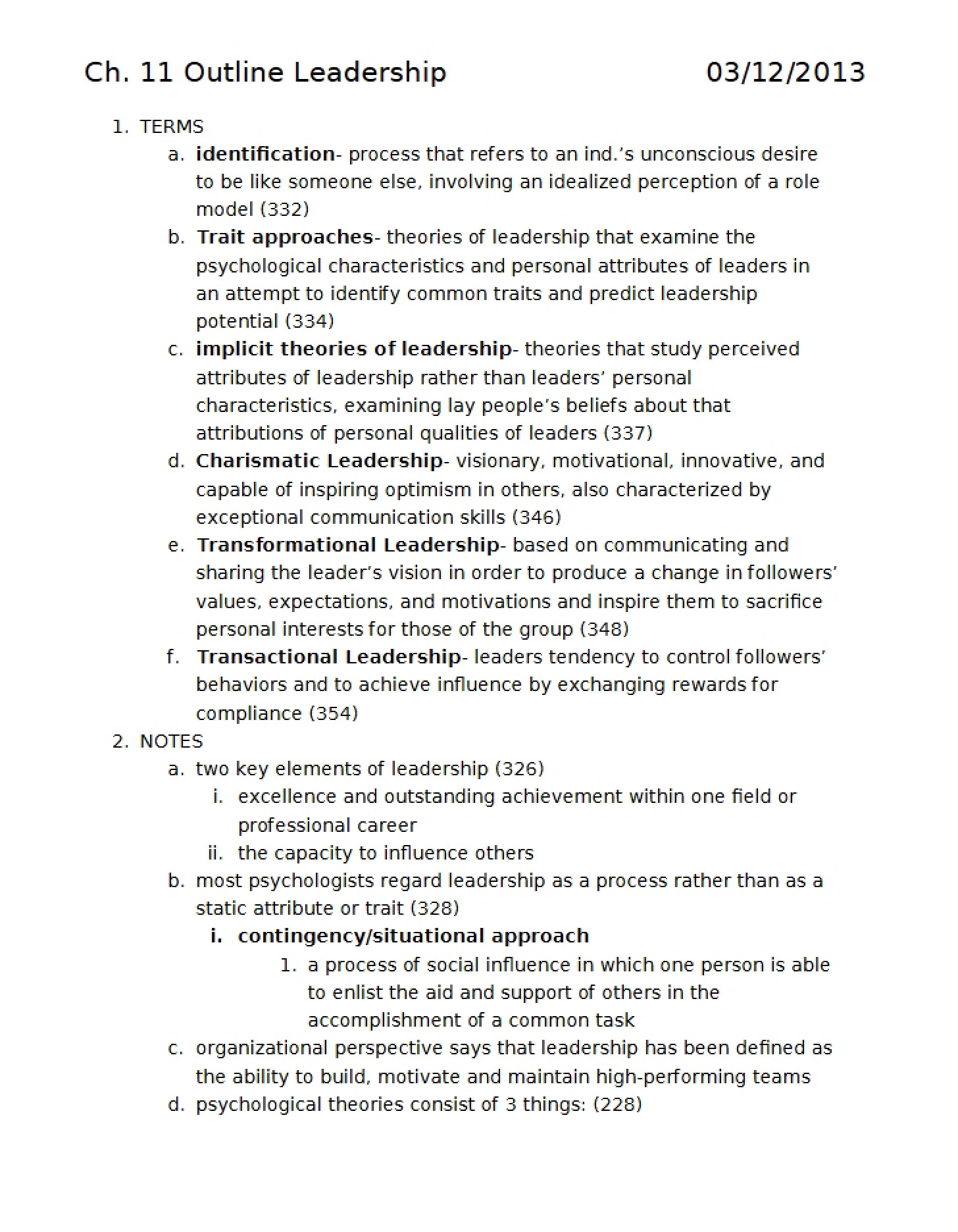
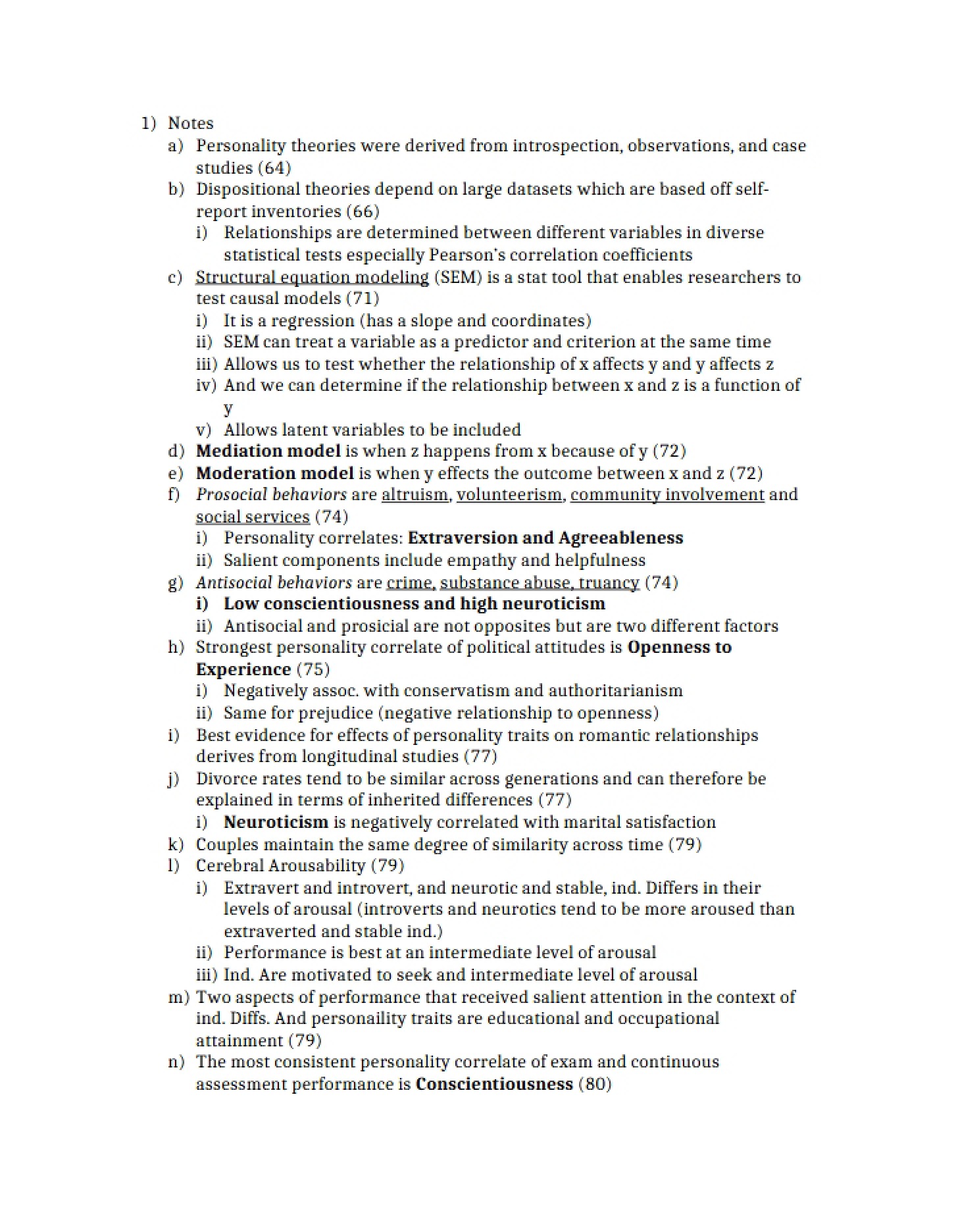
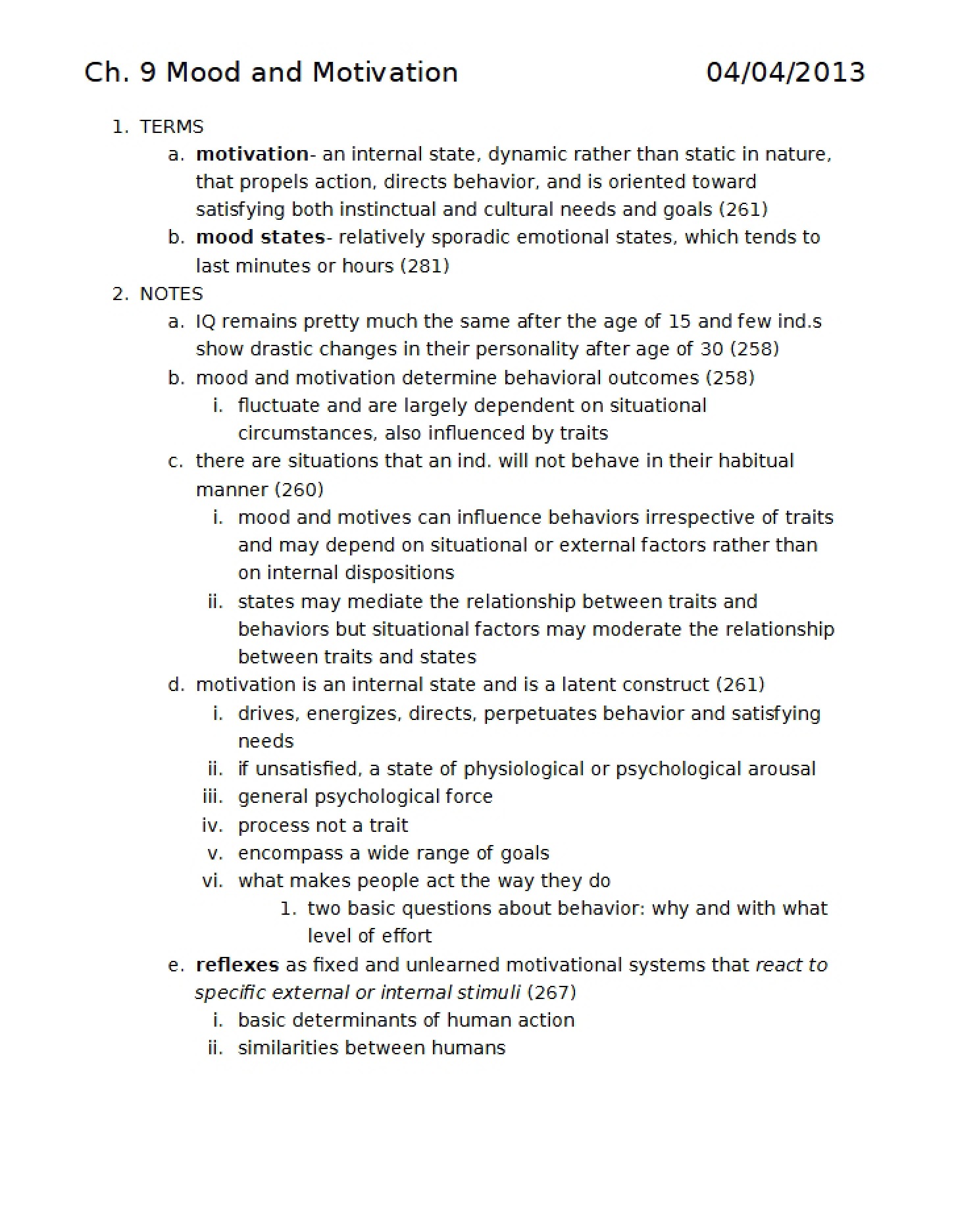
These are lecture notes from PSY 3135: Introduction to Individual Differences at the University of Minnesota Twin Cities. The notes cover foundational concepts within the field of differential psychology, exploring the core ideas behind understanding why people are different from one another. It delves into the theoretical underpinnings of individual variation, touching upon the interplay of inherited characteristics and environmental influences. The material also introduces key areas of study within the discipline, including intelligence, creativity, personality, leadership, and interests.
Why This Document Matters
This resource is ideal for students enrolled in introductory individual differences courses, or those seeking a foundational understanding of the psychological principles governing human variation. It’s particularly helpful for clarifying complex terminology and providing a structured overview of the topics typically covered in lectures. Use these notes to supplement your textbook readings, prepare for class discussions, and build a strong base for more advanced study in areas like personality psychology, behavioral genetics, and cognitive psychology. Students who find themselves needing a concise recap of lecture material will find this especially useful.
Common Limitations or Challenges
These notes represent a summary of lecture content and are not a substitute for attending class or completing assigned readings. They do not include detailed explanations of research methodologies, statistical analyses, or in-depth case studies. The notes also do not offer practice questions or self-assessment tools to test your understanding of the material. Access to the full document is required for a complete and nuanced understanding of the concepts presented.
What This Document Provides
* Definitions of key terms related to individual differences.
* An overview of the central aims and scope of differential psychology.
* Introductions to core concepts like traits, taxonomy, and heritability.
* Discussion of the nature versus nurture debate.
* Initial exploration of areas such as intelligence, creativity, and leadership.
* Mentions of influential figures in the early development of the field.
* Brief insights into the measurement of individual differences.