What This Document Is
This is a lab exercise designed to introduce fundamental concepts in Java programming. Specifically, it focuses on the initial stages of program creation – from writing source code to executing a simple Java application. It’s geared towards students beginning their journey into the world of programming and aims to build a practical foundation in the core processes involved. The exercise emphasizes a hands-on approach, requiring interaction with a command-line interface.
Why This Document Matters
This resource is invaluable for students enrolled in an introductory programming course, particularly those using Java as their primary language. It’s most beneficial when you’re first learning to translate programming concepts into actual code and need to understand the complete workflow – editing, compiling, and running. It’s ideal for reinforcing classroom learning with practical application and troubleshooting common beginner errors. Students who successfully work through this exercise will gain confidence in their ability to independently develop and execute basic Java programs.
Common Limitations or Challenges
This lab exercise concentrates on the foundational aspects of Java and doesn’t delve into advanced programming techniques, complex data structures, or object-oriented design principles. It assumes a basic familiarity with using a computer and navigating a file system. The exercise focuses on a specific development environment and may require adjustments when used with different Integrated Development Environments (IDEs). It also doesn’t provide extensive error explanations; students are expected to actively debug and resolve issues.
What This Document Provides
* A series of guided exercises designed to build proficiency in creating Java source files.
* Instructions for utilizing command-line tools to compile and execute Java programs.
* Opportunities to identify and correct common errors encountered during the development process.
* Exploration of basic output methods for displaying information to the user.
* Practice in converting data types and obtaining user input.
* Several example programs to serve as starting points for experimentation and learning.
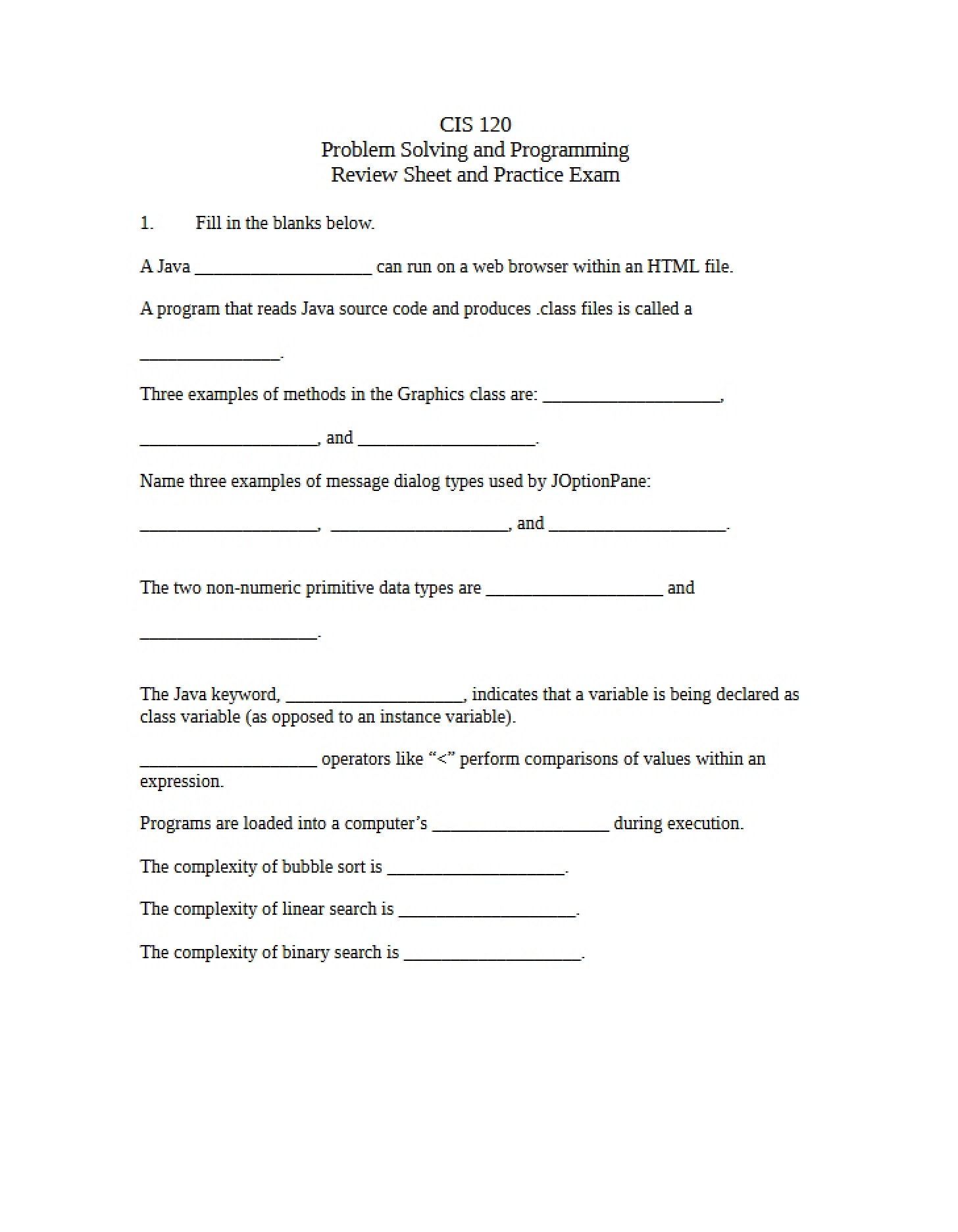
* Review questions designed to reinforce understanding of key concepts.