What This Document Is
This document contains detailed worked solutions for a prior exam in ESE 351: Signals and Systems, offered at Washington University in St. Louis. Specifically, it covers a Spring 2013 Test One, providing a comprehensive review of the assessed material. It’s designed to help students understand the expected approach and level of detail required for successful problem-solving in this course. The exam focuses on core concepts within signals and systems analysis.
Why This Document Matters
This resource is invaluable for students currently enrolled in or preparing for Signals and Systems courses. It’s particularly useful when reviewing past performance, identifying areas of weakness, and solidifying understanding of key principles. Students can benefit from studying these solutions alongside their own attempts at similar problems, gaining insight into effective methodologies. It’s best utilized *after* attempting the original exam or similar practice problems to maximize learning and avoid simply copying solutions.
Common Limitations or Challenges
This document focuses *solely* on the solutions to a specific past exam. It does not include explanations of fundamental concepts, derivations of formulas, or comprehensive course notes. It assumes a foundational understanding of signals and systems principles. Furthermore, while it demonstrates problem-solving techniques, it doesn’t offer personalized feedback on individual student work or address specific learning gaps. Accessing this document will not substitute for attending lectures, completing assignments, or actively engaging with course material.
What This Document Provides
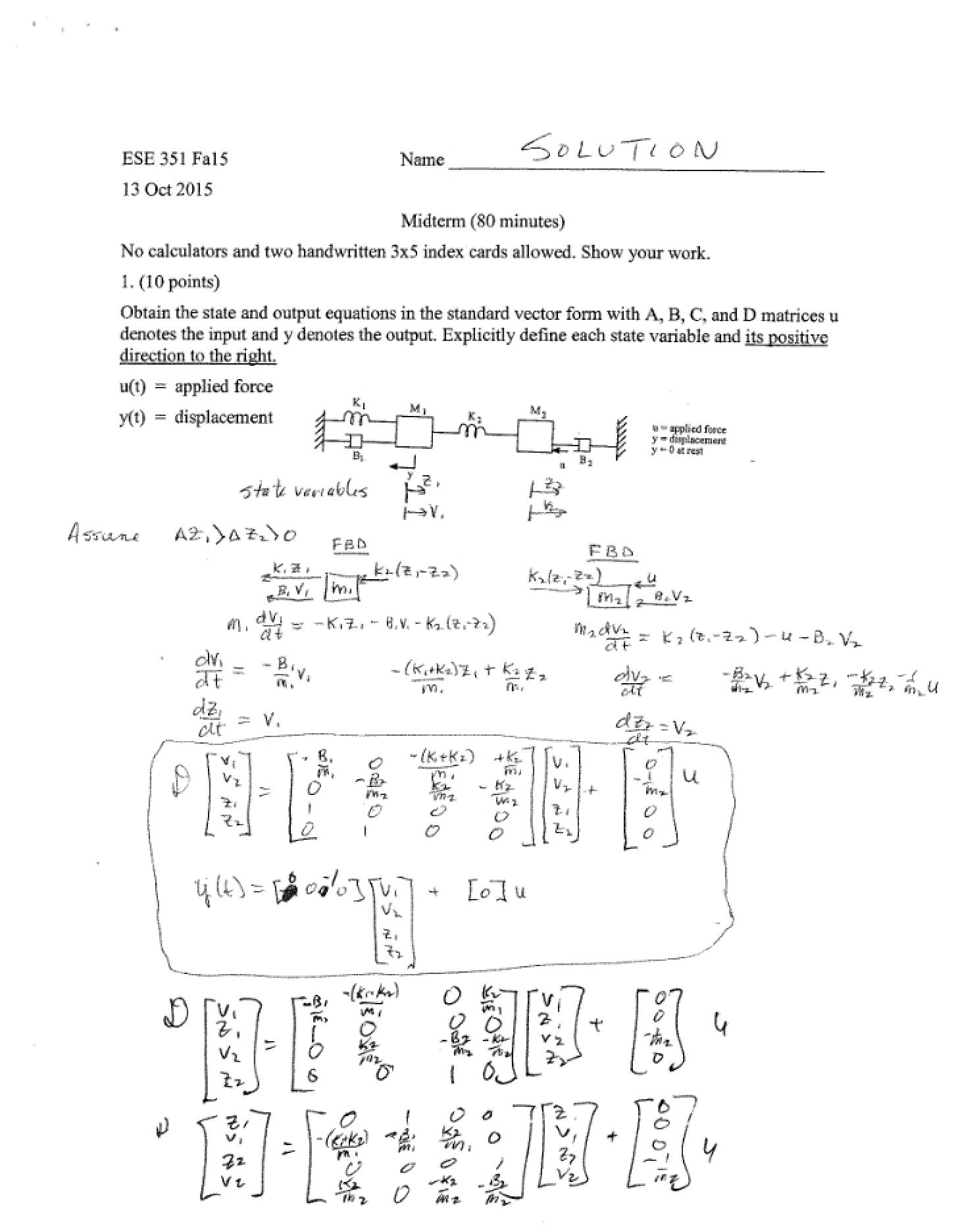
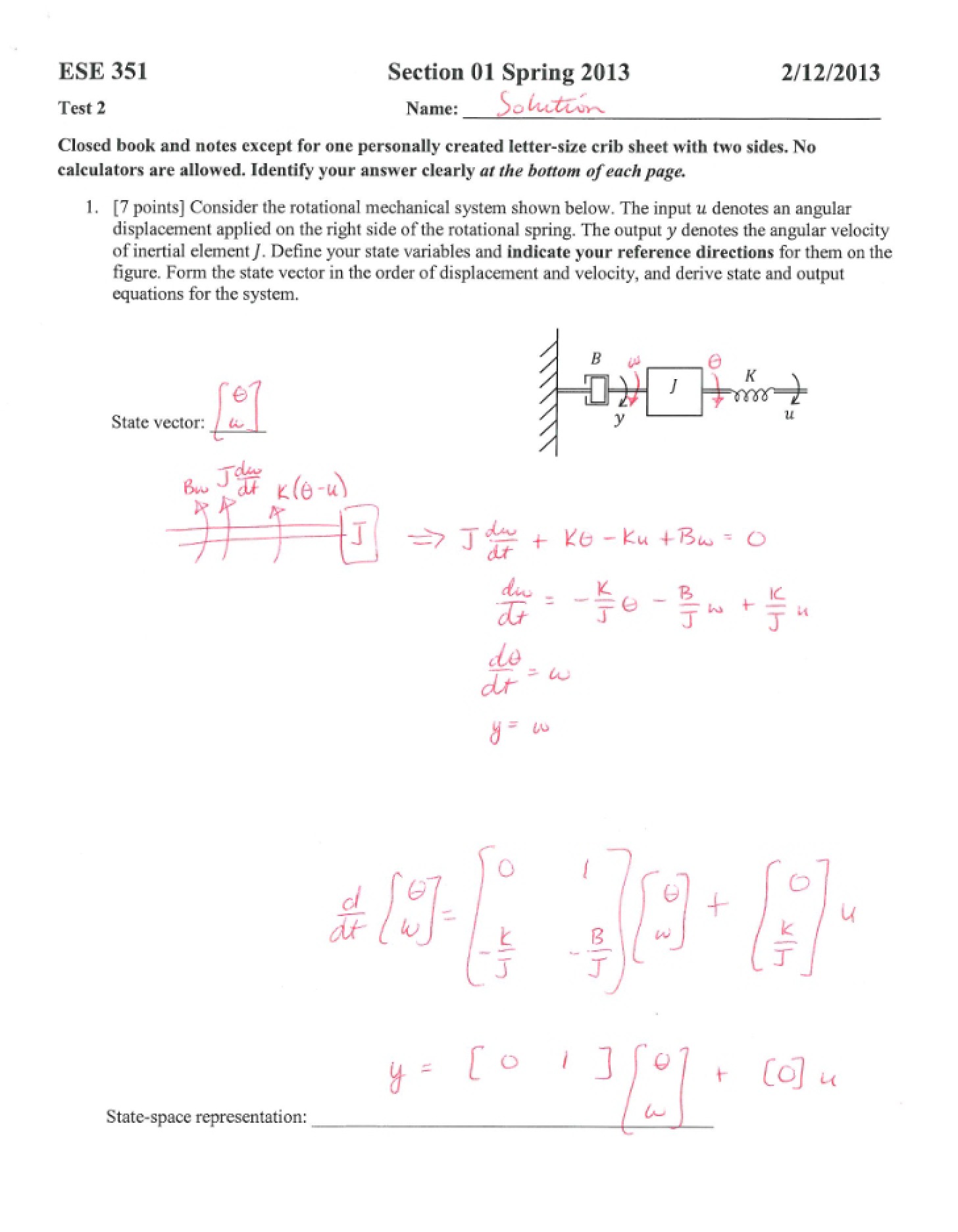
* Detailed solutions addressing problems related to circuit analysis and state-space representation.
* Worked examples demonstrating the application of time-domain methods to system analysis.
* Solutions involving the determination of system responses to specific inputs using convolution.
* Solutions for finding impulse responses of linear time-invariant systems described by differential and difference equations.
* Solutions demonstrating the calculation of state-transition matrices and zero-state responses for state-space models.
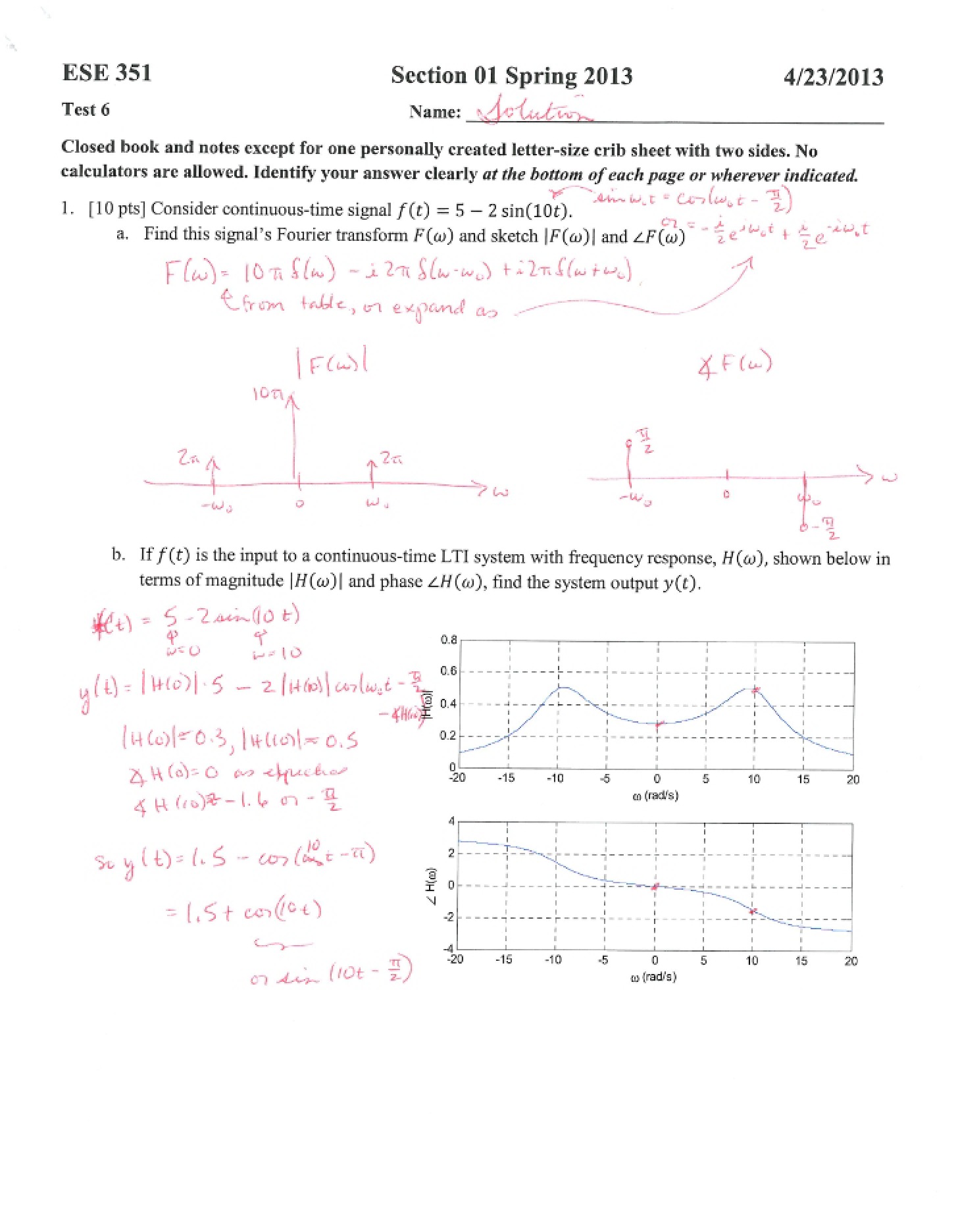
* Solutions addressing problems involving sinusoidal components and their representation.