What This Document Is
This document is a final exam for an introductory-level digital logic and computer design course (CSE 260) offered at Washington University in St. Louis. It assesses a student’s comprehensive understanding of the principles covered throughout the semester, focusing on both theoretical concepts and practical application within digital systems. The exam tests skills related to Boolean algebra, logic gate implementation, and sequential/combinational circuit design. It also includes questions relating to Hardware Description Language (HDL) coding.
Why This Document Matters
This exam is an invaluable resource for students currently enrolled in, or preparing to take, a similar digital logic course. It provides a realistic gauge of the types of questions and the level of difficulty they can expect on a final assessment. Studying this exam – once you’ve mastered the core course material – will help identify knowledge gaps and refine problem-solving strategies. It’s particularly useful for students aiming to solidify their understanding before a high-stakes evaluation or for those seeking to review key concepts.
Common Limitations or Challenges
This document *only* contains the exam questions themselves. It does not include solutions, explanations, or worked examples. Successfully utilizing this resource requires a strong foundation in digital logic principles and the ability to independently apply those principles to solve problems. It is not a substitute for attending lectures, completing assignments, or engaging with course materials. It assumes prior knowledge of topics like Karnaugh maps, VHDL, and 2’s complement arithmetic.
What This Document Provides
* A series of problems testing Boolean expression manipulation and simplification.
* Questions requiring the application of Karnaugh maps for logic minimization.
* Exercises involving the translation of VHDL code into logic diagrams.
* Problems focused on analyzing and optimizing 2’s complement circuits.
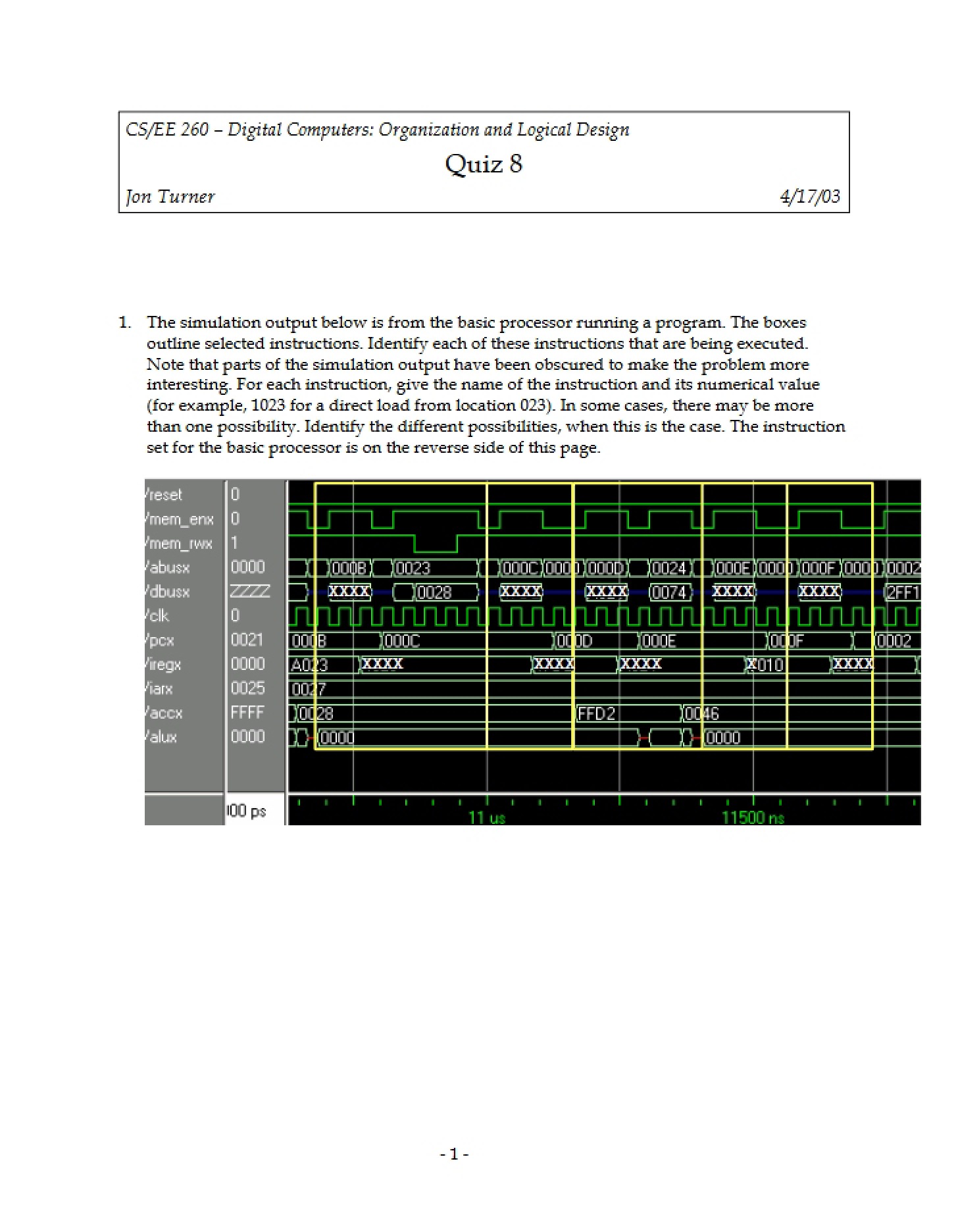
* Questions assessing understanding of sequential circuit timing and potential hazards.
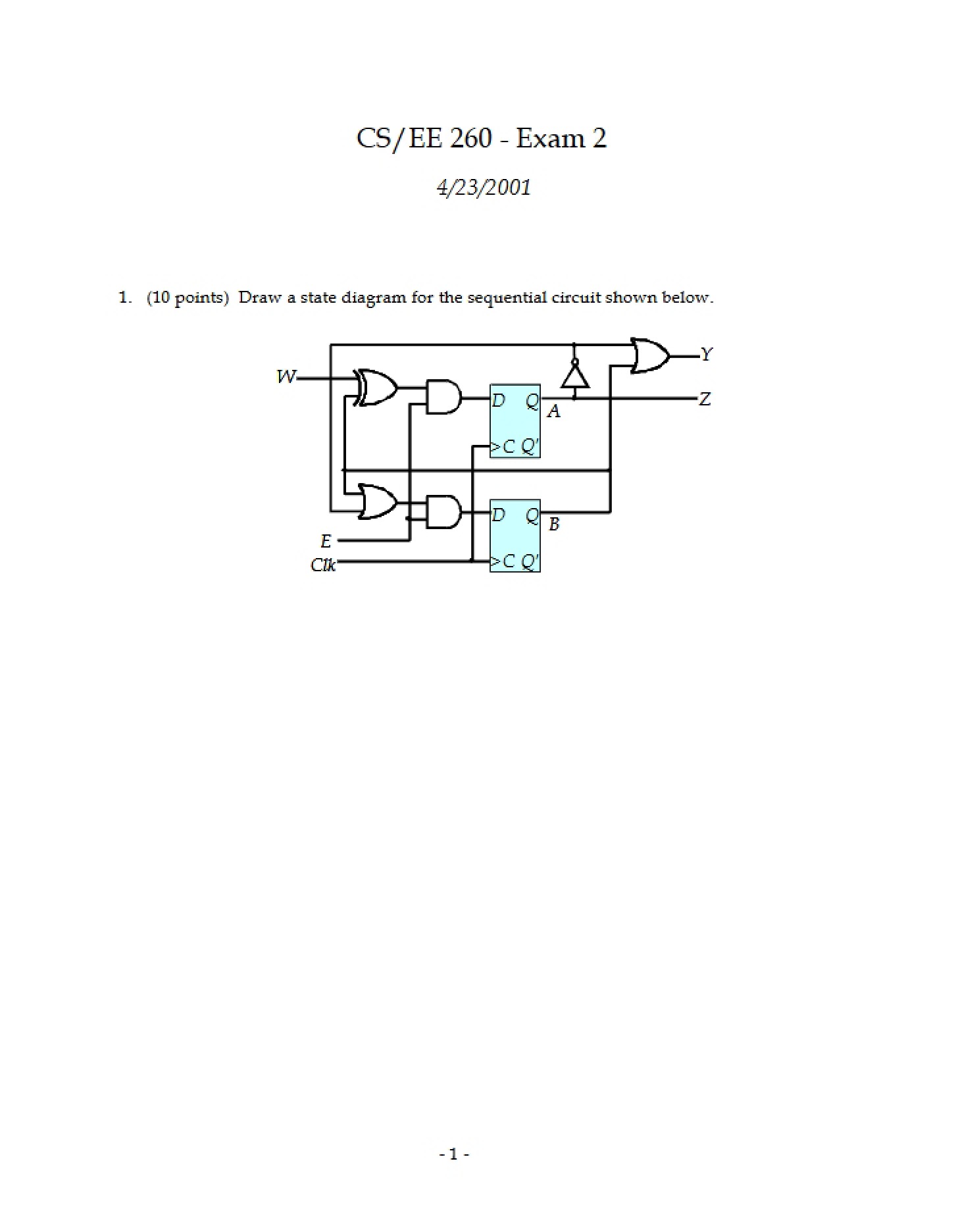
* A state table analysis and state diagram construction exercise.
* A VHDL coding challenge based on a specified state diagram.
* A problem related to parentheses checking using VHDL.