What This Document Is
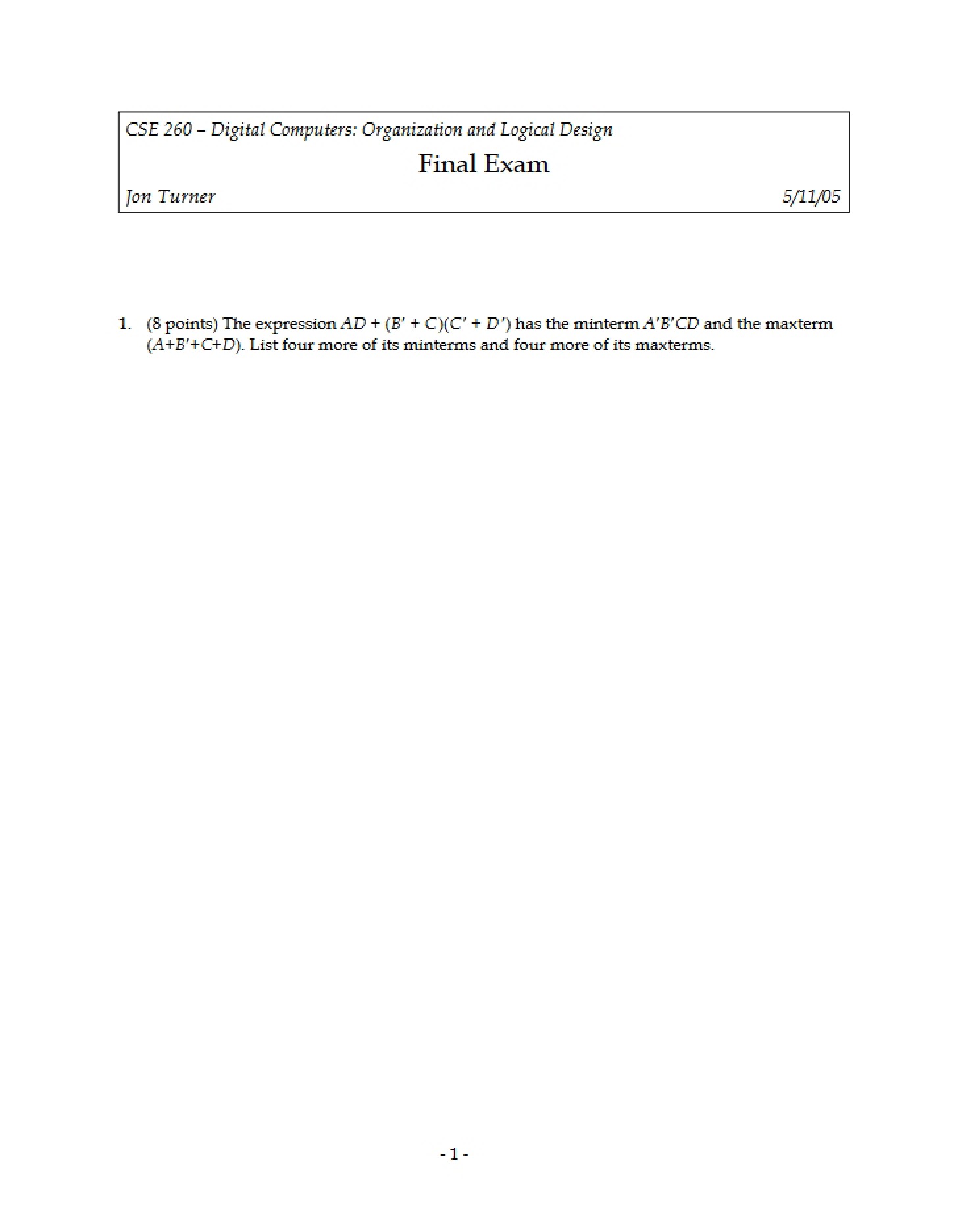
This is a midterm examination for CSE 260, a course covering Introduction to Digital Logic and Computer Design at Washington University in St. Louis. The exam assesses understanding of fundamental concepts related to the organization and logical design of digital computers. It focuses on translating theoretical knowledge into practical application through problem-solving and design exercises. The questions require a solid grasp of digital systems principles.
Why This Document Matters
This resource is invaluable for students currently enrolled in or preparing for a similar digital logic design course. It’s particularly useful for self-assessment, identifying knowledge gaps, and practicing exam-style questions. Working through problems similar to those found here will build confidence and improve performance on graded assessments. It’s best utilized *after* completing relevant coursework and readings, as a way to solidify understanding and test preparedness. Students aiming for a strong foundation in computer architecture and hardware design will find this particularly beneficial.
Common Limitations or Challenges
This document represents a single assessment point within a larger course. It does not provide comprehensive instruction on the topics covered; rather, it expects a pre-existing understanding of the material. It also doesn’t include detailed explanations of the solutions – it’s designed to *test* knowledge, not teach it. Furthermore, the specific focus of this exam may not encompass the entirety of a typical digital logic course.
What This Document Provides
* Problems relating to processor simulation and instruction set interpretation.
* Questions requiring the design of transistor-level logic gates.
* Exercises focused on analyzing and designing combinational logic circuits using Look-Up Tables (LUTs).
* Tasks involving the translation of VHDL code into circuit diagrams and vice versa.
* Challenges centered around state machine design and implementation for specific digital systems.
* A problem focused on pulse detection and state diagram completion.
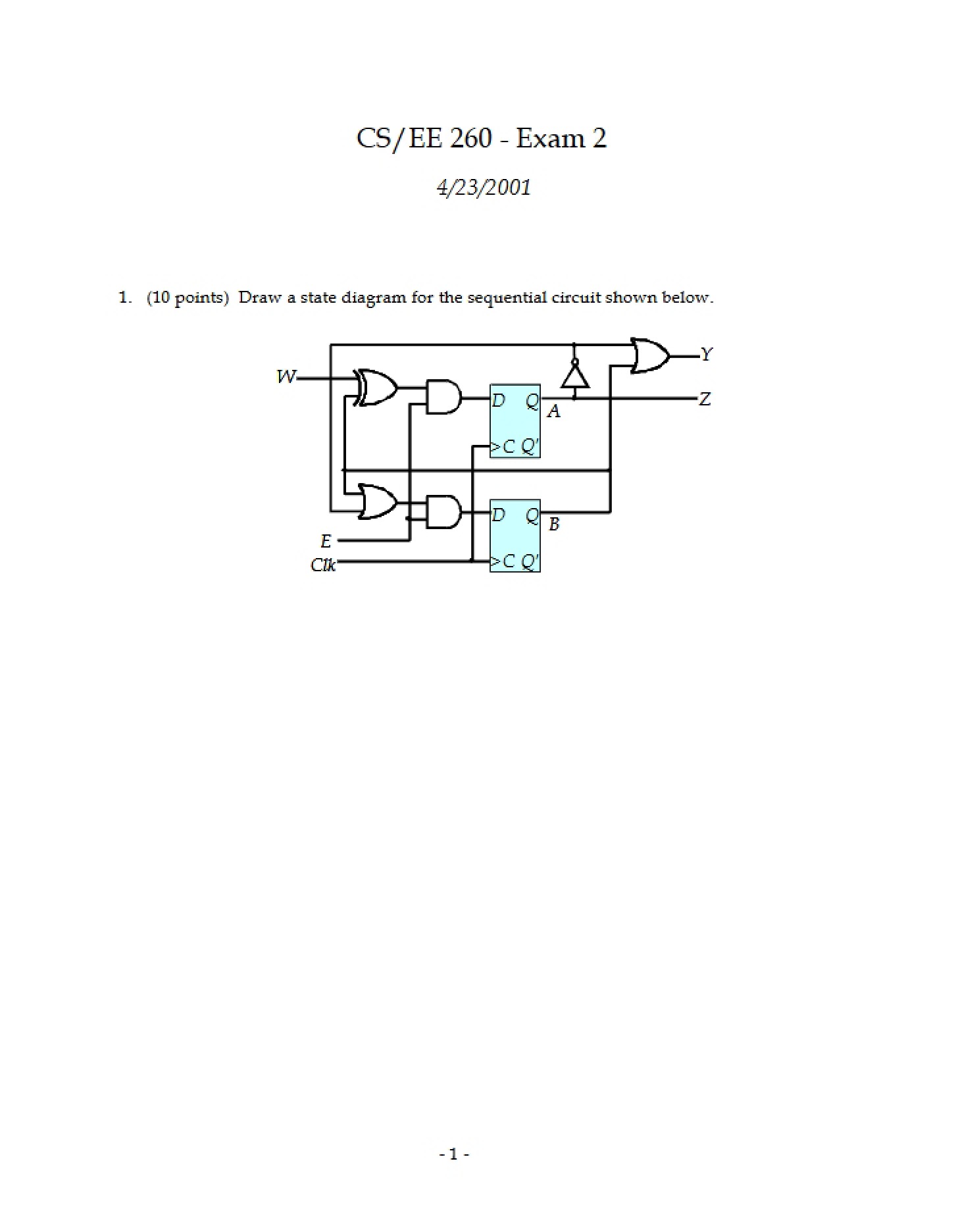
* Questions relating to sequential circuit analysis.