What This Document Is
This is a quiz focused on core principles within a Digital Logic and Computer Design course (CSE 260 at Washington University in St. Louis). Specifically, it assesses understanding of sequential circuit analysis and timing considerations in digital systems. The quiz format indicates an evaluative approach, testing the application of learned concepts rather than presenting new material. It builds upon foundational knowledge of logic gates, flip-flops, and state machines.
Why This Document Matters
Students enrolled in an introductory digital logic course, or those preparing for more advanced computer architecture studies, will find this quiz a valuable self-assessment tool. It’s particularly useful for identifying areas where your understanding of sequential circuit behavior and timing analysis needs strengthening. Working through problems similar to those presented here – *after* mastering the core concepts – is crucial for building confidence and achieving success on formal assessments. This resource is best utilized *after* completing related coursework and practice problems.
Common Limitations or Challenges
This quiz does not provide detailed explanations of the underlying concepts. It assumes you already have a solid grasp of sequential circuit design, state equations, setup and hold time, and propagation delays. It will not teach you the fundamentals; instead, it tests your ability to *apply* those fundamentals to specific circuit scenarios. Detailed step-by-step solutions or comprehensive theoretical background are not included within this resource.
What This Document Provides
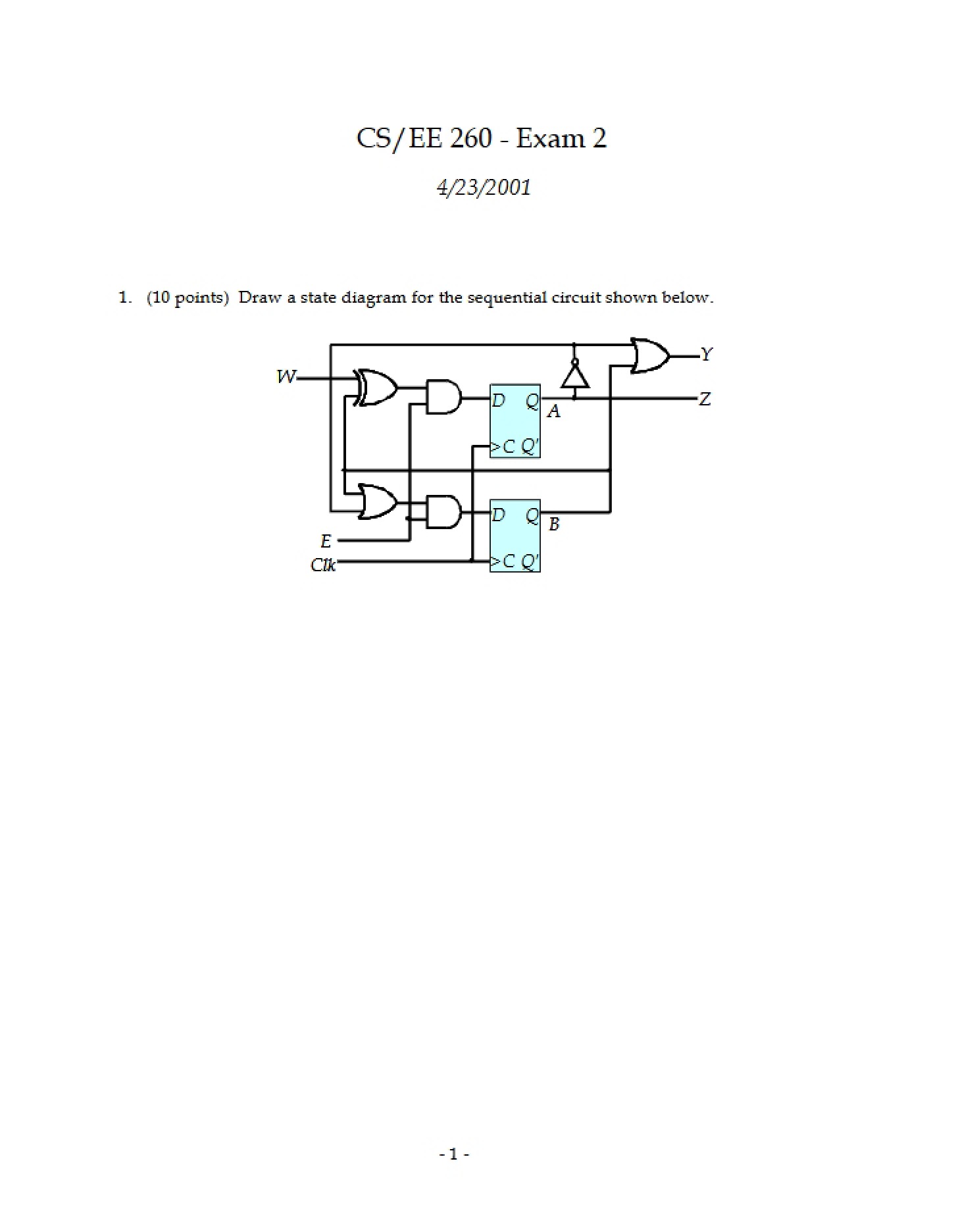
* Problems focused on determining the output and next state of sequential circuits.
* Scenarios requiring analysis of potential timing violations (setup and hold time).
* A practical exercise in calculating the minimum clock period for reliable circuit operation.
* Questions designed to assess understanding of the impact of gate delays and clock skew on circuit timing.
* Application of concepts related to flip-flop behavior and internal circuit timing.