What This Document Is
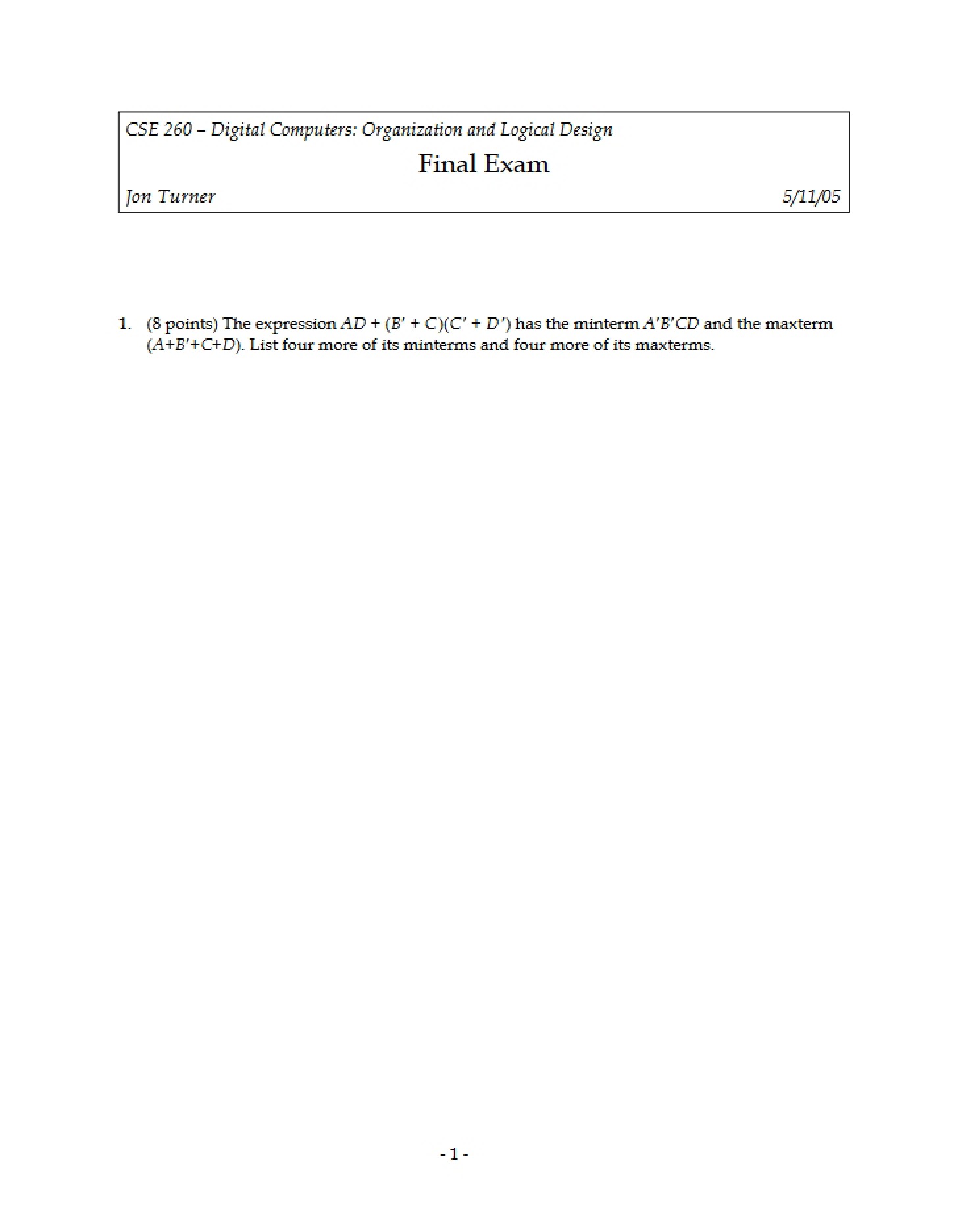
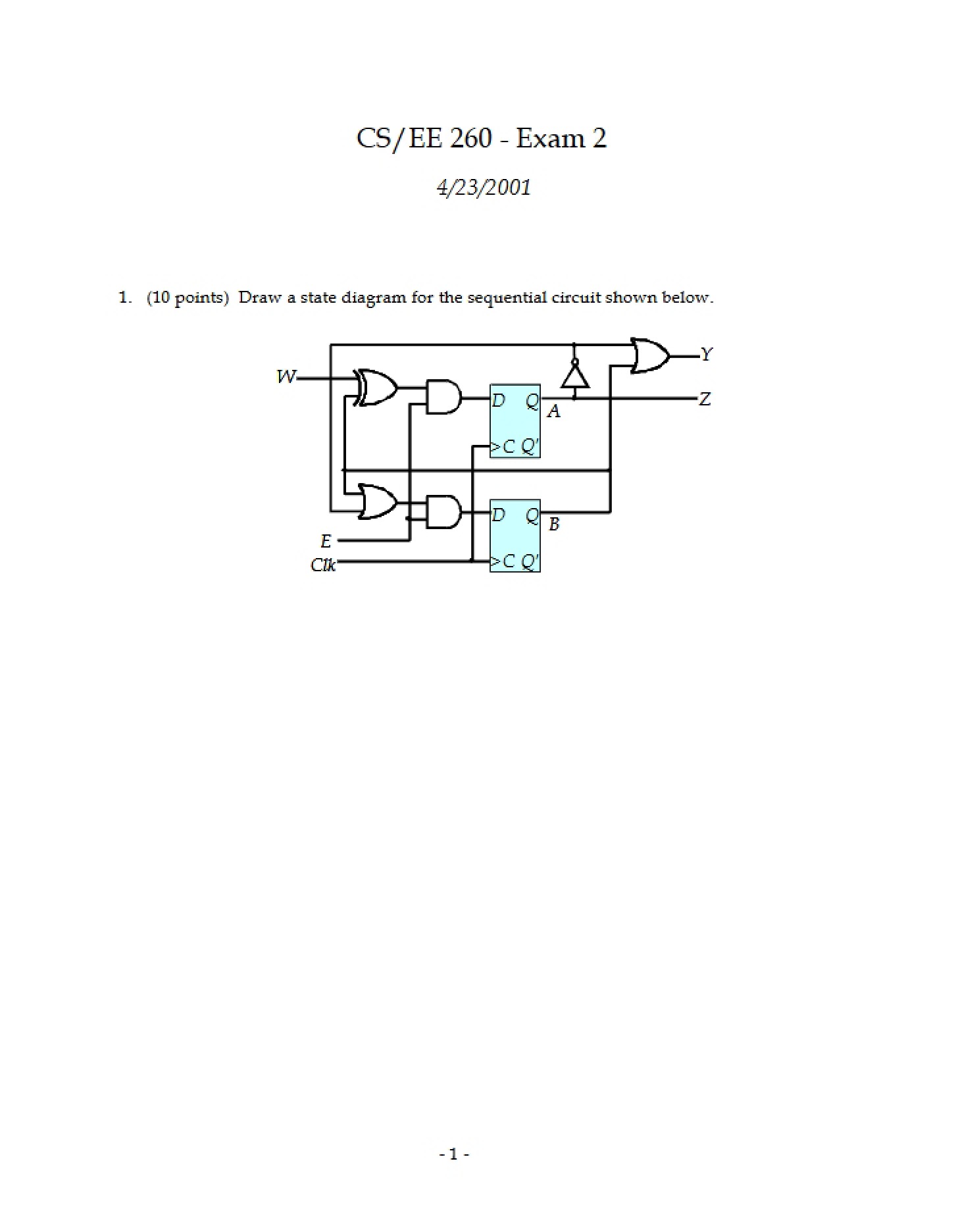
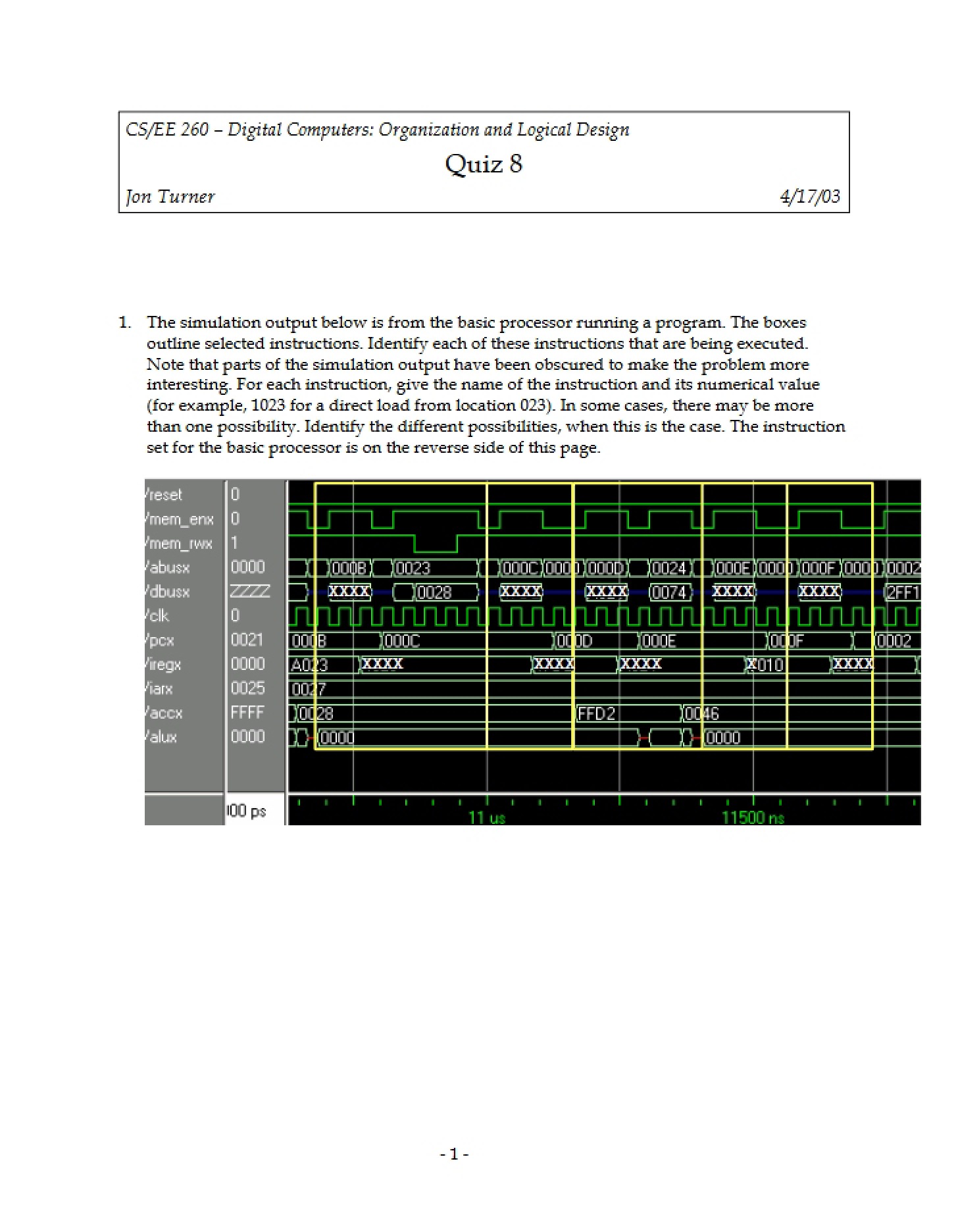
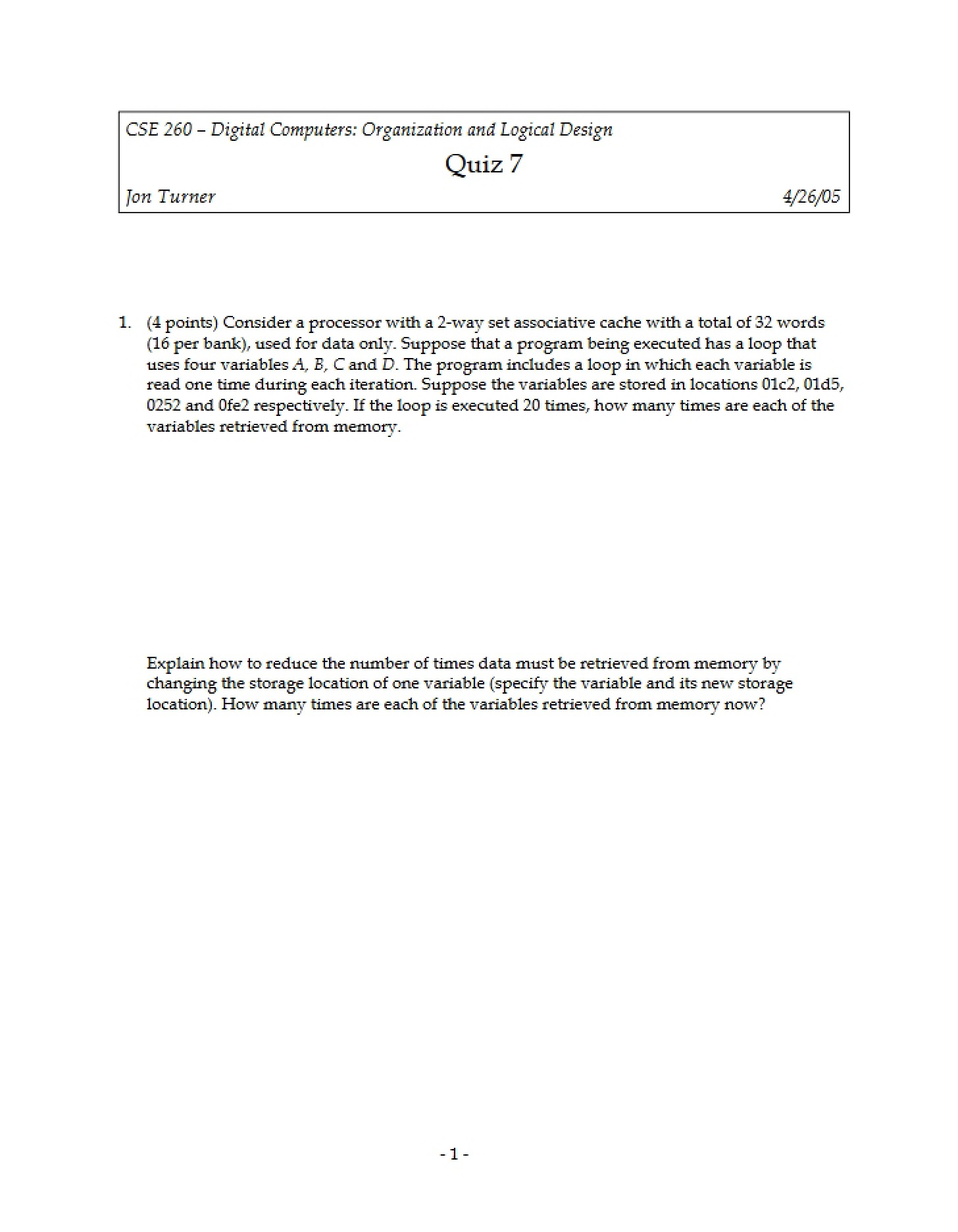
This is a quiz designed to assess your understanding of fundamental concepts in digital logic and computer design, specifically within the context of the CSE 260 course at Washington University in St. Louis. It focuses on translating Boolean expressions into digital circuits and interpreting processor behavior based on simulation outputs. The quiz tests practical application of theoretical knowledge covered in lectures and course materials. It’s structured to evaluate your ability to connect abstract logic principles to concrete implementations.
Why This Document Matters
This quiz is an invaluable resource for students actively learning digital logic and computer organization. It’s particularly helpful for self-assessment – identifying areas where your understanding is strong and pinpointing concepts needing further review. Working through problems similar to those presented here will significantly improve your performance on graded assessments. It’s best utilized *after* you’ve engaged with the core course materials (lectures, readings) and are looking for a way to solidify your knowledge and test your problem-solving skills.
Common Limitations or Challenges
This quiz does *not* provide detailed explanations of the underlying concepts. It assumes you have a foundational understanding of Boolean algebra, logic gates, and basic processor architecture. It also doesn’t offer step-by-step solutions or worked examples; it’s designed to challenge you to apply your knowledge independently. Furthermore, it represents a snapshot of specific topics covered within the course and doesn’t encompass the entirety of the subject matter.
What This Document Provides
* Problems requiring the design of digital circuits from logical expressions.
* Analysis of processor simulation outputs to identify executed instructions.
* A reference table of instruction codes and their corresponding operations.
* Questions testing the ability to interpret processor state based on signal values.
* An opportunity to practice applying concepts related to logic simplification (though direct simplification isn’t required for one problem).